
S&P 500 and Nasdaq futures down: oil price rises after Trump ‘no’
The futures on Wall Street turn red after Trump referred a peace proposal from Iran to the trash. For example, oil once again throws a spanner in the works.
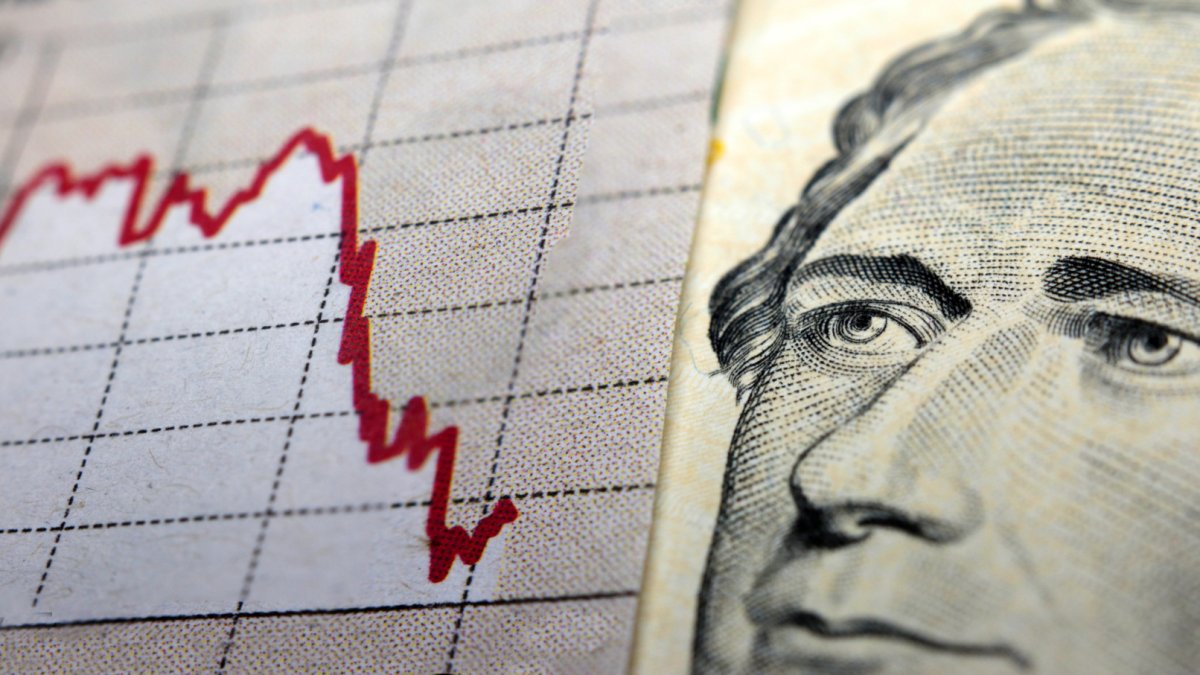
Wall Street has started the new stock market week with headwinds. Futures on the S&P 500 and Dow Jones are down about 0.4 percent, while Nasdaq-100 futures are down about 0.7 percent.
The main cause is again the oil price. Brent rises again to about $105.60 a barrel on Monday morning after Donald Trump rejected the latest Iranian proposal for a deal.
This means that the most important uncertainty for financial markets remains for the time being.
This is striking, because stocks performed surprisingly well last week. The S&P 500 gained 1.2 percent and the Nasdaq Composite even rose 2.1 percent. For both indices, it was the best week since the beginning of August.
Technology shares in particular pulled the cart. Meta rose nearly 13 percent thanks to enthusiasm around AI assistant Muse. Microsoft won over 4 percent, while Apple and Nvidia also finished higher.
This happened while US bond yields were rising sharply. In doing so, the market once again showed a willingness to accept high interest rates as long as earnings expectations for technology remain strong enough.
But that balance remains fragile. Higher oil prices increase inflationary pressures and make it harder for central banks to keep interest rates low. We are now clearly seeing this in the bond market.
The US 10-year rate reached its highest level since 2007 last week, while the 30-year rate rose to levels not seen since 2004. The 2-year interest rate also rose by about 17 basis points last week.
As long as oil remains above $100, that pressure can continue.
That's why this week is important. PCE inflation, the Federal Reserve's favorite measure of inflation, will appear on Wednesday.
New figures on the US industry will follow on Thursday and we will receive the official job report for September on Friday. These figures can determine whether the market will price in even more interest rate hikes.
Strong economic data and persistent inflation could again cause higher interest rates. Weaker figures can provide some relief.
A mixed signal is also coming from China. Industrial profits rose 4.2 percent in August compared to a year earlier, but that was the weakest monthly growth of 2026.
Over the first eight months, profits are still 15.7 percent higher, thanks in part to strong demand for chips and computer equipment from AI.
This marks the start of a week on Wall Street in which three factors are central. Oil, inflation and interest rates.
The technology sector remains strong, but as long as oil is above $100 and bond yields continue to rise, the fundamentals underneath that rally remain fragile.