
Oil Prices Continue to Rise: U.S. Rejects Proposal to Open the Strait of Hormuz
Brent crude rose nearly 6 percent in two days, recouping half of its recent decline. As a result, concerns are mounting again in the markets.
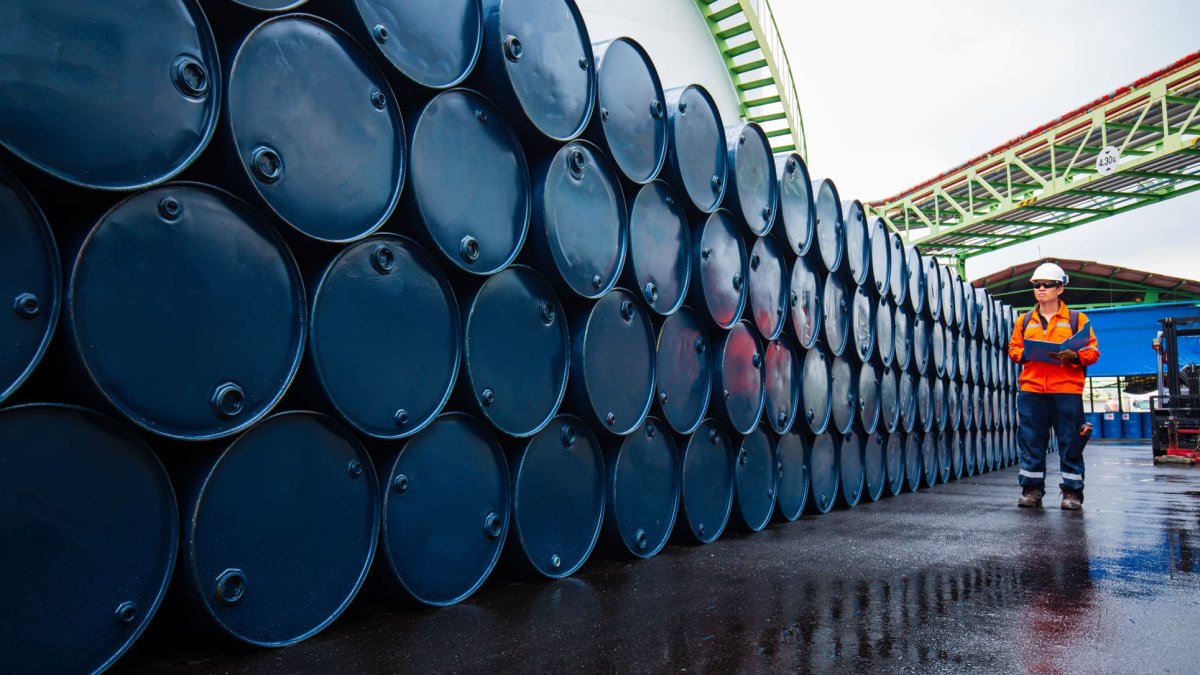
The markets are once again in the red today, partly due to rising oil prices. For the second day in a row, the world economy’s most important commodity is becoming more expensive, fueling inflation concerns.
The trigger is the U.S. rejection of an offer from Iran to reopen the Strait of Hormuz.
Brent crude, the international benchmark for crude oil prices, closed 3.87 percent higher yesterday. And today, it has risen by another 2 percent.
Over the course of five days, the oil price had fallen by 10 percent as fears of actual shortages subsided, especially now that Saudi Arabia is repairing a pipeline that bypasses the Strait of Hormuz. Now, half of that decline has already been erased, and the price appears to be heading back toward its peak during the war.
Higher oil prices fuel inflation because energy costs are passed on to transportation, manufacturing, and ultimately retail prices. As a result, we’re also seeing long-term interest rates rise to historic levels, which is causing a great deal of nervousness in the financial markets. This is due to the country’s massive national debt and the tightening financial conditions it triggers.
The reversal in the oil price followed talks at the United Nations (UN) General Assembly in New York. It was the first round of negotiations between the two countries since mid-June.
U.S. envoys Steve Witkoff and Jared Kushner were in one room, while Iranian Foreign Minister Abbas Araghchi was in the other. Mediators from Qatar shuttled back and forth.
A senior Iranian official told Reuters that Iran could reopen the strait within seven days—provided the United States eases military pressure and lifts its blockade of Iranian ports.
Afterward, U.S. President Donald Trump described it as “a very good meeting, a very productive meeting.” But behind the scenes, the Americans dismissed the offer, according to the Israeli broadcaster Channel 12.
According to U.S. negotiators, Iran has no control whatsoever over the strait. Trump also rejected the broader Iranian peace proposal: According to him, Tehran is demanding concessions that he cannot accept.
Tehran has issued an ultimatum in response. According to Channel 12, Washington was given one week to meet the Iranian demands.
The state news agency IRIB lists those demands as: “the immediate lifting of the [U.S.] naval blockade, the prompt payment of all frozen Iranian assets, and an end to the war on all resistance fronts.”
By the latter, Iran refers to the armed groups it supports in the region, such as Hezbollah in Lebanon.
That week ends around September 29. Mediators are now waiting for Trump’s decision on whether to continue the talks or take a different course.
If he continues the talks, the risk premium could just as quickly disappear from the oil price. If he opts for escalation, a return to the September 11 peak looms.