
S&P 500 and Nasdaq futures in the green; oil down more than 2 percent
Wall Street is starting the new trading week in positive territory. With this rise, the Nasdaq 100 is even approaching an all-time high.
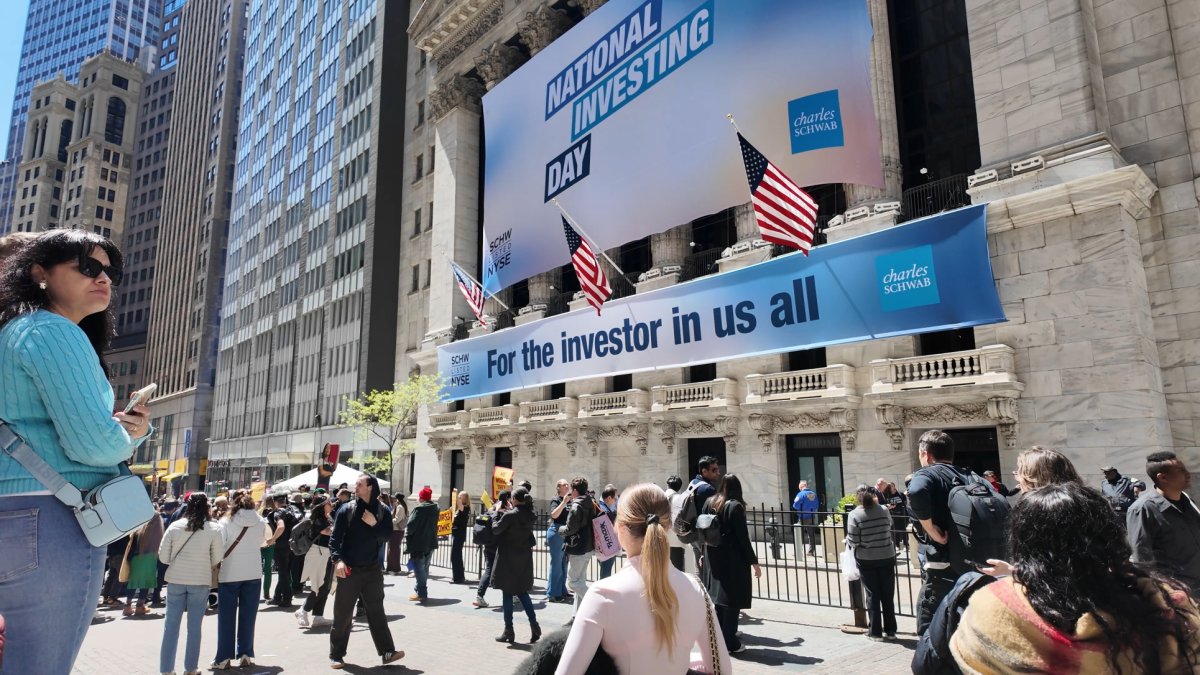
U.S. stock futures are edging higher on Monday morning, after the Dow Jones posted its third consecutive week of losses last week.
S&P 500 futures are up 0.42 percent, Nasdaq 100 futures are up 0.58 percent, and Dow futures are up 0.36 percent. This brings the Nasdaq back above the 30,000-point mark and brings it closer to its all-time high.
This recovery comes despite a tense geopolitical backdrop.
Over the weekend, Iran-backed Houthis reported that they had attacked Saudi Arabia with missiles and drones. At the same time, the U.S. State Department warned Americans to reconsider travel to the Middle East, while the United States and Iran threaten to launch new attacks.
Despite this, we’re seeing no panic or fear on the stock market today—just gains for now.
Last week, the Dow Jones lost 1.7 percent. That was its worst week since March. The S&P 500 remained virtually flat, down 0.1 percent. Only the Nasdaq managed to rise.
The tech index gained 0.7 percent, once again thanks to the strength of AI-related stocks. This continues the same pattern. The broader market is struggling with interest rates, oil, and geopolitics, while technology continues to hold its ground.
That difference is significant. It shows that investors aren’t fleeing risk en masse, but are becoming more selective.
Notably, the price of oil fell on Monday morning. Brent dropped more than 2 percent to $101.72 per barrel. WTI fell 2.18 percent to $98.11.
This is because oil traders see that supply from the Middle East is holding up better than feared for the time being. According to analysts at JPMorgan, oil flows remain “surprisingly strong,” despite the disruption to the Saudi East-West pipeline.
This is important for the market. As long as oil continues to trade near $100, inflationary pressure will persist. But as long as the market does not see an acute disruption in oil supply, there remains room for relief.
Meanwhile, interest rates remain the major problem. Last week, the Federal Reserve raised interest rates for the first time in three years, as inflation remains stubborn and bond yields are high. The U.S. 10-year yield remains hovering near 5 percent.
As a result, the market remains trapped in the same triangle of oil, inflation, and interest rates.
LPL economist Jeffrey Roach summed it up well. The same geopolitical conflict that is driving up energy prices is also keeping the U.S. central bank on a tight rein and putting pressure on Chinese refineries.
That’s why the planned meeting between Donald Trump and Xi Jinping this week is particularly important. Topics on the table include import tariffs, critical raw materials, artificial intelligence, and broader economic issues.
The big question is whether geopolitical tensions can ease, or will they continue to push up oil prices, inflation, and interest rates? For now, Wall Street is rebounding. But as long as oil hovers around $100 and the 10-year yield stays around 5 percent, that calm remains fragile.