
US interest rates soar to highest level since 2007, S&P 500 and Nasdaq fall
US interest rates are at their highest level since 2007, the year before the crisis. Wall Street turns red.
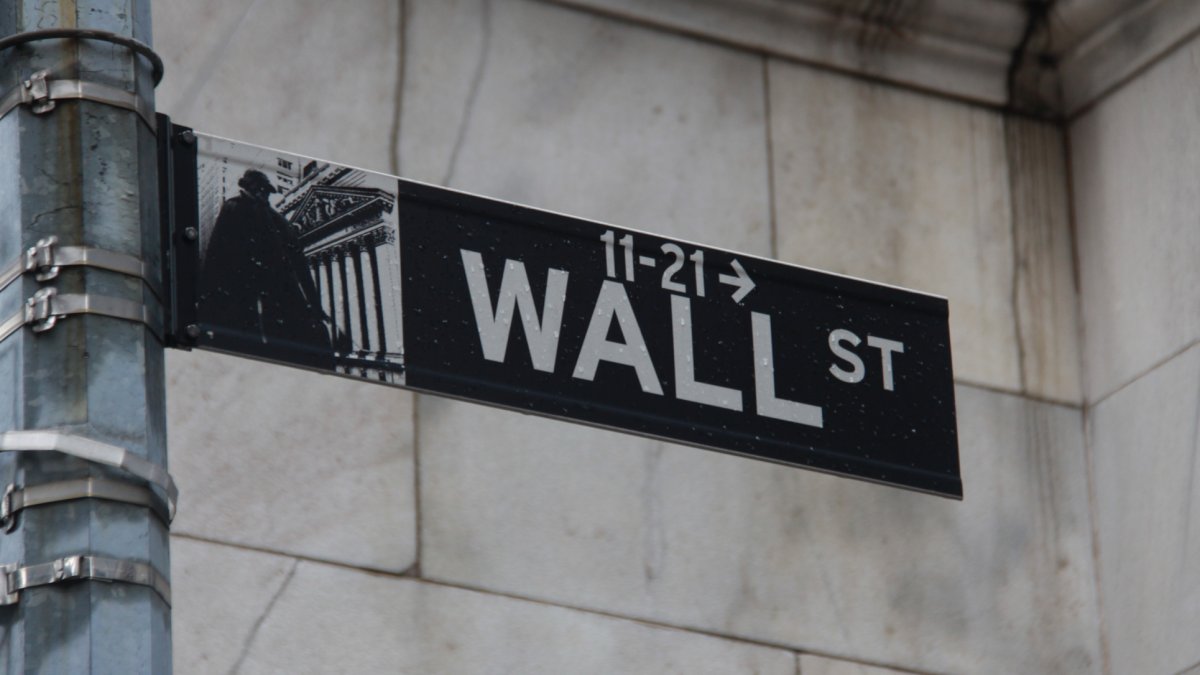
The calm on Wall Street was short-lived. The US 10-year interest rate shot up to 5.135 percent on Wednesday, the highest level since July 2007. At the same time, the 2-year interest rate also rose to 4.947 percent.
That was enough to put pressure on stocks again. The S&P 500 lost 0.8 percent and the Nasdaq Composite fell 1.1 percent. This ended four positive trading days in a row for the technology index.
Strikingly enough, the immediate reason for the rising interest rates was not weak economic data, but rather strong figures.
According to the latest PMI figures, the US industry and services sector showed that the economy is still growing strongly.
Normally, that's a good thing. But in today's market, strong economic growth also means that the US central bank has less reason to be cautious about rate hikes.
In addition, the figures point to persistent problems in the supply chains and higher fuel and transport costs. That could boost inflation again.
The futures market reacted immediately. Investors now see a more than 70 percent chance that the US central bank will raise interest rates again in October.
A week ago, that probability was still around 49 percent.
As a result, the market is beginning to prepare more and more clearly for a longer period of high interest rates. And that's especially bad news for growth stocks.
The higher the interest rate, the less attractive future profits are worth today. Especially technology companies with high valuations are sensitive to this.
The oil price is also not helping. Brent rose nearly 4 percent to $103.08 per barrel on Wednesday. WTI won 1.8 percent.
This brings back exactly the problem that investors seemed to leave behind earlier this week.
Higher oil prices create more inflationary pressure, while at the same time the economy remains strong enough to tolerate further rate hikes. That's almost the trickiest combination for stocks.
The interest rate increase is not limited to the United States. The Japanese 10-year interest rate rose to 3.062 percent on Thursday, the highest level in thirty years. The 30-year interest rate rose to 4.147 percent.
This makes it increasingly clear that the global price of capital is structurally higher than investors were used to for years.
Nevertheless, capital remains available for companies with a convincing story. SoftBank rose more than 7 percent in Japan after issuing $11.1 billion in bonds.
The money will be used, among other things, to finance the last $10 billion of a $30 billion investment in OpenAI. That sums up the current market well.
Capital has become more expensive. But for the AI hype, it remains available for the time being. The only question is how much further interest rate hike the market can tolerate before that too begins to change.