
S&P 500 and Nasdaq Rebound After First Interest Rate Hike in Years
Following last night’s much-discussed interest rate hike, we’re seeing U.S. stock futures recover cautiously. Why is the market rising?
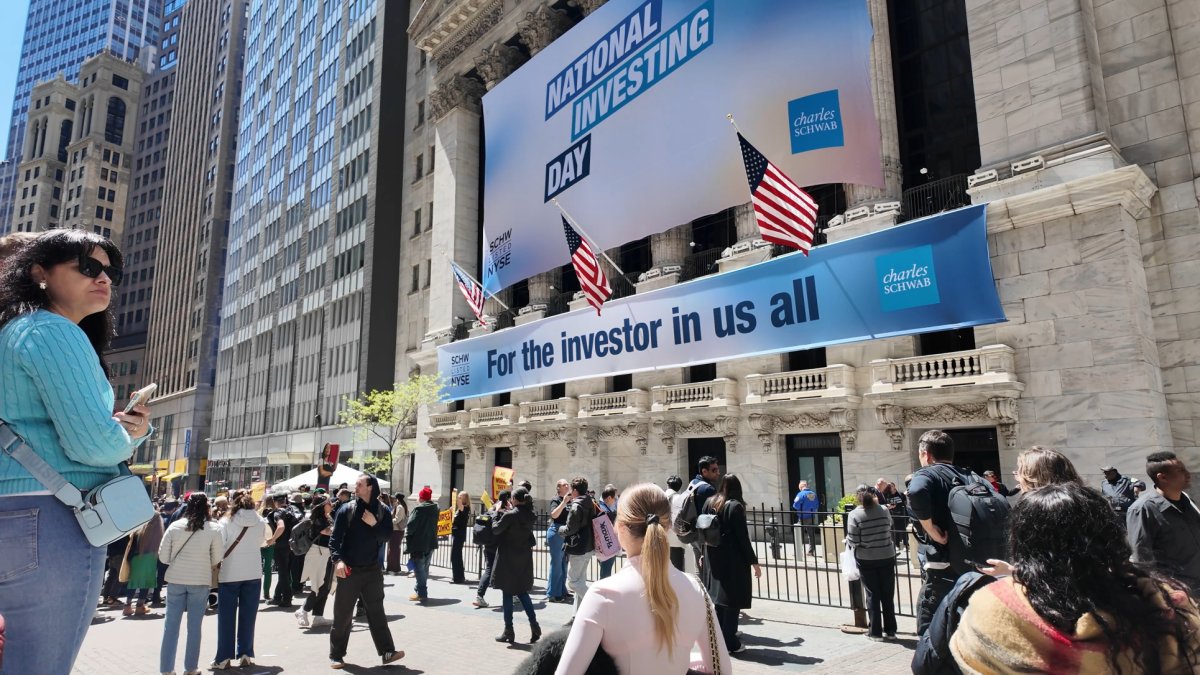
Wall Street is trying to recover Thursday from the sharp losses of the previous day. U.S. stock futures are trading significantly higher after the Federal Reserve (Fed) raised interest rates on Wednesday for the first time in three years.
Dow futures rose 306 points on Thursday morning. S&P 500 futures gained 0.57 percent, and Nasdaq 100 futures climbed 0.65 percent.
This marks a partial return of confidence following a weak trading day. The Dow Jones lost more than 630 points on Wednesday, a decline of 1.2 percent. The S&P 500 fell 0.5 percent, and the Nasdaq Composite closed slightly lower.
The rate hike itself was largely expected. For investors, therefore, the focus is primarily on what comes next. The Fed raised interest rates by 0.25 percentage points to a range of 3.75 to 4.00 percent and left open the possibility of another hike later this year.
The rate hike itself was no surprise. The market had been anticipating it for days. The most important question, therefore, is not what the Fed did yesterday, but what comes next.
Fed Chairman Kevin Warsh stated that inflation is still too high. In doing so, he is leaving the door open for another rate hike later this year.
That’s making investors nervous. The market can handle a one-time hike. But if this is the start of a new tightening cycle, the picture changes.
Higher interest rates affect consumers, businesses, and governments. Loans become more expensive, valuations come under pressure, and economic growth becomes more vulnerable.
On top of that, oil remains a major source of uncertainty. Inflation in the United States came in at 3.4 percent in August. At the same time, oil is still trading above $100 per barrel.
Brent fell slightly to $105.81 on Thursday morning, and WTI dropped to $102.22. This was due to a slight easing of concerns about supply issues.
Saudi Arabia is reportedly making additional oil available to Asian refineries via ship-to-ship transfers off the coast of Oman. The country is attempting to limit the impact of attacks on the East-West pipeline.
But as long as oil remains above $100, inflationary pressure will persist. And as long as inflationary pressure persists, it will be difficult for the Fed to truly ease its monetary policy.