
Tech takes a hard hit after disappointing OpenAI sales, but stocks are already recovering
Wall Street now has to deal with lower turnover for OpenAI, still sky-high bond yields and a high oil price.
US equity futures were slightly higher on Friday after a strong sell-off in technology stocks.
The main reason for this decline was OpenAI. The company reported that annualized revenue was around $50 billion at the end of September. That was clearly lower than the approximately 68 billion dollars that investors previously assumed.
This setback mainly affected companies that are strongly linked to the AI investment cycle. CoreWeave lost more than 7 percent, while Oracle, Intel, and Super Micro Computer fell about 5 percent. AMD lost nearly 4 percent and Nvidia nearly 3 percent.
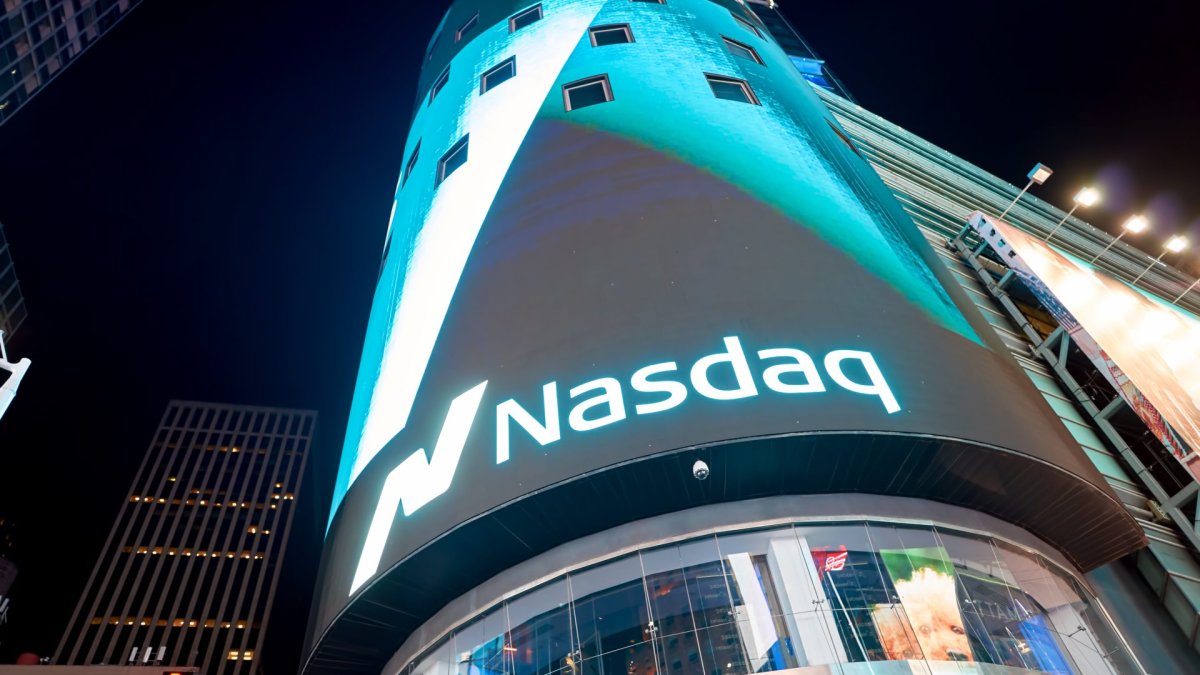
The Nasdaq Composite fell more than 1 percent, the largest daily decline since mid-August.
Meanwhile, the bond market continues to create headwinds. The US 10-year interest rate is around 5.22 percent, while the 30-year interest rate is around 5.61 percent. This keeps both interest rates close to the highest levels in decades.
The Swiss bank UBP therefore increased its estimated 10-year interest rate equilibrium level to 4.75 to 5.25 percent. This suggests that this high interest rate does not necessarily have to disappear quickly. UBP also expects Fed rate cuts to not likely start until the second half of 2027.
On the other hand, there was some positive news from the oil market. Brent dropped to $102.76 a barrel after Donald Trump said the United States would not attack Iran before the midterm elections.
That took part of the geopolitical risk premium out of the oil price. In addition, IEA emergency supplies and alternative export liaisons in Saudi Arabia help reduce pressure on global oil supplies.
The market is therefore in a difficult combination. On the one hand, corporate earnings remain strong and equity indices are close to record levels.
On the other hand, expectations around AI companies are so high that even very strong growth can be disappointing.
At the same time, interest rates above 5 percent remain a heavy brake on valuations. The main question is therefore no longer just whether AI companies are growing, but whether that growth is fast enough to justify the huge investments and high financing costs.