
Saudi Arabia exports almost the same amount of oil despite the war
Saudi Arabia keeps its oil exports high despite attacks in the Middle East. The increased supply eases the pressure on oil prices.
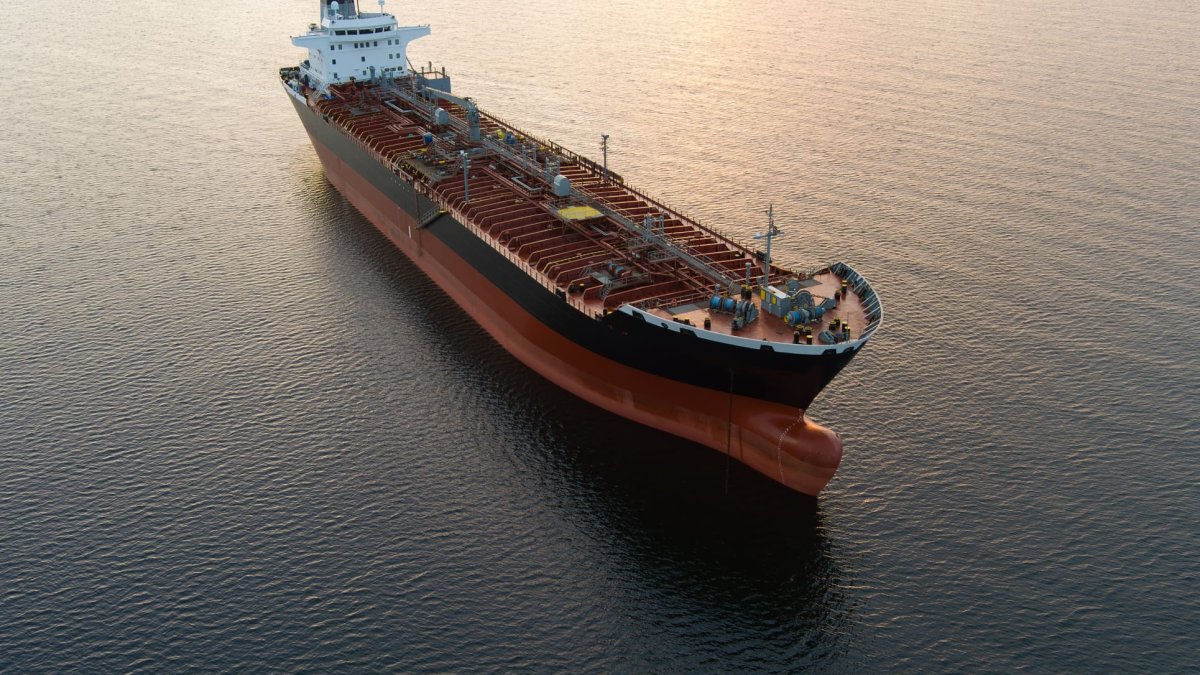
Saudi Arabia continues to export almost as much oil as it did before the war, despite continued attacks on oil installations and tankers in the Middle East. This is evident from new figures from shipping analysts.
Exports remain remarkably high, while tensions around the Strait of Hormuz and attacks by Houthi rebels have been disrupting the oil trade for months.
According to data from Vortexa, Saudi Arabia exported an average of 6.5 million barrels of oil per day so far in October. In September, this amounted to 6.6 million barrels.
Other research companies come up with different figures. Tankertrackers.com estimates exports at nearly 7 million barrels per day, comparable to pre-war levels.
The differences arise, among other things, because oil tankers increasingly switch off their automatic tracking systems. In doing so, they try to hide their location and reduce the risk of attacks.
This makes it more difficult for traders and investors to determine how much oil is actually shipped from the Middle East.
Still, the figures indicate that Saudi Arabia manages to continue to bring its oil largely to the global market, despite attacks by Houthi rebels from Yemen and reports of Iranian attacks on tankers in the Strait of Hormuz.
Saudi Arabia can continue to export its oil through two major routes: the Red Sea and the Persian Gulf. That gives the country more opportunities to ship oil, despite the ongoing attacks in the region.
Last month, Saudi Arabia had to shut down the important East-West pipeline after an attack. As a result, the country temporarily became more dependent on the Strait of Hormuz. The pipeline is now back in use and more oil can be shipped via the west coast.
According to figures from Vortexa, exports via the Red Sea, mainly from the port city of Yanbu, increased from 2.4 million barrels per day in September to 2.5 million in October. On the contrary, exports via the Persian Gulf fell slightly, from 4.2 million to four million barrels per day.
Oil company Saudi Aramco has now asked some Asian customers to pick up oil again in Yanbu from November. That would be the first time in three months. In recent times, these customers have ventured to an Egyptian port on the Mediterranean to avoid the dangerous route through the Red Sea.
European customers will also have more opportunities to purchase oil. According to Bloomberg, customers whose previous deliveries were cancelled are allowed to bid again on available oil loads.
The high oil exports are particularly important for Saudi Arabia, as the war also affects other parts of the economy. Attacks on airports and oil installations have disrupted air traffic in recent weeks and largely shut down Riyadh's financial district. The income from oil helps the country to absorb the economic damage.