
OPEC giant Saudi Arabia increases oil production by 26 percent
Saudi Arabia is increasing its oil production by 26 percent, while the price of oil is falling sharply. Meanwhile, OPEC is preparing new production agreements for next year.
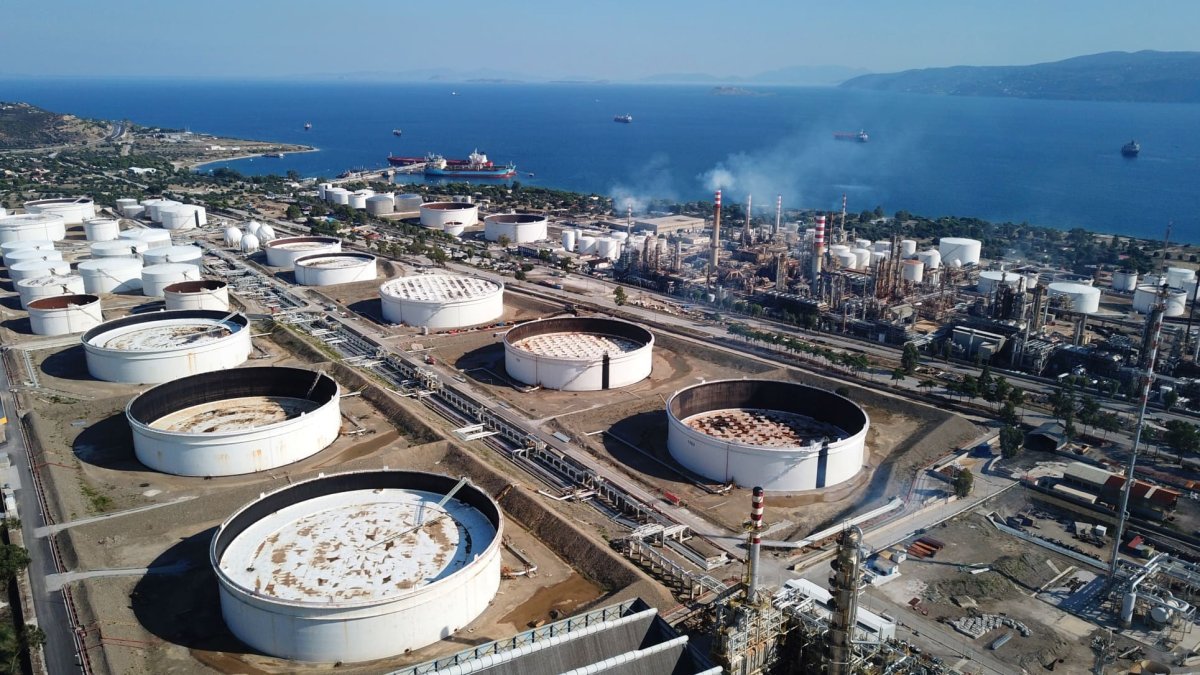
Saudi Arabia significantly increased its oil production in October. According to new figures from the OPEC oil cartel, the country produced 26 percent more oil than a month earlier. This brings production back to the level it was at before the war with Iran. The additional supply comes at a time when the oil price is already under considerable pressure.
In October, Saudi Arabia produced an average of 10.56 million barrels of crude oil per day, according to figures the country itself submitted to OPEC. In September, production was still 8.37 million barrels per day.
This represents an increase of over 2.2 million barrels per day, or approximately 26 percent. This is the highest production level since February, the last month before the war with Iran broke out. At that time, Saudi Arabia was producing about 10.88 million barrels per day.
The recovery is noteworthy, as the oil trade in the Middle East continues to be disrupted by attacks on tankers and energy infrastructure.
Nevertheless, Saudi Arabia is becoming increasingly successful in transporting oil to the international market. To do so, the country uses both the Strait of Hormuz and a pipeline to the Red Sea. This second route allows it to bypass part of the dangerous strait.
Iraq is also increasing its production. In October, the country reported producing nearly 4.9 million barrels of oil per day, also the highest level since the start of the war.
Rising production increases supply on the global market and contributes to downward pressure on the oil price.
Brent crude oil, the most important international benchmark, has fallen in value by about 21 percent this month. The price is fluctuating around $93 per barrel.
This is a noteworthy development, as the war with Iran continues to create uncertainty regarding oil supplies from the Middle East. However, higher production and the recovery of exports are making more oil available again.
Signs of a more abundant supply are also evident in the physical oil market. In some regions, prices are under pressure, while global demand for oil remains relatively weak.
However, an important caveat is necessary regarding the production figures. Saudi Arabia and Iraq themselves report significantly higher volumes than independent sources.
According to those external estimates, Saudi Arabia produced about 9.19 million barrels per day in October. For Iraq, this amounts to approximately 4.49 million barrels.
OPEC uses these very independent figures to assess whether countries are complying with their production agreements. Based on this, there is also a strong recovery, but actual production may therefore be lower than both countries themselves report.
The increase in oil production comes at a crucial time for OPEC+. The alliance of oil-producing countries is preparing new production agreements for 2027.
To this end, OPEC+ is investigating how much oil its member countries can actually produce. This capacity plays an important role in determining future production limits.
The members will meet again on November 29 to discuss this matter.
The changed position of the United Arab Emirates also plays a role in this. The country left OPEC earlier this year and can therefore increase its production without having to take into account the cartel's restrictions.
Meanwhile, Iran continues to be severely affected by the war and U.S. export restrictions. According to independent OPEC figures, the country was still producing about 1.91 million barrels of oil per day in October. That is the lowest level in about forty years.