
Oman is significantly expanding its oil reserves to bypass the Strait of Hormuz
Oman is doubling its oil storage capacity at Duqm and exploring floating storage options, while Gulf states are seeking alternatives to the Strait of Hormuz.
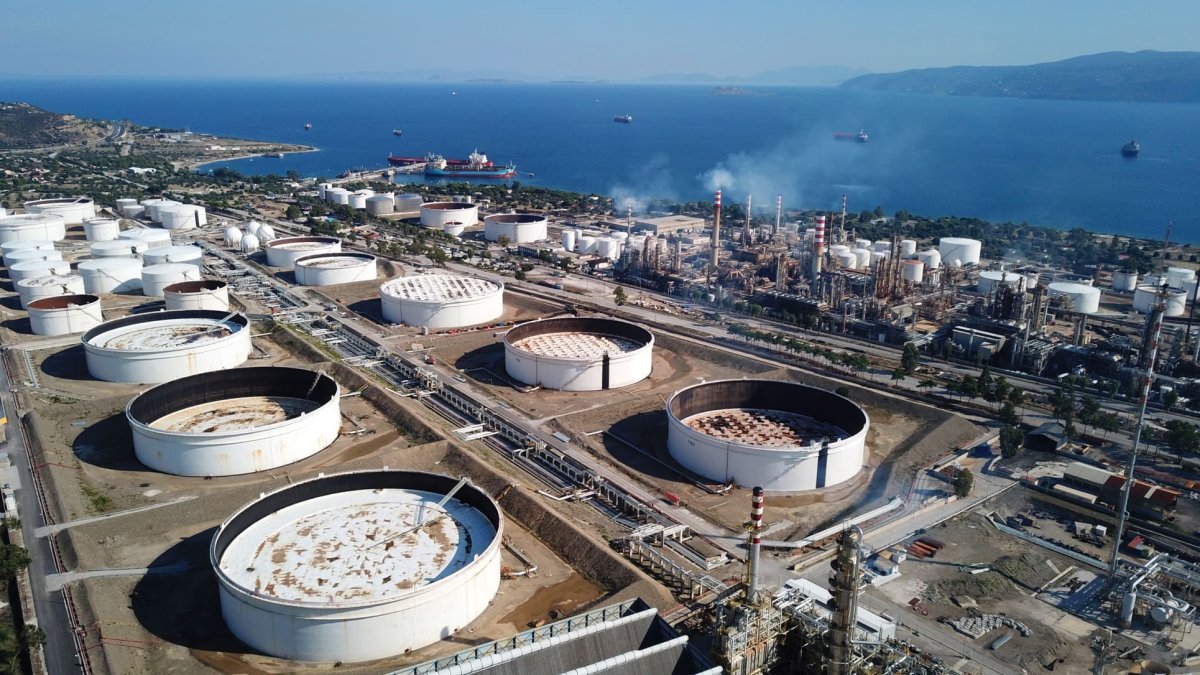
Oman plans to more than double its oil storage capacity at the port of Duqm. The port is located outside the Strait of Hormuz and is therefore becoming increasingly important as oil producers in the Middle East seek alternative routes.
The state-owned energy company OQ aims to expand onshore storage capacity from approximately five million to ten million barrels within three years. In addition, the company is considering using two enormous oil tankers as floating storage.
The port of Duqm is located on the Arabian Sea. Oil tankers loaded there do not have to pass through the Strait of Hormuz first. That is precisely what makes the location attractive now that this key chokepoint for global oil trade is being disrupted by the conflict in the Middle East.
Saudi Arabia and the United Arab Emirates are also looking for ways to reduce their dependence on Hormuz. At the same time, tankers are still sailing through the strait, with some ships reportedly turning off their transponders, according to the source.
OQ is therefore exploring the purchase of two very large oil tankers. Each tanker can store approximately two million barrels of oil. A decision on this matter is expected later this year.
After purchase, it would take about six months before the ships could be deployed as floating storage facilities at Duqm.
Duqm has long been viewed as a potential terminus for an oil pipeline crossing the Arabian Peninsula. This would allow oil from Saudi Arabia or Kuwait, for example, to be transported directly to the Arabian Sea without passing through the Strait of Hormuz.
So far, such a project has not gotten off the ground. Due to the tensions surrounding Hormuz, the idea is once again attracting attention.
Saudi Arabia and Kuwait have indicated that they are exploring alternative pipelines. The United Arab Emirates also wants to build additional pipelines to Fujairah, a major oil port that is also located outside the Strait of Hormuz.
According to OQ CEO Ashraf Al Mamari, discussions with Oman regarding potential pipelines are still in a very early stage.
“As far as the pipelines are concerned, the message from Oman is that we are, of course, open to the idea, but the discussions are still in a very early stage,” he said.
According to Al Mamari, the discussions are currently taking place between the relevant governments.
Oman has much bigger plans for Duqm. In the long term, onshore storage capacity is ultimately expected to grow to approximately 40 million barrels of oil.
The timing could be favorable. The cost of transporting oil has risen sharply due to the war in the Middle East. Ships must account for greater security risks and alternative routes.
As a result, rates for the largest oil tankers on the key route between the Persian Gulf and China have risen to more than one million dollars per day.
For Oman, this makes storage outside the Strait of Hormuz more attractive. At the same time, OQ has yet to determine whether the high acquisition costs of the two supertankers outweigh the potential revenue from oil storage.