
Oil prices are falling sharply: here's why this is good news for investors
The price of oil is falling sharply due to an impending oversupply. This means lower inflationary pressure and potentially new opportunities for investors.
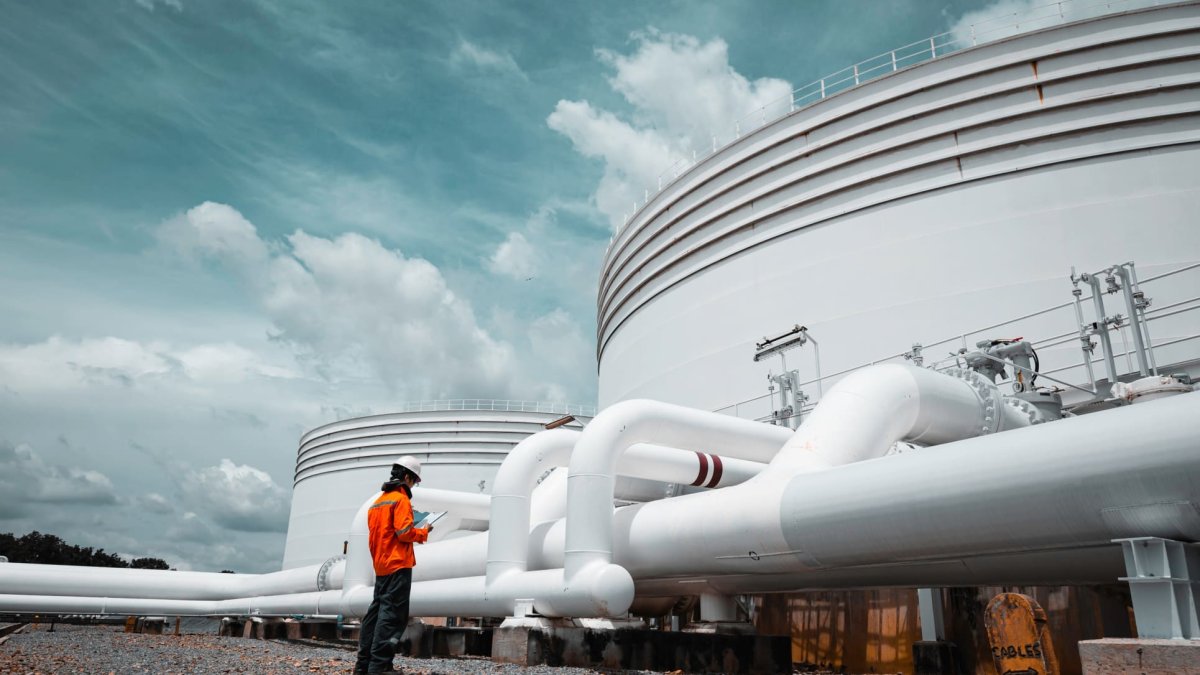
The global oil market is undergoing a remarkable shift. While the war in the Middle East caused a historic disruption to energy supplies earlier this year, there is now a risk of a major oil surplus. The falling oil price is not only beneficial for motorists, but can also have major consequences for inflation, interest rates and financial markets.
According to the International Energy Agency (IEA), the global oil market is heading for a surplus of around two million barrels per day. Supply is recovering faster than demand, putting considerable pressure on prices. A barrel of Brent crude currently costs around $90, more than 20% less than a month ago.
The price of oil may fall further in the coming period. Major oil producers such as Saudi Arabia and Iraq are ramping up their production, while the United States, Canada, Brazil and Guyana are also extracting more and more oil from the ground.
According to the IEA, if restrictions around the Strait of Hormuz continue to ease, buyers could gain a stronger negotiating position in the oil and gas market. However, a new escalation in the Middle East could once again push prices up significantly.
Advertisement: As a new customer, temporarily receive 4% interest on your balance up to €20,000 at Trade Republic. Interest is paid monthly, and you can withdraw your money at any time.
For European households and businesses, the drop in prices is a welcome development. Cheaper oil can lead to lower prices at the pump, while companies spend less money on transportation and production.
Calculations by the European Commission show that a ten percent increase in imported energy prices ultimately leads to approximately 0.22 percent higher consumer prices in the European Union. Oil is responsible for about half of that effect. When oil prices fall, this mechanism generally works in reverse.
This is also important for the European Central Bank (ECB). When inflationary pressures ease, there is less need to raise interest rates. Earlier this year, investors were expecting higher interest rates due to the energy crisis, but those expectations have now subsided.
According to ING, the combination of lower inflation, accelerating economic growth and less pressure on interest rates is, in principle, favorable for both stocks and bonds. Consumers also have more money left over, which can further support the economy.
Not all investors have reason to be optimistic. Oil producers are seeing their revenues and profit margins come under pressure. Airlines, transportation companies and chemical companies, on the other hand, can benefit from lower fuel costs.
At the same time, the energy crisis has triggered another development. According to the IEA, about three-quarters of the world’s population live in countries that import oil and gas. The crisis surrounding the Strait of Hormuz has once again highlighted how vulnerable this dependence is.
The IEA therefore expects countries to invest more in their own energy sources, including solar energy and nuclear energy. Reducing dependence on foreign energy is therefore becoming an increasingly important argument for the energy transition.
This also creates opportunities for investors outside the traditional oil sector. The increasing electrification requires substantial investments in electricity grids, batteries and energy storage. It is precisely companies involved in the generation, transmission and storage of electricity that can benefit from this in the long term.