
Nvidia CEO sees big problem as AI shares plummet
Investors are losing confidence in the AI trade. Why is that? And what needs to be done to turn this around again?
The US stock market futures are predominantly red this morning, after Thursday ended with deep red figures due to doubts about the AI bull market. Despite ASML, TSMC, Meta Platforms, SpaceX and Super Micro already showing strong quarterly results, investors are losing confidence in the investment cycle.
On Thursday, the S&P 500 closed with a loss of 1.2 percent. While the Nasdaq even surrendered 2.6 percent. For the tech fair, that was the worst day since June.
The concerns about artificial intelligence are mainly affecting the American tech sector.
For example, Nvidia fell by 4.4 percent, Alphabet fell by 3.2 percent and Advanced Micro Devices had to undergo a decline of 8.1 percent.
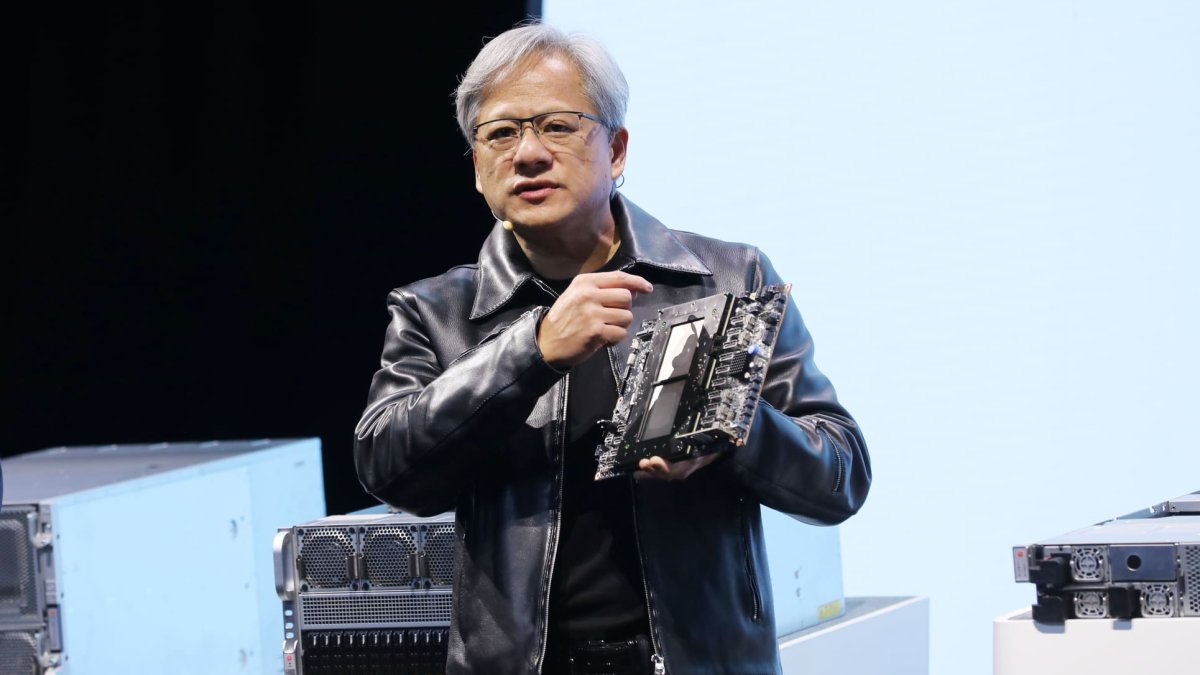
Nvidia CEO Jensen Huang spoke about this development on Thursday. According to him, the problem is mainly that there is too little capital.
“There is a scarcity of capital. The demand for capital is much greater than the availability,” says Huang. This is particularly problematic in the neocloud segment.
Ed Yardeni, a Wall Street legend, called Thursday's AI trade a bubble. But according to him, it does not have to burst if some air leaks out under the current circumstances.
“I don't think the bubble is going to burst and create problems for the economy,” Yardeni said.
The big doubt is that bond yields have risen sharply. The financing costs of investments have therefore increased considerably. It is becoming increasingly expensive to realize the projects.
As Nvidia CEO Huang said, capital is becoming increasingly scarce.
That's the main problem right now. Combined with the fact that the oil price is still a serious problem. For example, the Brent oil price trades above $110 per barrel.
The longer the oil price trades around that level, the more it will become a problem for the global economy. After all, that will come back in inflation, leaving central banks less room to support the markets.