
Economist warns US central bank could burst AI bubble
Economist Greg Ip warns that the AI boom is in serious danger if the Fed decides to raise interest rates further.
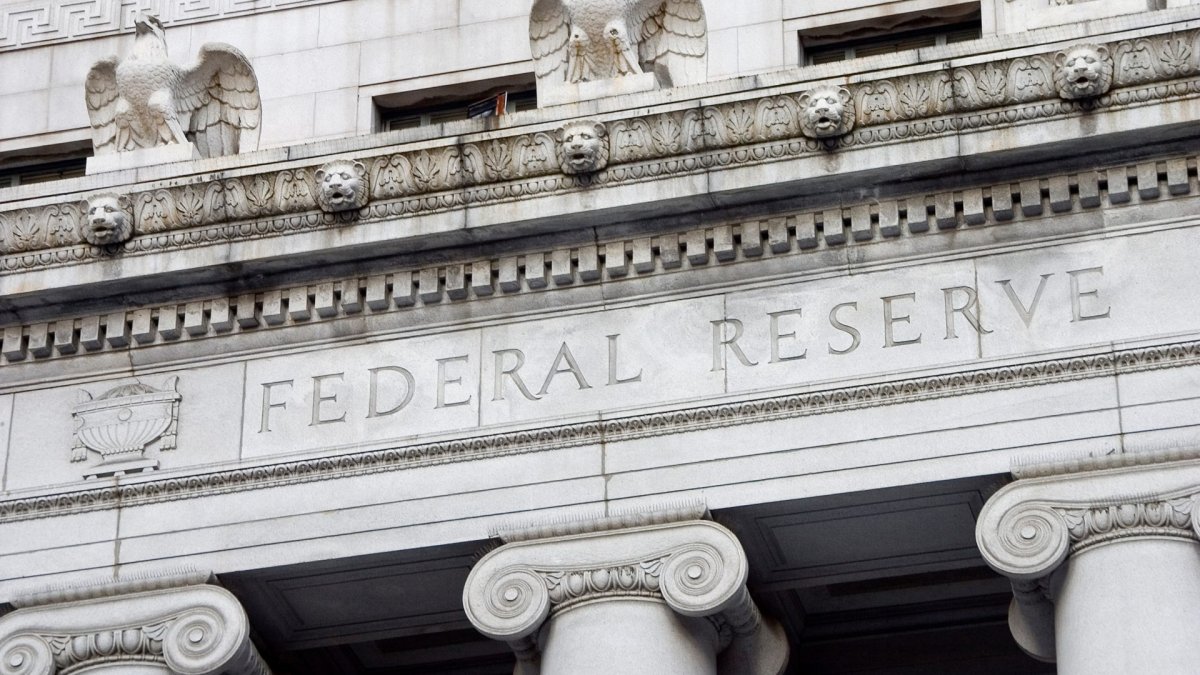
American technology companies are investing huge sums in artificial intelligence. Despite concerns about the high costs, a lot of money continues to flow into the sector. Investors expect the technology to generate huge profits in the coming years.
Nevertheless, there is growing discussion about how long this development can continue. According to economist Greg Ip of The Wall Street Journal, a major risk is underestimated.
According to Ip, the situation is reminiscent of the year 2000. At the time, investors continued to invest large amounts in internet companies, despite interest rate hikes by the US central bank (Fed).
Even now, some large investors think that higher interest rates will have little impact on the AI sector.
Hedge fund manager Bill Ackman, for example, wonders whether the demand for AI and energy will decrease with higher interest rates. According to him, the potential yield of advanced artificial intelligence can be so large that higher financing costs hardly matter.
John Arnold, co-chair of Arnold Ventures, also thinks that higher interest rates will hardly slow down demand for AI. According to him, interest rate increases make entrepreneurship more expensive. Companies can pass on these extra costs to consumers, which can cause inflation to rise even further.
According to IP, these investors underestimate the influence of the central bank. Higher interest rates not only make borrowing more expensive, but also have consequences for virtually the entire financial system.
A higher interest rate ensures that less money is available for investments. Investors are becoming more cautious and companies are finding it more difficult to raise new capital.
This can also put the AI sector under pressure. Technology companies need a lot of capital to grow further. If investors are less willing to invest, this can slow down the growth of the sector.
According to Ip, the past has often shown how great the consequences of higher interest rates can be. He refers, among other things, to the bursting of the internet bubble and the American housing crisis. According to him, the Fed also played an important role in the stock market crashes of 1929 and 1987.
The Fed is not out to stop the AI craze. Above all, the central bank wants to bring inflation back to its target of 2 percent.
For this, the price pressure from the AI sector does not have to disappear completely. But if inflation remains too high, the Fed may be forced to intervene further.
According to Ip, the central bank has sufficient resources to slow down the enormous flow of money to AI companies. If that is necessary to get inflation under control, he expects the Fed to actually use it.