
How do you protect your wallet from an AI crash?
The sales wave in AI shares is making investors think. How do you protect your portfolio if the AI trade really collapses?
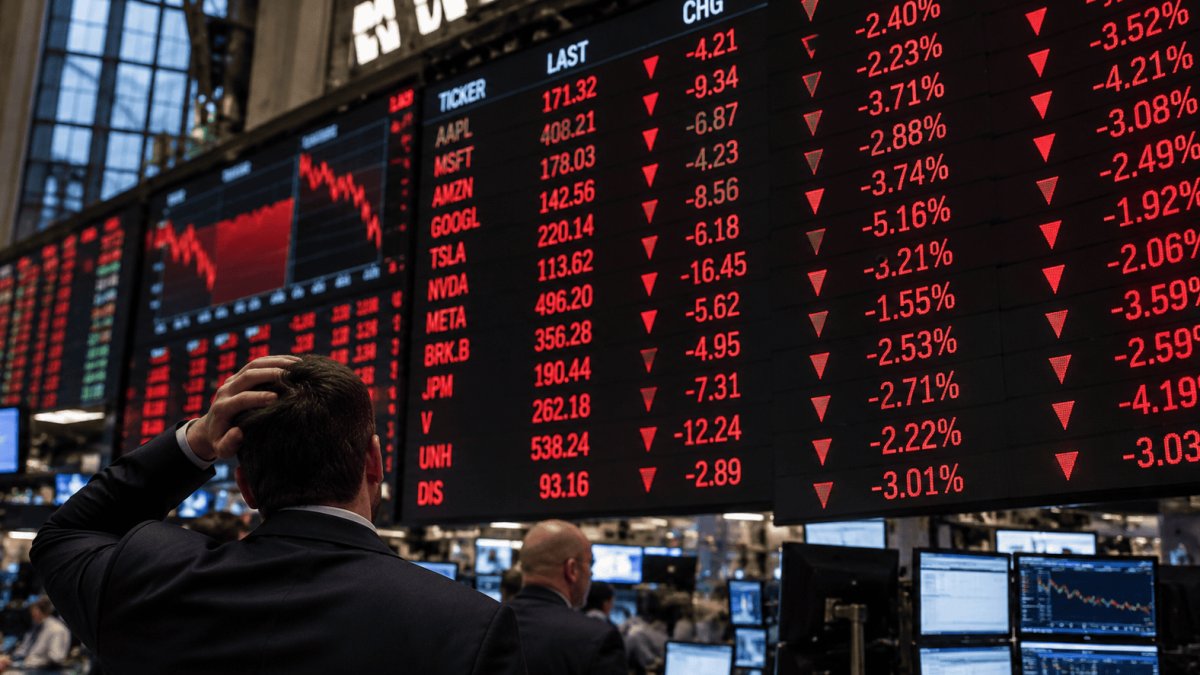
The sell-off in AI shares is forcing investors to think about an uncomfortable demand. What happens to your portfolio if the AI trade really collapses?
This week, companies like Dell, Ciena and Lumentum lost about 20 percent of their market value. Bonds used to finance data centres also came under heavy pressure. Remarkably, at the same time, the US 10-year interest rate fell by about 24 basis points. This already gives a first indication of where investors are seeking protection.
One possible protection is US government bonds. If AI investments collapse, economic growth could slow significantly. In such a scenario, according to some strategists, the Federal Reserve should eventually cut interest rates sharply.
Long-term bonds normally benefit from falling interest rates. There is a problem there. As long as the AI rally continues and inflation remains high, bond yields can continue to rise. The timing of such a hedge is therefore difficult.
Gold is also mentioned. If an AI crash forces central banks to pump a lot of liquidity into the financial system again, it could ultimately be positive for gold.
In addition, investors look at markets with relatively little direct AI exposure. Think of parts of India, Latin America, Poland or more defensive sectors such as healthcare, telecom and utilities.
Duncan Lamont of Schroders mainly sees opportunities in value shares. According to him, historical data since 1996 show that value remained approximately flat on average in quarters in which semiconductor stocks fell sharply.
When chips lost an average of 12 to 15 percent, value held up relatively well. However, the implementation is important. Many popular value ETFs now contain large technology companies, which sometimes gives investors less spread than they think.
That is ultimately the most important point. An AI crash may hit not only stocks, but also credit, commodities and bond markets.
Cash, government bonds, gold, value, and less technology-sensitive markets can all provide protection, but no hedge works in all circumstances.
Precisely because AI is now so deeply intertwined in almost all financial markets, spreading becomes more important as valuations continue to rise.