
Fed chief Warsh refuses interest rate hint and warns of ‘very bumpy’ AI transition
Kevin Warsh, the chairman of the US central bank, refuses to clarify the interest rate meetings of October and December.
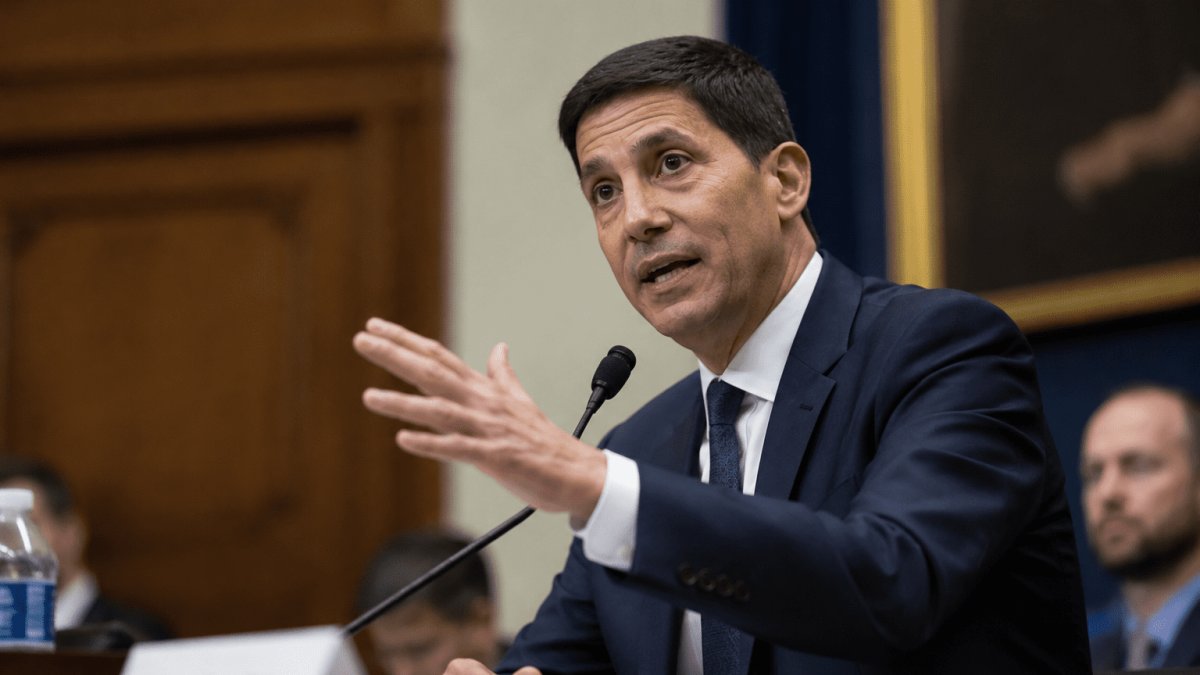
Fed Chairman Kevin Warsh refuses to give investors clarity on the next interest rate step. At a meeting of the IMF and the World Bank in Bangkok, he said that he does not want to send meetings in advance.
This is striking, because the market is trying to estimate whether the Federal Reserve will raise interest rates again on 27 and 28 October.
Warsh made it clear that the Fed's communication style is changing. He wants to make less use of so-called forward guidance, whereby central bankers give hints in advance about future interest rate decisions.
According to Warsh, financial markets must interpret the economic figures themselves. “We don't do that anymore,” he said of sending interest rate expectations in advance. The market is currently counting on an approximately 72 percent chance that interest rates will remain the same in October.
On the contrary, a new increase of 25 basis points is still largely expected for December.
Warsh also pointed to a striking international pattern. At the same time, central banks worldwide are pursuing a stricter monetary policy.
He spoke of "synchronised tightening" and stated that there are "no free riders". The background is clear. High energy prices due to the war around Iran keep inflation high, while huge investments in AI infrastructure strengthen the demand for capital and can further increase financing costs.
In addition, global government debt is moving towards more than 100 percent of global GDP.
Despite the short-term risks, Warsh remains positive about AI. He expects that economies that successfully apply the technology will eventually become more productive and prosperous.
According to him, the road to it will only be "quite bumpy". In particular, the consequences for the labour market are still difficult to predict in the short term.
The Fed raised rates to 3.75 to 4 percent last month, the first hike since 2023. This leaves the market in uncertainty for the time being. Warsh sees great economic opportunities in the long term, but refuses to tell investors how much interest rate hikes are still needed in the short term.