
Investors are fleeing en masse to government bonds and abandoning shares
Doubts about the AI investment cycle are pushing investors towards government bonds, which are currently paying relatively high interest rates.
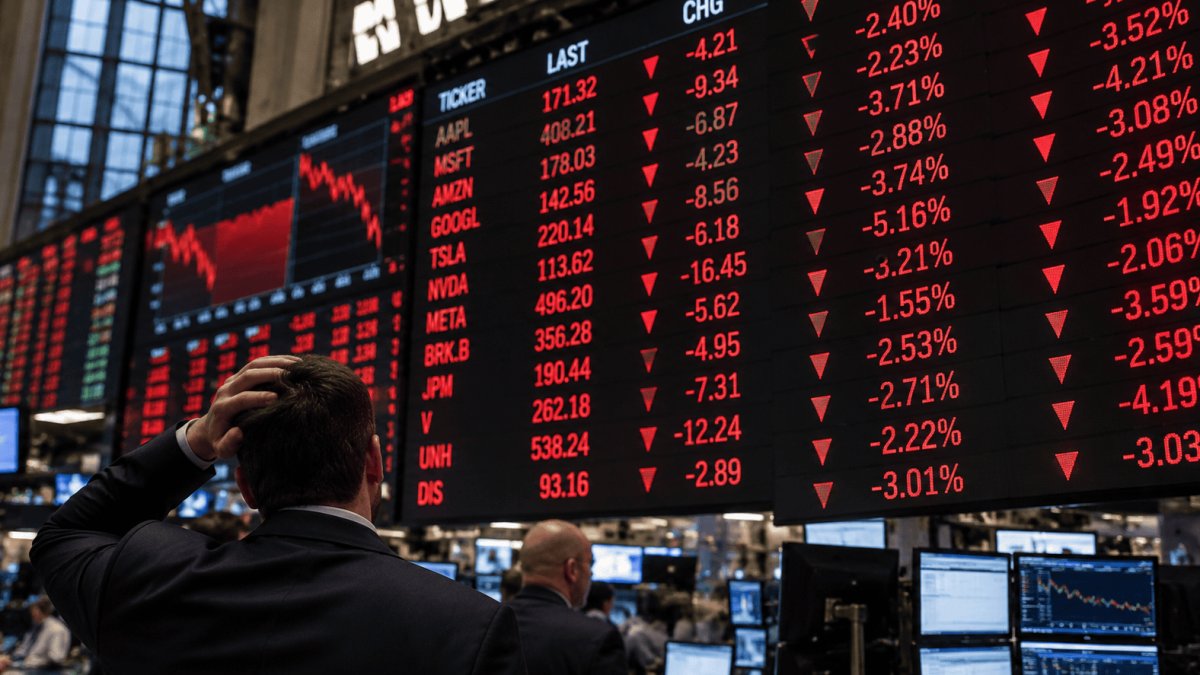
Japanese government bonds and the yen rose on Friday morning, while Asian stock markets fell after tech panic on Wall Street triggered a global flight to safety. Investors are increasingly concerned about the future of the AI bull market.
At this moment of fear, investors are opting for government bonds. The Japanese 10-year yield fell 0.09 percentage point to 2.77 percent, as demand for the bonds was high. As a result, Japanese government bonds managed to rise for the fifth day in a row.
Incidentally, the flight to safety was not limited to Japan. The South Korean Kospi initially fell by as much as 4 percent on Friday morning, heading for its fourth consecutive week's loss.
The index even fell 20 percent this month and is already more than 40 percent below the all-time high of June. With this sharp price decline, the Kospi is the worst-performing stock market index of the past quarter.
We saw investors once again become concerned about the AI cycle, after Meta's investment plans once again raised doubts about the sustainability of the debt-funded investment cycle.
The AI investment cycle is particularly affected by the pressure of high bond yields. However, it's important to realize that high interest rates are ultimately the best medicine for high interest rates themselves.
High interest rates make borrowing more expensive, saving more attractive and investing less attractive. Businesses and consumers are spending less, slowing economic growth.
As the economy and investments cool, the demand for capital falls. Because the demand for money is falling and inflationary pressure is decreasing, there will be upward room for central banks or the market to lower interest rates in the long term.
Ultimately, the system itself provides balance. It is quite possible that we will now have a period in which the demand for capital decreases somewhat and the pace of AI expansion decreases.
However, that does not necessarily mean that we are actually looking at the end of the bull market.