
Google Loses $520 Billion in Market Value After Historic Crash
Google share crashes more than 13 percent after disappointing figures. Alphabet is losing hundreds of billions of dollars in market value.
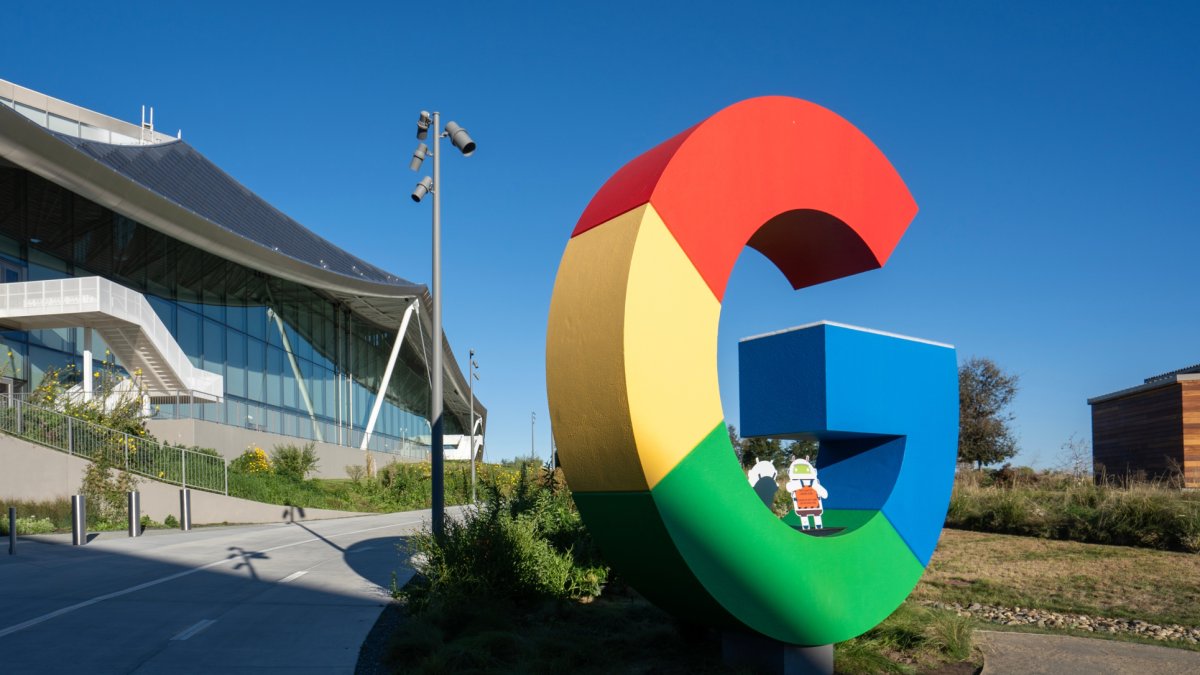
The share of Alphabet, the parent company of Google, will again take a hard hit on Wall Street on Thursday. After Wednesday's disappointing quarterly figures, the share price has now fallen by more than thirteen percent.
With this, the technology company seems to be heading for its biggest price loss ever after the publication of quarterly figures. Hundreds of billions of dollars in market value have evaporated in a short time.
The sales wave started on Wednesday evening, right after Alphabet announced its quarterly figures. During Thursday's trade, the decline was further magnified. The stock dropped to about $283, a loss of nearly $43 per share.
According to market commentator The Kobeissi Letter, about $520 billion in market value disappeared in one day. That's an exceptionally large amount, even for one of the largest technology companies in the world.
Moreover, the price decline threatens to wipe out a significant part of this year's previous earnings. Alphabet has long been one of the big winners in the rise of artificial intelligence (AI). Investors were counting on Google to grow strongly for years to come thanks to its search engine, cloud services and AI technology.
Those expectations are now under pressure. Although Google still shows impressive growth figures in various areas, the financial results are disappointing. At the same time, the cost of new data centers and AI infrastructure is skyrocketing.
The quarterly figures make it clear why investors are worried. Alphabet earned $2.12 per share in the third quarter, significantly less than analysts expected.
Turnover also fell short of expectations. In particular, Google's traditional operations, including its search engine and advertising services, performed less well than hoped for.
Remarkably, Google Cloud is doing just fine. The turnover of this industry increased by 103 percent compared to a year earlier. Operating profit was $11.1 billion, well above analysts' expectations.
Nevertheless, those strong results could not prevent the price from falling.
An important reason is the huge amount of money that Alphabet is currently investing. In the third quarter alone, the company spent about $51.4 billion on data centers and other infrastructure, among other things.
As a result, free cash flow was about $9.1 billion negative. This means that after the necessary investments, more money flowed out of the company than came in.
Alphabet also raised billions of dollars through new debt and share issuance. For investors, this raises questions about the financial consequences of the ambitious AI plans.
The consequences of the historical price decline are not limited to shareholders who invest directly in Alphabet.
The company has a large weighting in various popular American stock exchange funds. As a result, investors who spread their money over several companies also feel the consequences.
A clear example is the Communication Services Select Sector SPDR Fund (XLC). About 23 percent of this fund consists of Alphabet's two different share classes.
The well-known Invesco QQQ, which follows the Nasdaq 100, also has Alphabet in its portfolio. In the Vanguard Growth ETF (VUG), the technology company even ranks among the largest investments with a weighting of around ten percent.
Anyone who owns several of these funds can therefore unnoticed have a significant part of their assets in the same company.
Meanwhile, Alphabet continues to invest heavily in artificial intelligence. Financial director Anat Ashkenazi has indicated that investments will increase significantly further in 2027.
This also increases the pressure to convert spending into higher income. The development of Google's AI search engine will be particularly important. The company currently earns less from searches through AI mode than from traditional searches.
Analyst Youssef Squali of Truist Securities thinks Google is deliberately focusing on attracting users first, before the company further increases the advertising revenue from its new AI products.
For the time being, however, the costs remain high. According to Barron's expectations, Alphabet's investments may even remain higher than operating cash flow until 2028.