
AI race puts financial stability under pressure, warns Chinese regulator
Chinese regulator Xiao Yuanqi sees AI debt mounting. He wants policymakers to prepare for new financial dangers.
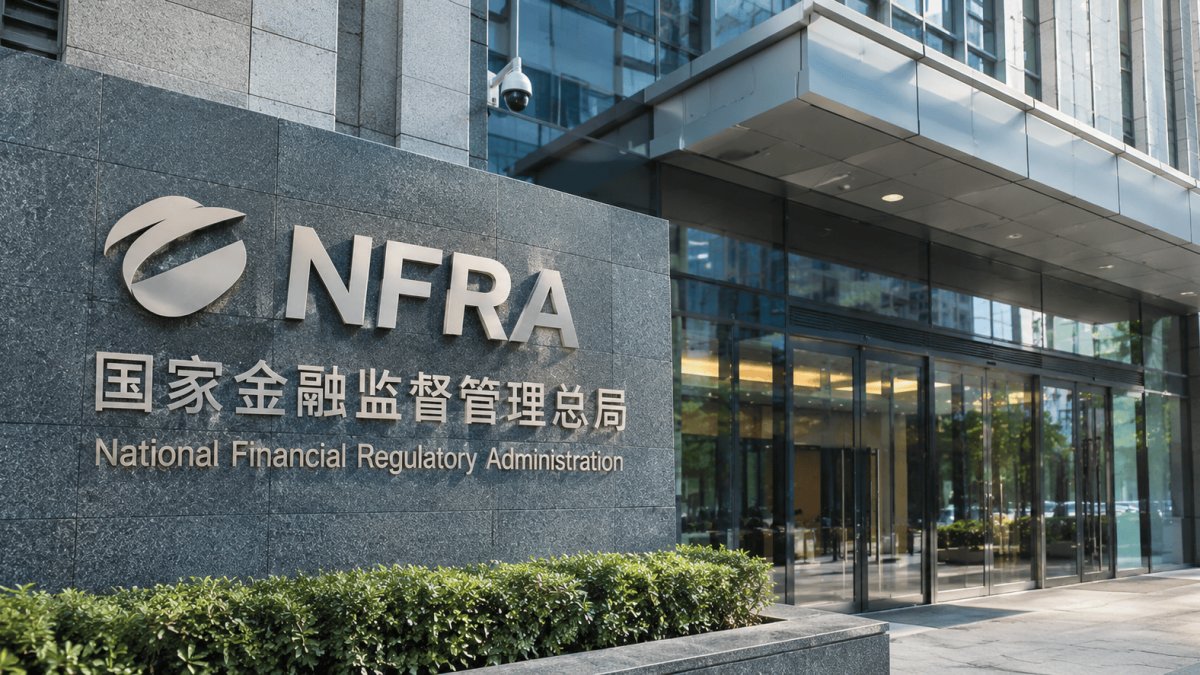
The huge flow of money towards artificial intelligence is starting to take unhealthy forms, according to a high Chinese regulator. More and more capital ends up in a small group of large technology companies, while traditional sectors are more difficult to finance. This creates a new risk under the global AI race.
Xiao Yuanqi, deputy head of the Chinese financial regulator, warns according to Reuters that investments in AI are now becoming too concentrated. According to him, the huge influx of money to technology companies and market leaders is causing debts within those sectors to increase.
This can lead to too rapid an expansion. Companies invest billions in chips, data centers and other infrastructure to gain market share as quickly as possible, while it is not always clear how much profit will ultimately be achieved.
At the same time, according to Xiao, a displacement effect occurs. The more capital flows into AI and technology, the less attractive traditional companies become for investors and banks.
This can increase their financing costs. Companies outside the technology sector then have to pay more interest to borrow money, leaving less room for investment, growth and production.
So the concern is not just about whether AI shares have become too expensive. According to Xiao, the concentration of capital can also have broader consequences for the entire economy.
As more and more money flows into the same sector, it can increase credit risks and put financial stability under pressure. Especially if companies borrow a lot to accelerate their AI investments.
Therefore, he believes that policymakers should specifically prepare for the economic changes that AI is causing. Not only technology policy is needed, but also rules around macroeconomic management and financial risks.
The warning comes at a time when huge sums are flowing into AI infrastructure in both China and the United States. Big tech companies are investing hundreds of billions of dollars in chips, data centers, and energy supplies.
In principle, these high investments do not have to be a problem. The main question is whether future returns will be large enough to justify those investments. That doubt has already been visible at the stock exchange in recent times.
In China, many AI and chip stocks have fallen sharply after valuations had previously risen extremely. In the United States, too, large technology companies are facing substantial corrections.
The declines show how quickly sentiment can shift once the market becomes less convinced that future profits can justify current investments and valuations.