
AI infrastructure costs $10.3 trillion, and you contribute indirectly
Tech companies are investing trillions of dollars in AI infrastructure, but according to FT columnist Robert Armstrong, you're already paying for it.
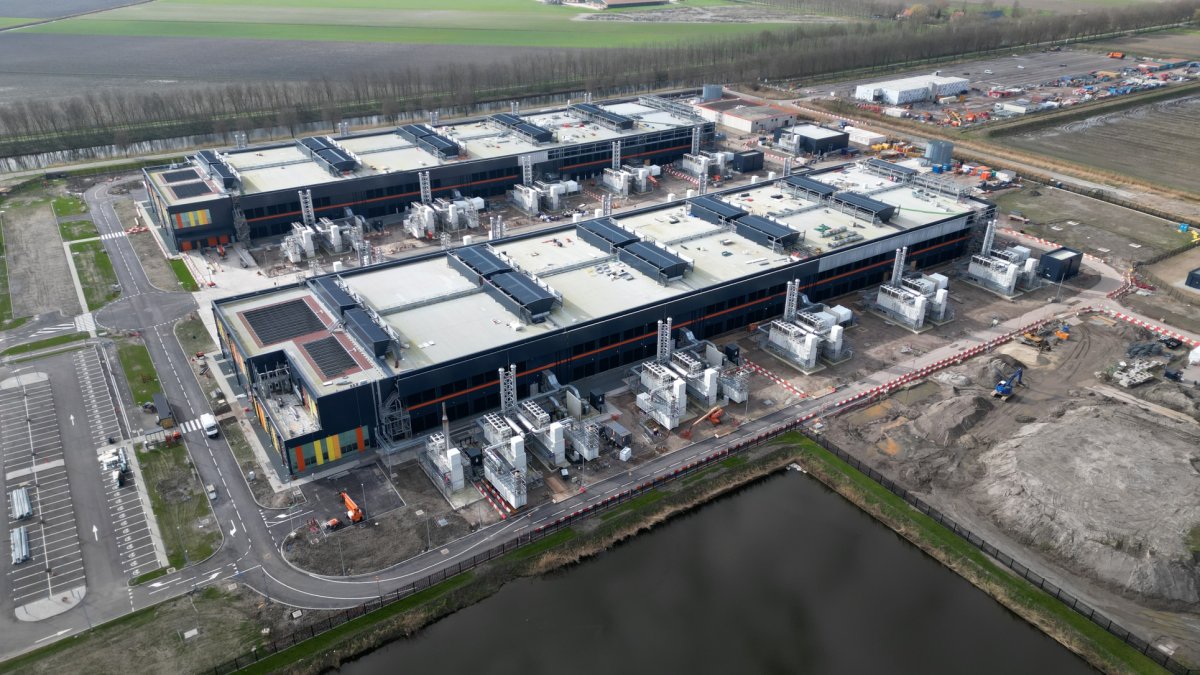
The global expansion of AI infrastructure is becoming so large that almost every investor is indirectly paying for it. According to a Brookings estimate, U.S. AI infrastructure will cost about $10.3 trillion by the end of 2032.
That amounts to an average of 3.6 percent of US GDP per year. In terms of size, this is comparable to several historical infrastructure projects at the same time.
Alphabet, Amazon, Microsoft, Meta, Oracle and SpaceX are expected to generate approximately $760 billion in cash flow combined this year. But pretty much all that money, and possibly more, is reinvested in data centers, chips, and other infrastructure.
As a result, the free cash flow of these companies can remain negative for years, despite strong profit growth. Chip companies are also investing heavily. The thirty largest producers are heading for more than $200 billion in capital investments this year, about twice as much as three years ago.
There is a second layer on top of that. AI companies and chip manufacturers themselves invest in other companies from the same chain.
For example, Nvidia has approximately $94 billion in interests in companies such as OpenAI, Anthropic, and CoreWeave. The sector is thus financing itself more and more.
In addition, debt financing is growing rapidly. Approximately $466 billion in AI-related debt has already been issued this year.
Many of them receive an investment-grade rating, for example because hyperscalers are guarantors or because the loan is covered by expensive GPUs.
This makes these bonds suitable for pension funds, insurers and other large institutional investors.
Anyone who owns a pension, annuity, equity fund or broad bond portfolio is likely to already have indirect exposure to AI infrastructure.
The six largest hyperscalers and major chip companies together are worth about $31 trillion, accounting for about 20 percent of the global stock market.
So the AI investment cycle isn't just paid for by tech companies. Shareholders, bond investors, pension funds, insurers and ultimately millions of households contribute to the financing. As a result, the success or failure of these investments affects almost everyone with savings or investments.