
Goldman Sachs predicts a huge oil surplus: prices could plummet
Goldman Sachs expects a significant oil surplus in 2027 and predicts a lower oil price. The war with Iran remains a significant uncertainty.
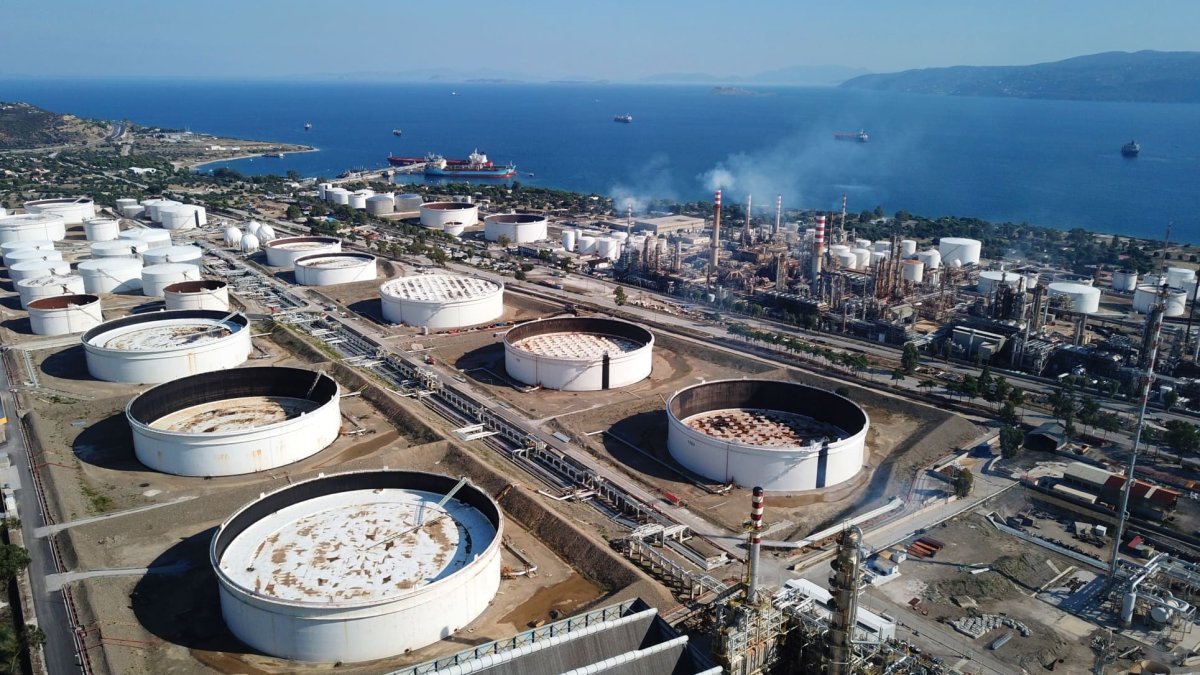
The price of oil could drop significantly next year. According to the American investment bank Goldman Sachs, there is a risk of a significant oil surplus in 2027, despite the ongoing conflict with Iran. The bank expects the price of Brent crude oil to fall to $78 per barrel by the end of next year. That is almost 18 percent lower than the current price of around $95.
Goldman Sachs analysts, including Daan Struyven, expect that by 2027, an average of two million barrels of oil per day will be produced globally in excess of consumption. In doing so, the bank is already taking into account a disruption of around one million barrels per day due to the war in the Middle East.
This anticipated surplus could cause the oil price to drop significantly. Goldman Sachs expects an average Brent oil price of $88 per barrel for the whole of 2027. By December, that price could fall further to $78.
According to the bank, the extra price that traders are currently paying due to the risks of the war will also gradually disappear. As the likelihood of major disruptions to oil supplies diminishes, buyers will have to pay less to protect themselves against these risks.
The forecast comes after a particularly turbulent year for the oil market. In April, the price of Brent crude oil rose above $126 per barrel, the highest level since 2022. Since then, the price has fallen significantly again.
The International Energy Agency (IEA) also expects the oil market to gradually move towards a surplus.
Advertisement: As a new customer, temporarily receive 4% interest on your balance up to €20,000 at Trade Republic. Interest is paid monthly, and you can withdraw your money at any time.
A key reason for the anticipated price drop is the recovery of oil supplies from the Middle East. Earlier this year, the war between the United States and Iran disrupted major trade routes, reducing the amount of oil reaching the global market.
Oil producers are now trying to reduce their dependence on the Strait of Hormuz. They can export oil through alternative pipelines without tankers having to navigate the dangerous strait.
According to Goldman Sachs, the capacity of these alternative routes could increase by about 3.8 million barrels per day next year. As a result, significantly more oil can reach the world market, even if shipping through the Strait of Hormuz remains disrupted.
The investment bank also expects little additional demand from China. Goldman Sachs believes that fuel consumption for road transport will remain structurally weak, partly because more and more motorists are switching to electric vehicles.
The analysts do not even rule out the possibility that total Chinese oil demand will have already peaked by 2025. If that is the case, a key driver of global oil demand growth will disappear.
Nevertheless, a drop in oil prices is by no means certain. In addition to its base-case scenario, Goldman Sachs also outlines two other possibilities.
If the war with Iran continues to escalate and oil production in the Middle East is once again severely impacted, Brent crude oil could average around $120 per barrel in 2027. That would indeed represent a significant increase compared to the current price.
However, according to the bank, if production recovers faster than expected and even more oil becomes available, the price could even drop to $60–70 per barrel.
The outlook for 2027 therefore varies widely. In particular, the course of the war, the security of the Strait of Hormuz and the speed at which oil production recovers will determine the direction of the oil price.