
ECB hints at a new interest rate hike: this is why December will be crucial
The ECB is considering another interest rate hike due to concerns about inflation. An important decision for savers will follow in December.
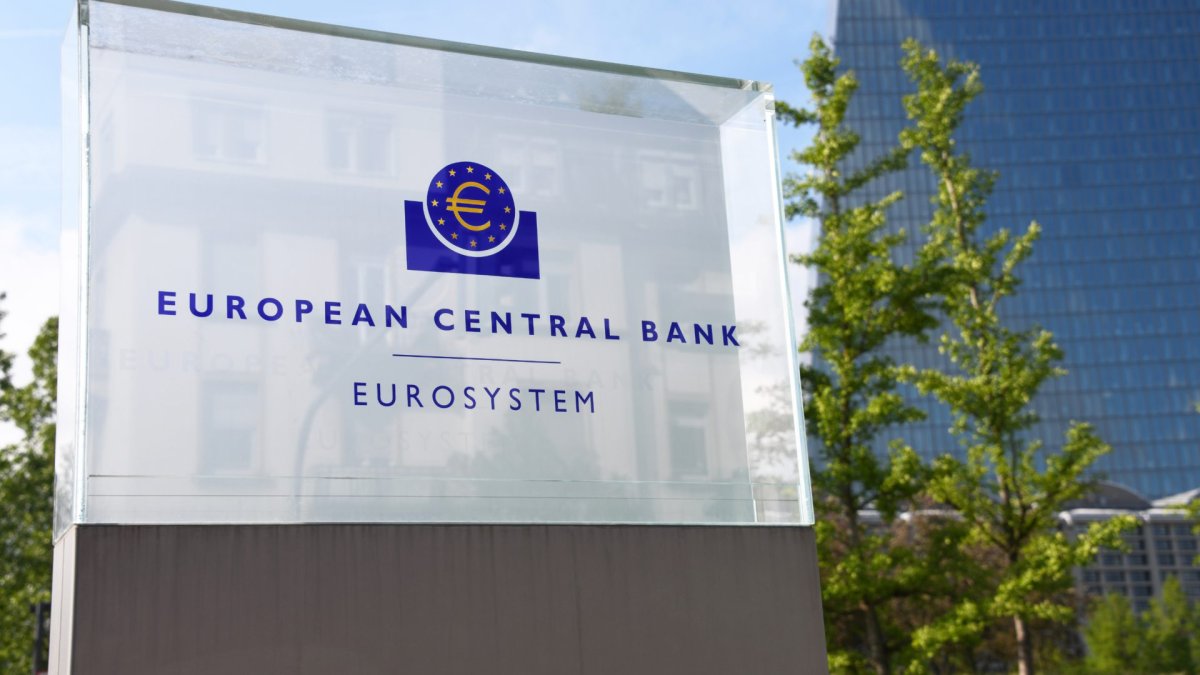
The European Central Bank (ECB) appears to be preparing for another interest rate hike. Minutes from the latest interest rate meeting, published on Thursday, show that many board members are concerned about the worsening inflation outlook. A new interest rate decision in December could have major consequences for savers, homebuyers and investors.
At the end of October, the European Central Bank decided to leave the key interest rate unchanged at 2.50 percent. However, behind the scenes, there appeared to be considerable support for a further increase. A large number of board members indicated that they could have already advocated for a higher interest rate during the meeting.
The main reason for this is the deterioration in the inflation outlook. Within the central bank, there is an awareness that a further interest rate hike is necessary unless inflation expectations improve significantly. The discussion therefore mainly revolves around the moment when the ECB will intervene again.
The central bank aims for an inflation rate of two percent in the medium term. By raising interest rates, it makes it more expensive to borrow money. This should slow down consumer and business spending and ultimately limit price increases.
An important reason for not taking action in October is that the ECB will have significantly more economic data available in December. The central bank will then present new economic forecasts, which, for the first time, will also include projections for 2029.
In addition, the governing council members will receive more information on wage negotiations, economic growth in the third quarter, and two new inflation figures. This data should clarify the extent to which higher energy prices are affecting the rest of the European economy.
The development of wages, in particular, plays an important role in this. When employees demand higher wages to protect their purchasing power, companies may decide to pass those additional costs on to consumers. As a result, inflation can also remain high for longer when energy prices fall again.
The ECB therefore considered it wiser to wait a little longer in October. The next interest rate decision is scheduled for Thursday, December 17.
Another interest rate hike could have noticeable consequences for Dutch households. For example, banks may start offering higher interest rates on savings accounts, while taking out a new mortgage may actually become more expensive. However, banks set their own rates, so an interest rate hike is not automatically passed on in full.
Interest rate policy is also important for investors. Higher interest rates generally make relatively safe investments, such as government bonds, more attractive.
Moreover, financial markets often react to changing interest rate expectations before a central bank actually makes a decision. The economic figures that will be released in the coming weeks may therefore also influence the financial markets before the December 17 meeting.