
Why gold and Bitcoin are both plummeting at the same time
Gold and Bitcoin are falling sharply due to rising U.S. interest rates and a strong dollar. What is behind the wave of selling, and could Bitcoin fall further?
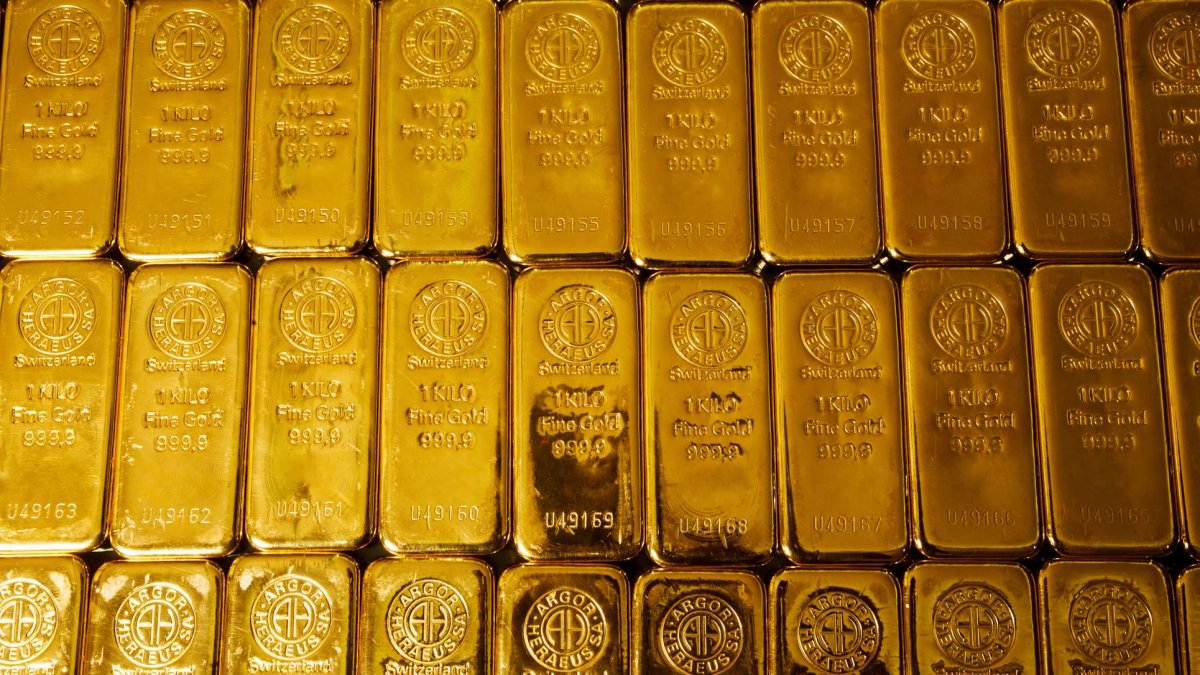
The gold price is taking a severe beating, and Bitcoin (BTC) also remains under pressure. Gold lost nearly 3 percent on Friday, falling to around $3,514 per troy ounce, its lowest level since September 2025. Meanwhile, Bitcoin is fluctuating around $61,900. One key development appears to be behind the declines: rising interest rates in the United States.
For many years, gold was considered a safe haven during turmoil in the financial markets. Nevertheless, the precious metal has fallen sharply in value since November 10. At that time, the price still reached around $4,150. Gold is now down by around 15 percent this quarter.
Bitcoin is having an even harder time. The largest cryptocurrency lost about 28 percent of its value this quarter and is struggling to stay above the $62,000 mark.
An important explanation lies in U.S. interest rates. In particular, the so-called real interest rate, which takes inflation into account, has risen sharply in recent times.
This is unfavorable for gold and Bitcoin. Neither of these assets generates interest on its own. As investors are able to earn increasingly higher returns on relatively safe government bonds, gold and cryptocurrencies become less attractive.
According to data from ING, the U.S. real interest rate for a two-year term has risen to over 2.4 percent, the highest level since 2023. For government bonds with longer maturities, the real interest rate is even close to its highest level in over twenty years.
In addition to rising interest rates, the strong U.S. dollar also plays a role. The Dollar Index (DXY), which tracks the value of the currency against other major currencies, is around 103.8 points. This puts the index at its highest level since April 2025.
A stronger dollar can make gold and Bitcoin less attractive to international investors. At the same time, higher interest rates make holding these assets relatively more expensive, as investors can earn interest elsewhere.
Developments are closely linked to the policy of the U.S. central bank. For the time being, the Federal Reserve appears to be maintaining a tight monetary policy due to persistent inflation.
JPMorgan even expects the central bank to raise interest rates by 0.25 percentage points again in January and March, following a possible rate hike in December.
This prospect creates additional uncertainty in the financial markets. Higher interest rates make borrowing more expensive and can further dampen interest in risky investments.
For Bitcoin, the combination of higher interest rates and a strong dollar comes at an unfortunate time. The cryptocurrency has already suffered significant losses this month, and a convincing recovery remains elusive for the time being.
Lewis Huang, an analyst at crypto exchange Bitget, warns that further interest rate hikes could also keep gold under pressure. For Bitcoin, he sees particular risk if the price falls again below the recent low of around $62,000.
At the same time, there is debate about the direction of the U.S. Federal Reserve. Some market watchers believe that the Fed is paying too much attention to inflation figures that lag behind current economic developments. On the contrary, falling energy prices could indicate that inflationary pressures are continuing to ease.
For the time being, the direction of U.S. interest rates remains an important factor for both gold and Bitcoin. As long as real interest rates remain high and the dollar is strong, a sustained price recovery may be difficult to initiate.