
Will Anthropic be the big winner of the AI revolution?
Anthropic stands to benefit from the next phase of AI. Why investors are betting on the company, despite its high valuation and risks.
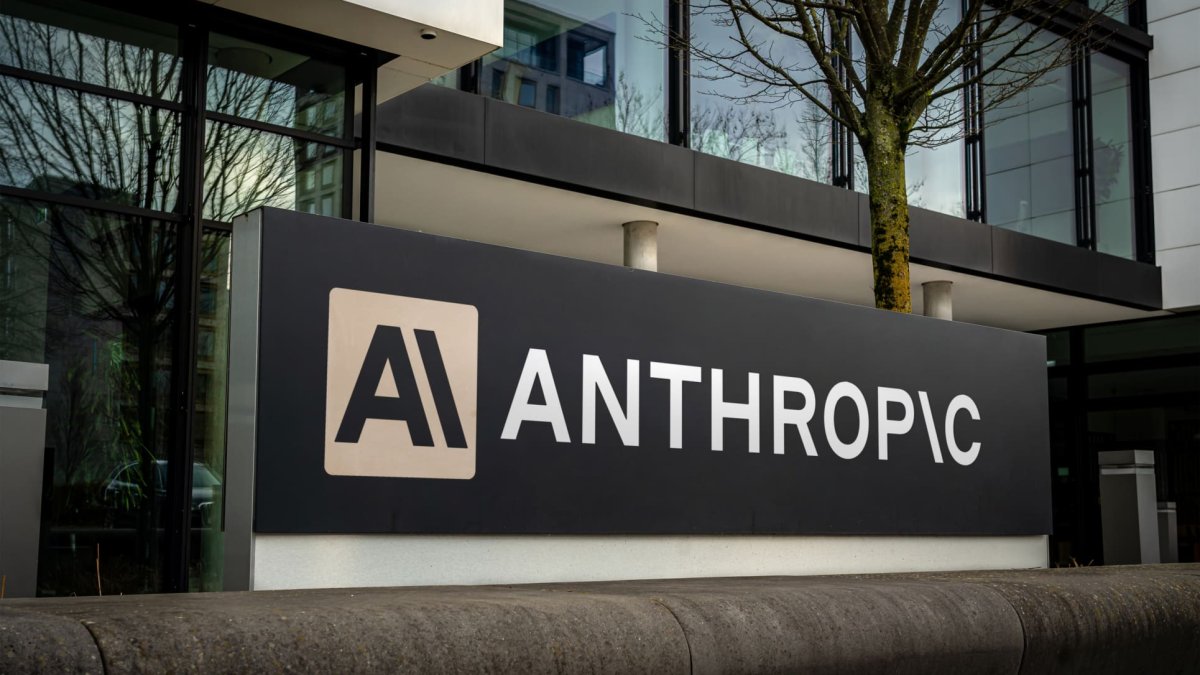
Anyone who buys Anthropic shares is not only investing in the company behind the Claude chatbot, but above all in the future of artificial intelligence. The sector may be on the verge of a major change. While chip manufacturers such as Nvidia have mainly benefited from the AI revolution so far, companies that actually apply AI could become the next big winners. According to an analysis by The Wall Street Journal, Anthropic is well positioned to benefit from this. take advantage
In recent years, the AI revolution has largely been about massive investments in infrastructure. Major tech companies have poured hundreds of billions of dollars into data centers, powerful chips, and the development of increasingly sophisticated AI models.
Nvidia, in particular, benefited from this. The chip manufacturer grew into one of the most valuable companies in the world as demand for its technology skyrocketed.
But now the financial picture is starting to change. Revenues from AI are still insufficient to finance all investments. As a result, tech companies are increasingly having to borrow money or seek other forms of financing to sustain their spending.
According to WSJ analyst Asa Fitch, the next phase of the AI revolution could be much more lucrative. In this phase, the focus will no longer be primarily on building infrastructure, but on actually making money from AI applications.
Anthropic aims to secure a prominent position in this regard. The company develops technology that is increasingly being used in businesses, government agencies and everyday life.
The growth projections are impressive. According to data from FactSet, analysts expect Anthropic's annual revenue to increase from approximately $50 billion in 2026 to over $300 billion in 2029.
This development is reminiscent of the rise of the internet. During the dot-com bubble around the turn of the millennium, the companies that initially benefited the most were those that provided the necessary infrastructure.
Cisco Systems was a well-known example of this. The network equipment manufacturer grew to become the most valuable listed company in the world. Between its IPO and the peak of the dot-com bubble, the stock achieved an average annual total return of nearly 100 percent.
After that, the picture changed. Since that peak, the average annual total return has been around 2.5 percent.
Google took a different path. The company used the existing internet infrastructure to build a profitable advertising business. Since its IPO in 2004, the average annual total return has been around 24 percent.
According to Fitch, Anthropic could play a similar role within the AI sector. The company is striving to integrate its technology ever more deeply into the daily operations of organizations.
To achieve this, Anthropic must offer more than just powerful AI models. Earlier this month, the company introduced new productivity software to strengthen customer loyalty to its services.
Expectations for Anthropic are high, but so is its valuation. After the first day of trading, the company had a market capitalization of approximately $1.8 trillion. This means that investors are paying around fourteen times the expected revenue for 2027.
That is substantial, but according to Fitch, it is not unusual within the technology sector. SpaceX is valued at about twelve times its expected revenue, while Palantir's ratio is above forty. Alphabet, Google's parent company, on the other hand, is valued at approximately 5.6 times its expected revenue.
Nevertheless, investing in Anthropic entails significant risks. Competition among AI companies is fierce, and a technological lag can quickly develop. Stricter regulations, resistance to data centers and higher interest rates can also slow down growth.
Moreover, costs are rising despite the rapid growth in revenue. According to FactSet, analysts expect Anthropic to become profitable under U.S. accounting rules only in 2029.
For investors, the key question is therefore whether Anthropic can secure a lasting position in the next phase of AI. As companies and consumers increasingly pay for AI applications, a greater share of the revenues could go to the companies that provide this technology, rather than to the manufacturers of the underlying infrastructure.