
The crypto sector wants to win over new members of Congress
Democrats win the U.S. Congress, but many elected politicians support crypto. Interest groups are seeking new allies and preparing for 2028.
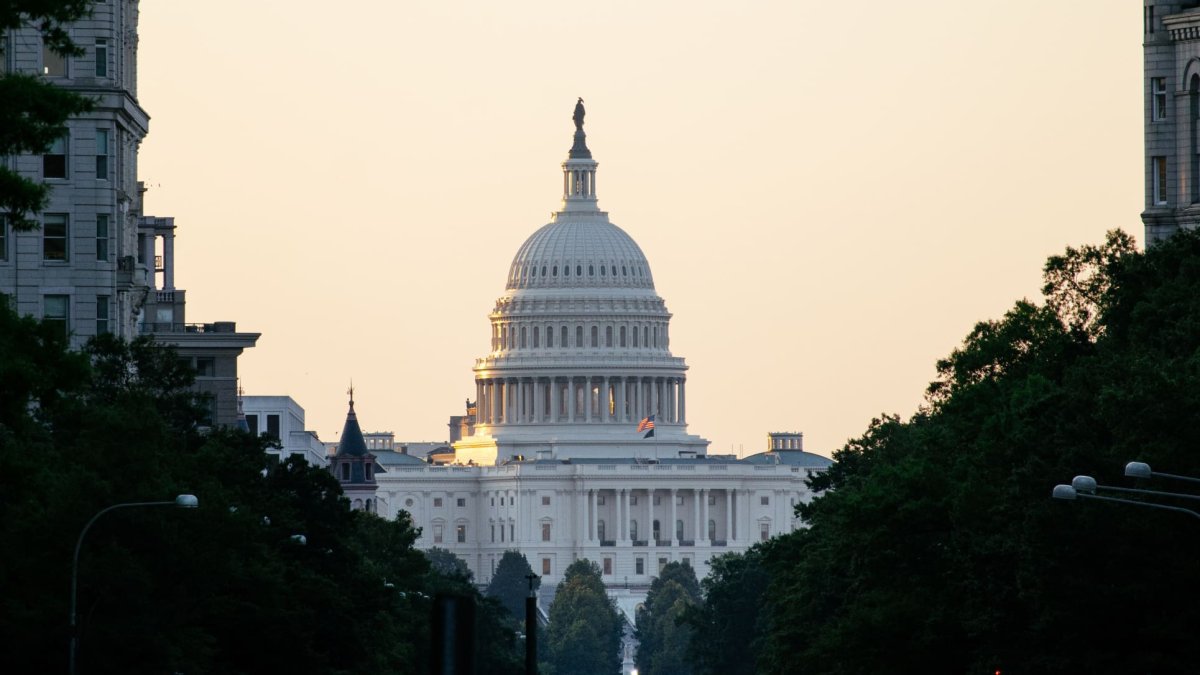
The US elections have significantly changed the political landscape. The Democrats have won a majority in both the House of Representatives and the Senate. Nevertheless, the crypto sector sees new opportunities. According to the advocacy group Stand With Crypto, hundreds of elected politicians are positive about digital currencies, while several election results remain uncertain.
More than a week after the U.S. midterm elections, fourteen election results had still not been definitively determined as of November 11.
According to Stand With Crypto, the new House of Representatives at that time had 246 elected politicians who support the crypto sector, compared to 107 opponents. In the Senate, there were fifty supporters and 33 opponents.
These are assessments by the advocacy organization itself. They do not mean that all these politicians will automatically vote for the same crypto laws. Crypto-focused campaign organizations have also spent money in some undecided districts.
In Alaska, Republican Nick Begich received support worth over $508,000 from Defend American Jobs, an organization affiliated with the influential crypto fund Fairshake.
The same organization spent approximately $150,600 on David Rouzer's campaign in North Carolina. In Louisiana, candidate Blake Miguez faces a runoff election against Democrat Chauna Banks on December 12. His campaign received $250,000 in support from Fellowship PAC.
According to Lindsay Fraser, Policy Director at the Blockchain Association, a key opportunity lies with politicians who have not yet taken a clear stance on crypto.
According to her, almost a quarter of the new Congress is made up of newcomers. Many of them have hardly delved into blockchain technology and the associated legislation.
The Blockchain Association therefore intends to hold meetings with newly elected politicians in Washington in January.
Fraser also argues that age may be more important than party affiliation when it comes to attitudes toward crypto. According to her, politicians under the age of 55 are, on average, more open to the sector. This is her assessment, not an established correlation.
The Democrats' election victory could have implications for U.S. crypto legislation. From January, the party will have more influence on the agenda of both chambers. At the same time, there are politicians within both the Democratic and Republican parties who advocate clearer rules for digital assets. The crypto sector is therefore already looking ahead to the 2028 presidential election.
Fraser hopes that by then, candidates from both major parties will have a clear and well-considered position on crypto, so that policy becomes less dependent on a single election outcome.
For the time being, the composition of the new Congress remains particularly important. Only when all the results are finalized will it become clear how many elected politicians support the sector, according to Stand With Crypto.