
S&P 500 officially in correction: Has the AI bubble burst?
The S&P 500 is officially in correction following sharp price declines. Concerns about a possible AI bubble are also affecting tech stocks and Bitcoin globally.
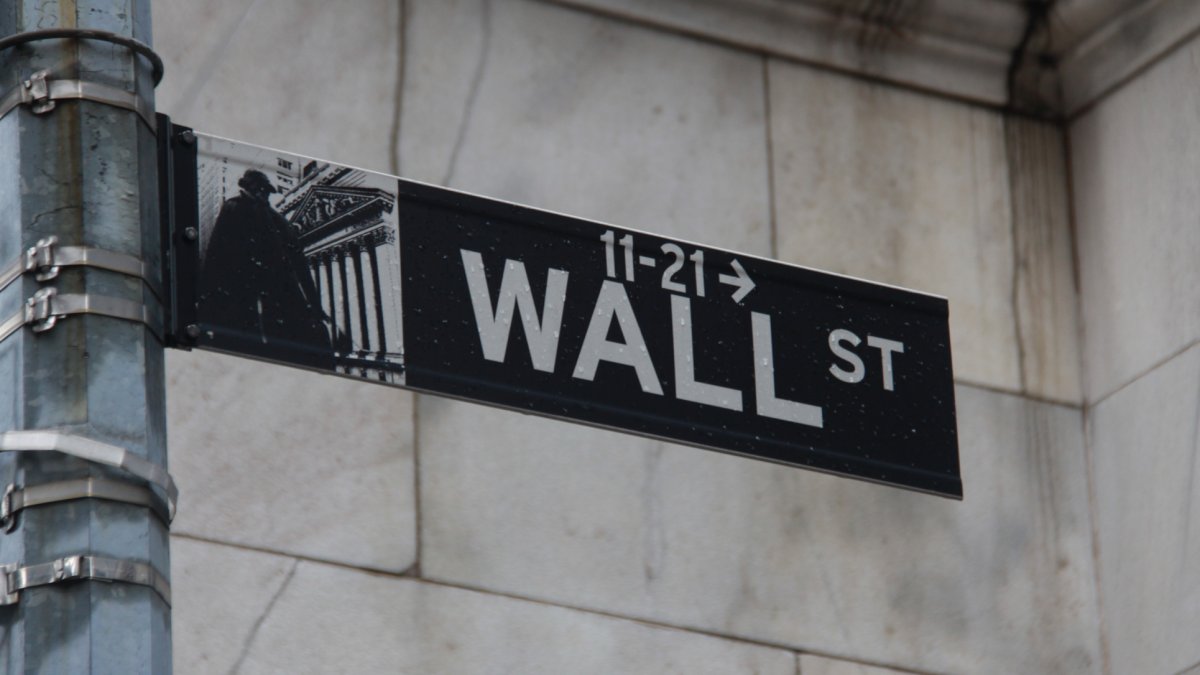
The U.S. stock market fell sharply again on Friday. The S&P 500 lost two percent and is now 10 percent below its record high. This means that the stock market index has officially entered a correction phase. Technology stocks, in particular, are under heavy pressure due to growing concerns about a possible AI bubble. The crypto market is also being affected, with the Bitcoin price falling below $60,000.
The wave of selling on Wall Street continues. The S&P 500, which includes five hundred major U.S. companies, lost two percent on Friday. Since its last record high, the index has thus fallen by ten percent. In the financial markets, such a decline is referred to as a technical correction.
Technology stocks, in particular, took a heavy hit. The Nasdaq 100, which includes many major U.S. technology companies, fell by as much as 3.9 percent on Friday.
The turmoil also spread to other markets. Investors sold off stocks en masse and sought refuge in assets such as U.S. Treasury bonds. Gold, silver and cryptocurrencies also fell in value. Bitcoin (BTC) even fell below the $60,000 mark on Friday.
The biggest concerns are currently focused on the technology sector. Large companies have invested hundreds of billions of dollars in artificial intelligence in recent years, but investors are beginning to wonder whether those huge expenditures will ultimately generate sufficient profits.
This uncertainty was heightened this week by the IPO of Anthropic, the company behind the chatbot Claude. The long-awaited IPO attracted a lot of interest on Thursday, but failed to restore confidence in tech stocks. On Friday, Anthropic's share price fell by fourteen percent on its second day of trading.
According to Adam Turnquist of LPL Financial, this demonstrates how cautious investors have become. According to him, even a successful IPO of a major AI company is not enough to restore confidence in the sector.
Other analysts are also seeing concerns grow. Richard Saperstein of Treasury Partners states that investors are factoring in slower growth in the AI sector. The construction of data centers may slow down, while companies may find it more difficult to finance their huge investments.
In addition, the U.S. Federal Reserve may raise interest rates further. This makes borrowing more expensive, especially for tech companies that need a lot of money to expand their AI projects.
The question now is whether the stock market has reached its low point. According to Chris Senyek of Wolfe Research, prices could fall further in the short term. In addition to concerns about AI and U.S. interest rates, the conflict with Iran is also creating uncertainty.
Nevertheless, some analysts see the decline as a potential opportunity. Mark Hackett of Nationwide believes that a final major wave of selling could lay the groundwork for a more sustainable stock market recovery.
Bret Kenwell of the eToro trading platform also points out that the financial performance of US companies remains fairly strong for the time being. According to him, investors who invest for the long term can benefit from the lower share prices, although they must take further fluctuations into account.
Well-known investor Michael Burry, who previously successfully speculated on the U.S. housing market crisis, has now sold half of his put options on Nvidia and the VanEck Semiconductor ETF. These options allow investors to profit from falling prices.
For now, U.S. interest rates, high investments in AI, and uncertainty about future profits remain the main concerns on Wall Street.