
Rockets hit Aramco headquarters, Iran deliberately keeps oil price high
Iran is deliberately keeping oil prices high with new attacks near Hormuz. Now a Houthi missile has also hit Aramco. How far will Tehran go?
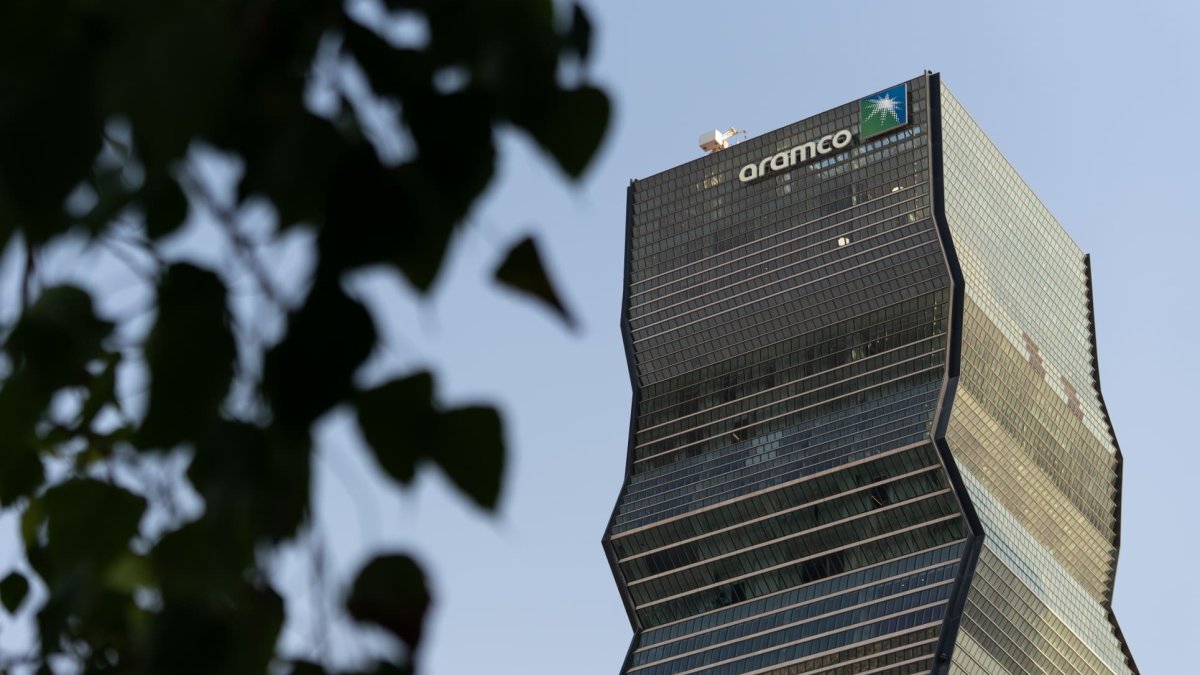
The headquarters of the Saudi state oil company Saudi Aramco was hit yesterday in a rocket attack by the Houthi rebels from Yemen. The attack on Aramco comes at a time when the oil supply is already under pressure from both sides. And according to Iranian officials, this pressure on the oil price is a deliberate policy.
A missile struck an Aramco office complex in Dhahran, on the east coast of Saudi Arabia. According to the Saudi Ministry of Energy, a limited fire broke out, but no one was injured.
Dhahran is the heart of the Saudi oil economy. The country's largest oil fields are in the surrounding desert and in the Persian Gulf.
Other cities were also targeted: the Saudi coalition fighting the Houthis in Yemen intercepted missiles aimed at the capital Riyadh, Kharij, and Haradh, among others. Debris from an interception landed in a residential area in Dhahran.
The attacks continued today, in a wave of violence that has claimed the lives of at least 18 people since last week. Prior to that, oil infrastructure had already taken a hit: a refinery in Jazan is idle and a major export pipeline was temporarily shut down last month.
US President Donald Trump yesterday accused the Iran-backed Houthis on social media of pushing up the price of oil on Tehran's behalf. That should happen just before the US midterm elections on 3 November.
That accusation has not been confirmed, but Iran says it is openly pursuing the same goal elsewhere. Two senior Iranian officials told Reuters anonymously that Tehran has been using new tactics against ships in the Strait of Hormuz for about ten days.
Before the war, about a fifth of the global trade in oil and liquefied natural gas passed through that narrow strait between Iran and the Arabian Peninsula. One of the officials left little to the imagination.
Just when they think they are getting close to the point where prices will drop, we push them away from it again. This is a game of chess.
This is already reflected in the figures. The attacks on merchant ships are at the highest level since the beginning of the war, according to independent data, with at least five incidents in the last 48 hours.
That adds fuel to the fire of an already tense market. Brent, the international indicator for crude oil, has been trading at or above $100 per barrel for more than a month and that increases global inflationary pressure.
More expensive oil has an almost immediate effect on inflation figures, via the price at the pump and the energy bill. But the real risk is a little deeper.
Whether the higher prices also seep through shows the core inflation. That's inflation without the floating prices of energy and food. That measure shows whether companies pass on their higher costs in other products and services.
For the time being, that effect is manageable. New information will follow this afternoon at 14:30 Dutch time, when the United States publishes the consumer price index (CPI) for September.
A lot is at stake for Trump, too. The war with Iran is costing the United States about 3 billion dollars a month, totaling over 20 billion dollars since the end of February, and has become a major theme in the election campaign.
Trump said last week that he would not attack Iran again before the ballot. Tehran uses those 20 days to extend its reach to the Gulf of Oman and beyond. “It's going to be a full shutdown soon,” one of the Iranian officials said.