
Leios scaling threatens Cardano stability unless fast path passes
Kevin Hammond’s proposed emergency exceptions would retain governance approval, while the current constitutional draft still forbids the required zero setting. Read the full story on CryptoSlateUnderstand the crypto stories that matter and what to watch next. Get The Catalyst in your inbox
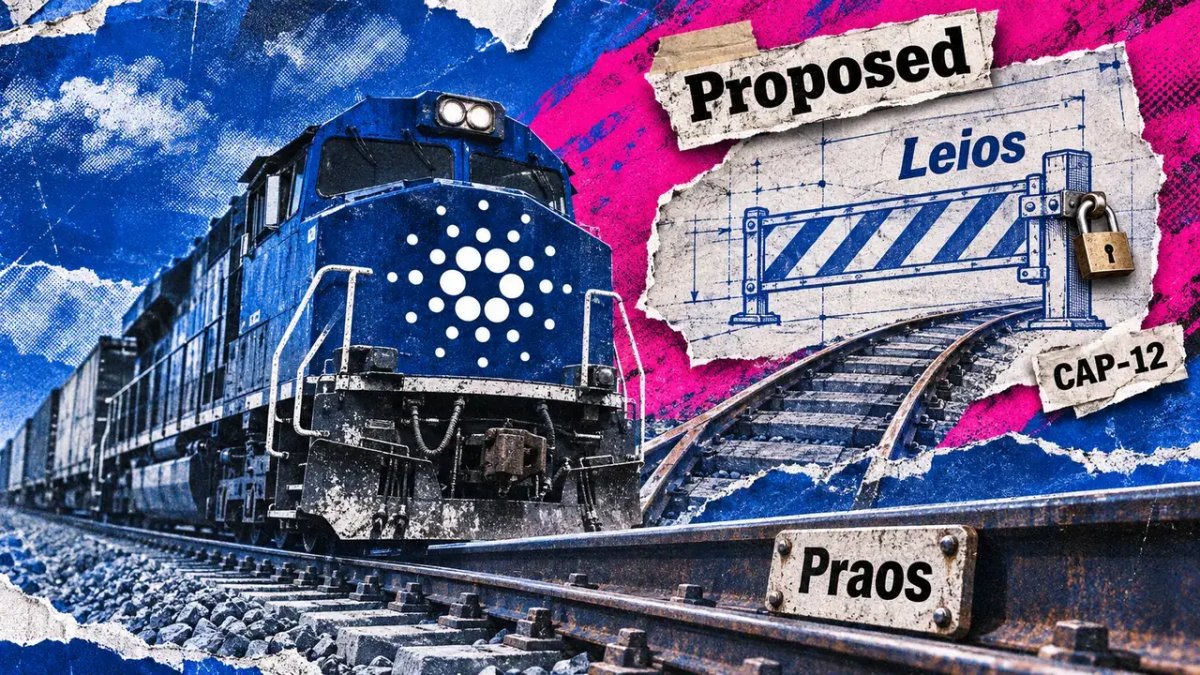
Cardano could give governance a faster way to disable its proposed Leios scaling system during a serious network problem while keeping restarts under normal approval rules.
A Nov. 6 proposal from Kevin Hammond would relax notice and frequency limits for emergency deactivation, without removing the votes or enactment steps needed to change the protocol.
Hammond set out the approach in the Cardano Amendment Proposal 12 (CAP-12) technical discussion, calling it a proposed Technical Steering Committee position ahead of a Nov. 18 review. CAP-12 is a proposed constitutional amendment setting limits for Dijkstra-era protocol parameters.
CAP-12 version 5, which remained open on Nov. 8, prohibits zero-valued Leios parameters, and Hammond’s network-wide shutdown route would use one.
The proposed switch is intended to disable Leios’s additional transaction-processing path while preserving ordinary block production. It would set maxEndorserBlockTxsSize, the limit on transaction payload endorsed by a supplementary block, to zero.
These endorser blocks reference additional transactions, which enter the chain after certification and inclusion of the certificate in a later ranking block.
For a Severity 1 or Severity 2 network issue, Hammond’s fast path would waive the PARAM-04a notice requirement and permit the transition to zero in any epoch.
Switching Leios back on would follow the normal process and remain subject to the network-group frequency limit.
Hammond said ratification and enactment would still take at least one epoch boundary, describing a boundary the action must pass.
CAP-12’s analysis says Leios parameter changes require delegated representatives, the Constitutional Committee and a stake-pool-operator vote. Hammond separately distinguished that governance-controlled protocol switch from an operational switch based on ad-hoc operator participation.