
JPMorgan disappoints with quarterly figures: what does this mean for the stock market?
JPMorgan disappoints with quarterly figures. What does this mean for the earnings season and expectations for the US stock market?
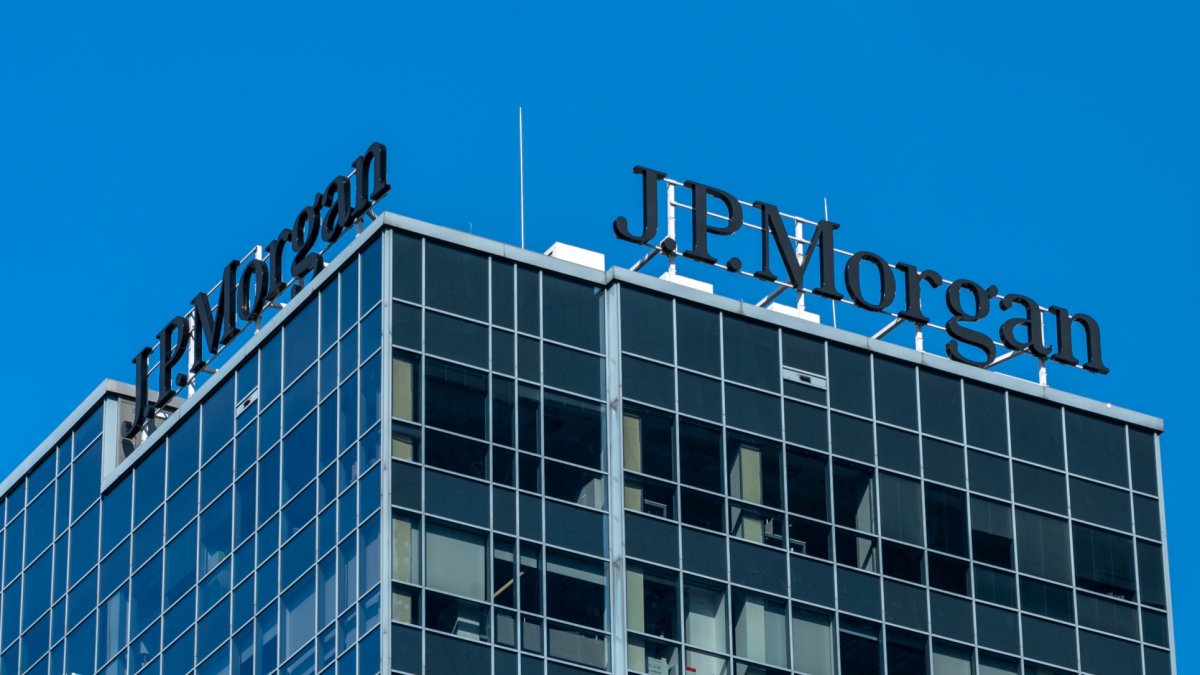
The American numbering season has begun and the first major setback is immediately a fact. JPMorgan Chase, the largest bank in the United States, announced its quarterly results on Tuesday. Although profits and sales have risen sharply, results have fallen short of analysts' expectations. Investors initially reacted disappointed. The figures also give a first impression of what an exciting numbering season can be.
JPMorgan earned $15.3 billion in the third quarter, up from $14.4 billion a year earlier. Turnover also increased by eight percent to more than 50 billion dollars. At first glance, these are excellent results, but on Wall Street it is mainly about whether companies perform better than expected.
And JPMorgan couldn't do that. Analysts had expected a higher profit and turnover. Especially the declining activity at the investment bank caused disappointment. This part earns money by guiding companies in, for example, IPOs and acquisitions.
Those activities still delivered more than a year ago, but declined compared to the second quarter. A loss of hundreds of millions of dollars on investments also depressed profits.
JPMorgan's share initially fell by more than three percent in trading before the opening of the US stock exchange. Later, the stock recovered, showing how quickly investor sentiment can shift.
Nevertheless, the figures also contain positive news. American consumers continue to spend plenty of money. JPMorgan customers used their credit cards to spend about nine percent more than a year ago. Income from loans and the bank's trading activities also grew.
This indicates that the US economy remains quite strong for the time being, despite high interest rates and persistent inflation.
CEO Jamie Dimon also sees that the US economy remains resilient. According to him, solid business investment and sustained consumer spending ensure that the economy continues to grow.
At the same time, he warns that various risks are piling up. For example, he is concerned about the high US government debt, persistent inflation, rising interest rates and high valuations in the stock market.
That combination is especially important. Higher interest rates make it more expensive for companies and consumers to borrow money. At the same time, high stock prices can become vulnerable when the economic outlook deteriorates.
Moreover, a higher interest rate is not exclusively positive for banks. They can earn more on loans, but may also have to pay more interest to savers. In addition, existing bond investments may decrease in value.
Dimon's warnings are getting extra attention because JPMorgan, as the largest US bank, has a good picture of the financial health of companies and households.
JPMorgan's quarterly results mark the start of an important period on Wall Street. In the coming weeks, hundreds of US listed companies will announce how much they have earned and what they expect from the coming months.
The bar is particularly high. US equities have benefited from strong business results and optimism about artificial intelligence (AI) in recent quarters. As a result, investors have become accustomed to companies that exceed expectations.
That makes the current number season extra exciting. Even companies that see their profits grow strongly can be penalized when the results are less good than hoped for. JPMorgan shows how that works.
According to Bank of America strategist Savita Subramanian, it is no longer just about the current profit figures. Investors mainly want to know whether companies can maintain their strong growth in 2027.
This is especially true for large technology companies such as Microsoft, Amazon, Meta and Google. They invest huge amounts in AI, but investors want to see clearer evidence that those investments actually yield extra profits.
Strong sales growth alone may no longer be sufficient. Companies will also have to explain how they can further improve their profitability in the coming years.
In addition, economic conditions are becoming more challenging. The US central bank raised interest rates in September and bond yields have risen sharply. This makes it more expensive for companies to finance investments.
Geopolitical tensions and higher energy prices can also put pressure on profitability. This means that investors are likely to take an extra critical look at the expectations that companies are issuing for the coming months this fiscal season.
Attention is now shifting to other major US banks, including Goldman Sachs, Citigroup and Wells Fargo. Their results should clarify whether JPMorgan's disappointing figures stand on their own or whether there are broader issues in the financial sector.
Later in the earnings season, the big tech companies follow suit. In particular, their statements about AI investments and earnings expectations for 2027 can determine the further development of the US stock market.