
Google AI spots high blood pressure using ordinary watch sensors
A 196-person Nature study points to passive screening potential, but roughly one-third of hypertension cases went undetected. Read the full story on CryptoSlateUnderstand the crypto stories that matter and what to watch next. Get The Catalyst in your inbox
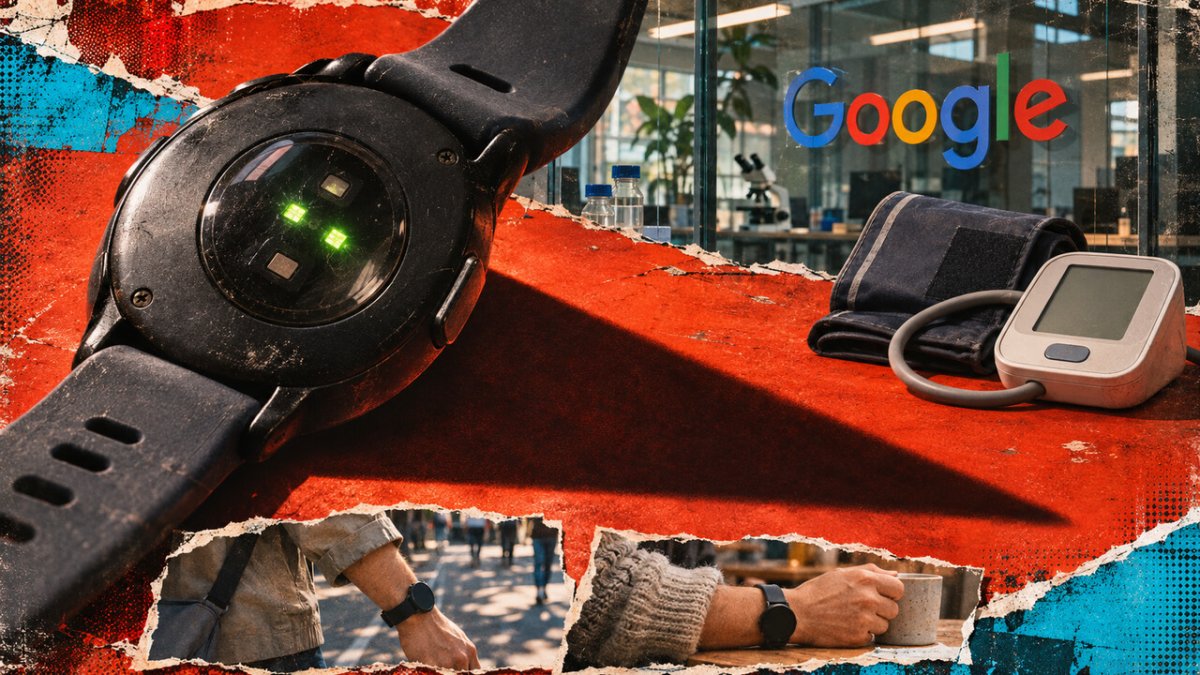
Google researchers and medical collaborators have used ordinary smartwatch signals to flag possible high blood pressure without calibrating the watch against an arm cuff.
A study published in Nature on Nov. 5 suggests a way to prompt clinical checks during everyday wear, although the system missed about 33% of hypertension cases.
The AI identified 65.8% of participants with hypertension according to a clinical reference test (sensitivity), while it correctly screened 90% of those without the condition as negative (specificity).
The prospective, multicenter study followed 196 participants through seven days of smartwatch monitoring and compared results with 24-hour ambulatory blood-pressure monitoring. Participants had no known cardiovascular disease and were not taking blood-pressure medication, limiting how far the findings extend to people already receiving treatment.
The 95% confidence intervals were 54% to 76.3% for sensitivity and 83.2% to 94.7% for specificity.
The system, called AI-PPG-ACC-HTN, combines optical pulse-wave measurements with accelerometer signals.