
Gasoline price skyrockets, record level back in sight
The price of petrol is approaching the record due to higher oil prices and transport costs. The war in the Middle East is also driving up the price.
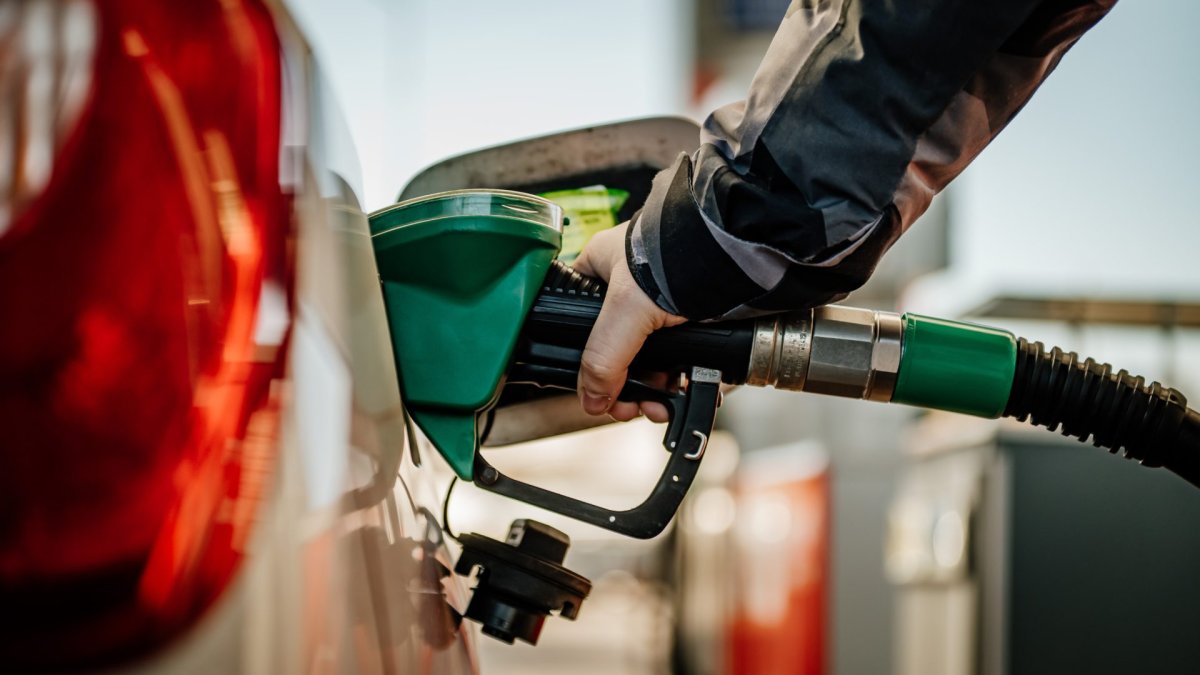
Motorists in the Netherlands are increasingly feeling the effects of the war in the Middle East at the pump. The price of petrol has risen sharply again and is now dangerously close to the record level. At the same time, the costs of oil, refining and transport continue to rise.
The average recommended price for Euro95 rose by 1.3 cents to 2.714 euros per litre on Thursday. This means that the historic record of 2,730 euros per litre is only 1.6 cents away.
The new figures come from consumer platform UnitedConsumers. The increase is striking, because the price of petrol had just fallen a bit last week.
A major cause is the ongoing unrest in the Middle East. The disruptions do not only affect the oil price. The transport of crude oil by sea has also become much more expensive.
According to ing economist Rico Luman, the demand for oil tankers has increased sharply in recent times. A protected corridor through Omani waters allows for more export of crude oil. As a result, the number of ship movements is also increasing.
“The opening of a protected corridor by Omani waters enables additional exports of crude oil and more ship movements, but also puts further pressure on the already overstretched market,” says Luman.
This results in extreme prices in the tanker market. An oil tanker currently costs an average of about $500,000 per day. According to Luman, that's about ten times the average of last year.
These higher transport costs ultimately affect the price paid by Dutch motorists at the pump.
Oil prices also continued to rise on Thursday. That happened after it became known that the White House had asked the Pentagon to work out possibilities for attacks on Iran.
Developments are increasing uncertainty around global oil supply. The Middle East plays an important role in the production and transport of oil. As a result, new disruptions can quickly have an impact on international energy prices.
In addition, the margins of oil companies play a role. Especially in refining, those margins are high. This also contributes to the higher price of petrol.
Diesel stayed out of the new price increase on Thursday. The average recommended price remained at 2.725 euros per litre. Diesel is currently even slightly more expensive than petrol.
That difference is related to the relationship between supply and demand. In some regions, the demand for diesel is greater than what refineries can supply.
The amounts mentioned are recommended retail prices. These are mainly counted at the more expensive petrol stations. As a result, motorists do not have to pay 2,714 euros for a litre of Euro95 everywhere.
According to ACM, if you compare prices and move to a cheaper filling station, you can save around 12.50 euros on a full tank.
With an average recommended retail price of 2.714 euros, the difference with the record from September is now very small. At the time, Euro95 reached an average recommended price of 2.730 euros per litre.