
Elon Musk thinks SpaceX could be worth $100 trillion in 10 years
SpaceX could go 50x upside down in 10 years, according to Elon Musk. However, there are a lot of ins and outs to that story. Here's what you need to know.
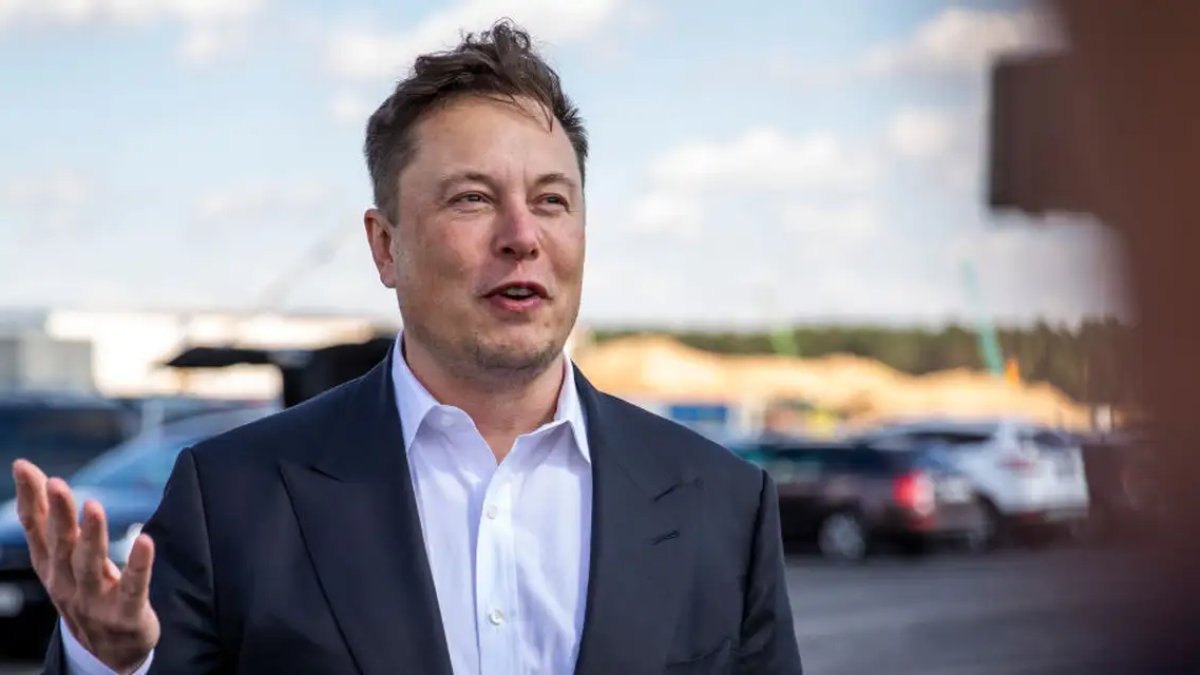
Elon Musk thinks SpaceX could probably be worth more than $100 trillion in a decade. That's an extremely ambitious prediction. Based on the current market value of about 2.07 trillion dollars, SpaceX would have to be almost fifty times larger.
Musk did make one important comment. A major world war could thwart that scenario.
The ruling came after investor Ron Baron predicted that SpaceX could eventually become worth $20 to $50 trillion. Baron bases that mainly on Starlink.
He thinks that the satellite division alone can reach a valuation of 14 to 15 trillion dollars within ten years. According to him, Starlink's growth is also only at the beginning.
Even more ambitious is the idea of data centers in orbit around the earth. Baron thinks that this market could eventually grow several times larger than Starlink.
That's also a big part of Musk's long-term vision. SpaceX wants to use satellites and space infrastructure not only for communication, but ultimately also for AI computing power, industry and other commercial applications.
However, that future is far from proven. SpaceX warned in its own trade show documentation that orbital AI compute and industrial applications in space are still in the early stages and may never become commercially viable.
At the same time, investments are increasing rapidly. The AI division spent about $15.8 billion on infrastructure last quarter. SpaceX would also like to raise an additional $40 billion in debt for Nvidia chips.
This has made investors more nervous. SpaceX's five-year CDs spread widened to about 194 basis points, up from about 110 basis points in June.
To make Musk's prediction come true, SpaceX must become much more than a rocket company. Starlink must continue to grow enormously, orbital compute must work commercially and the debt must remain manageable.
The potential is huge, but the move from $2 trillion to $100 trillion calls for decades of near-perfect execution in just one decade.