
Binance can hold MEXC deposits even after the blockchain clears them
You can send crypto from MEXC to Binance, see that the transaction went through on the blockchain, and still be unable to trade with that deposit when you log in to Binance. That's what Binance told customers to expect while it reviews deposits from MEXC. Try to move money the other way, and Binance says… Read the full story on CryptoSlateUnderstand the crypto stories that matter and what to watch next. Get The Catalyst in your inbox
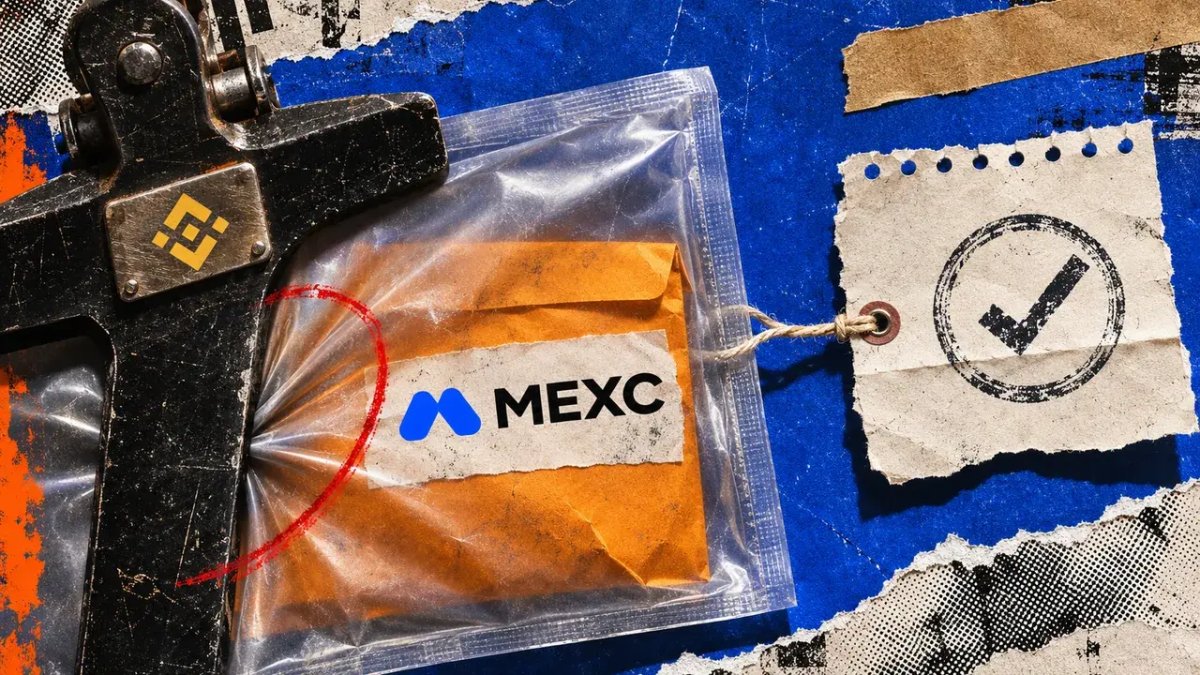
You can send crypto from MEXC to Binance, see that the transaction went through on the blockchain, and still be unable to trade with that deposit when you log in to Binance.
That's what Binance told customers to expect while it reviews deposits from MEXC. Try to move money the other way, and Binance says it'll refuse to send it in the first place.
The US order barring covered US financial institutions from sending or receiving funds involving MEXC takes effect Dec. 10, but Binance announced its policy a month earlier and cited the Treasury's finding.
MEXC can keep matching buy and sell orders in the markets it still serves, while one of the world's largest exchanges has already told traders it will restrict what they can move between the two.
On Nov. 6, the Treasury's Financial Crimes Enforcement Network (FinCEN) found that MEXC was a foreign financial institution of primary money laundering concern in connection with Russian illicit finance.
The agency acted under Section 9714 of the Combating Russian Money Laundering Act, and its order in the Federal Register prohibits transfers to and from MEXC through covered US financial institutions.
The prohibition has no scheduled end and covers MEXC's foreign operations and successor entities. It reaches crypto as well as conventional money, and FinCEN names Bitcoin explicitly.
Foreign financial firms can make dollar payments through banks that hold accounts with US banks, an arrangement known as correspondent banking.
FinCEN considered restricting those accounts but concluded that doing so would leave other kinds of transfers untouched. Instead, it chose to prohibit transfers that pass through a covered institution, even when MEXC has no account with the institution handling the payment.
Exchanges and payment providers outside that group may adopt their own restrictions, but those policies require separate confirmation.
FinCEN estimates that MEXC handled at least $16.7 billion in likely illicit activity in the five years through May 2026. The agency's figures include about $129 million it says MEXC directly facilitated with Garantex after the Russian crypto exchange was sanctioned, and about $4.1 million involving its successor, Grinex, after it too was sanctioned.
FinCEN also cites transfers linked to Iran and North Korea, along with proceeds from cybercrime. The agency acknowledges that legitimate customers use MEXC and says the financial risks it identified warrant restricting transfers involving the exchange itself.
In its Nov. 7 public response, MEXC said it was operating normally, and customer assets remained secure. It said it had opened an independent review of its anti-money-laundering and sanctions controls and intended to engage with regulators.
Reports noted net outflows from tracked MEXC wallets after the announcement.
Related ReadingBinance can refuse to send a withdrawal because it controls the account the money would leave.
Yet, when crypto comes from another platform, the network can process the transaction without asking the recipient's permission.
FinCEN acknowledges that limitation in the order, and Binance's notice shows what the exchange can do once the funds arrive: it can withhold credit while it reviews the transfer and potentially restrict or close the customer's Binance account.
Any funds left at MEXC stay in that account unless the customer moves them separately.