
Germany moves to freeze Bitcoin for up to 180 days, even without access to private keys
An exchange could block withdrawals it controls under the Bundestag-backed bill, while serving an order on a self-custody holder would leave signing keys in place. Read the full story on CryptoSlateUnderstand the crypto stories that matter and what to watch next. Get The Catalyst in your inbox
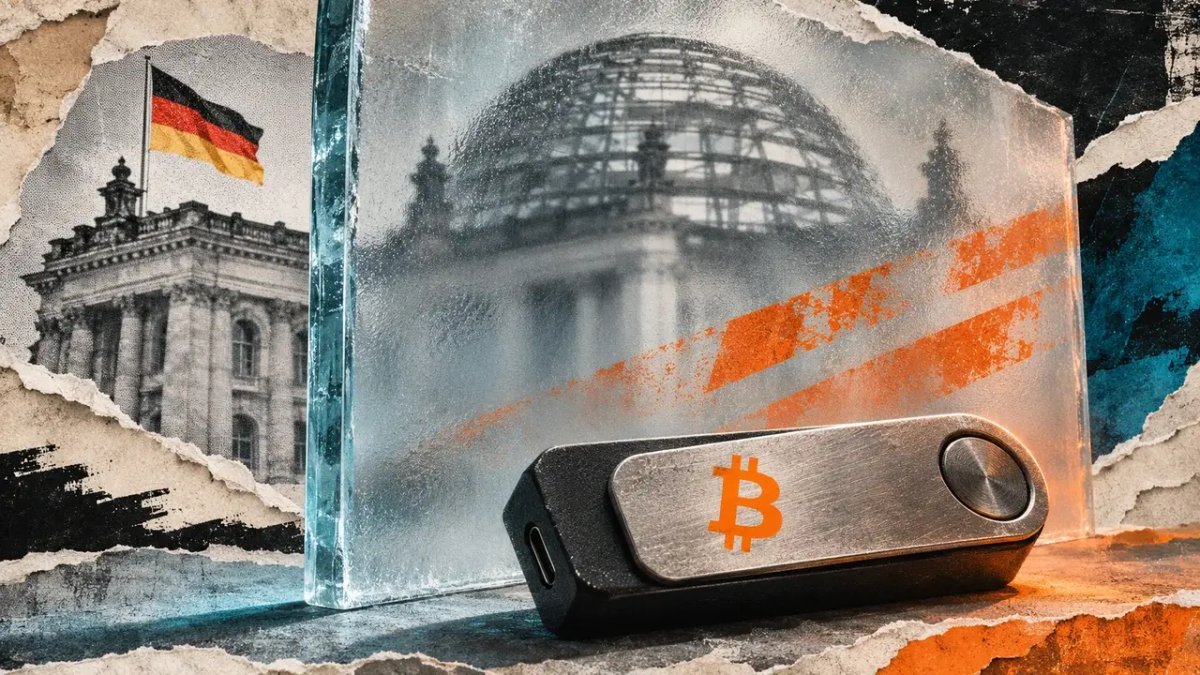
Germany's parliament has approved legislation allowing customs authorities to freeze suspicious crypto holdings, including assets stored in self-custody wallets.
The Bundestag passed the bill on Nov. 12, advancing a broader government effort to combat money laundering and financial crime by expanding authorities' powers to investigate assets of questionable origin.
Under the proposed legislation, German customs could temporarily freeze significant assets, including cryptocurrencies, when factual evidence raises doubts about their lawful origin.
The approved committee text identifies assets worth more than €100,000 as a general benchmark for significant holdings. Authorities could also combine closely connected assets when determining whether they qualify.
Related ReadingCustoms would initially have 30 days to investigate suspicious holdings, with a finance court authorized to extend the restriction by another 150 days if investigators demonstrate credible doubts about their origin and grounds for further investigation.
The legislation, however, has not completed its final approval process. As of Nov. 18, final consideration by the Bundesrat, Germany's chamber representing the states, and publication in the Federal Law Gazette remained outstanding.
The proposed rules could have different consequences depending on whether investors hold their Bitcoin through centralized exchanges or control their wallets directly.
For assets held on an exchange, German authorities could issue an enforceable attachment order requiring the custodian to restrict withdrawals from an affected account.
The mechanism draws on Germany's existing tax enforcement provisions, which allow authorities to prevent third parties from releasing assets subject to a legally enforceable attachment.
However, enforcing similar restrictions against self-custody wallets presents a more complicated challenge.
Unlike centralized exchanges, self-custody wallets allow users to control the private keys needed to authorize Bitcoin transactions without relying on a financial intermediary.
Germany's proposed framework addresses such holdings by treating cryptocurrencies as attachable property rights.
Under Section 321 of the German Fiscal Code, authorities can attach certain property rights without involving a third party by serving the holder with a legal prohibition on disposing of them.
Applied to eligible self-custodied Bitcoin, this could prohibit an owner from transferring the affected assets without automatically removing their ability to authorize blockchain transactions.
Consequently, an individual could remain technically capable of moving Bitcoin despite being legally prohibited from doing so.