
At the White House, crypto policy vacancy looms large
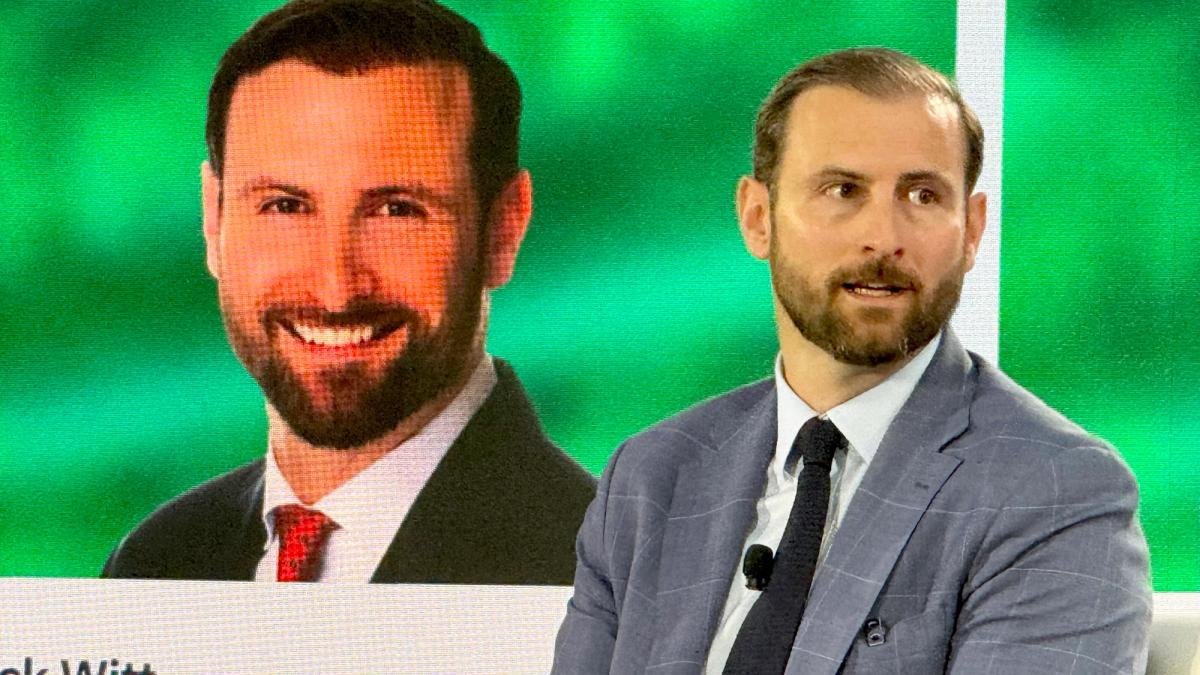
The departure of President Donald Trump's crypto adviser, Patrick Witt, leaves the digital assets office vacant and its policy aims uncertain.
When President Donald Trump returned to the White House last year, he not only shed his earlier resistance to crypto technology but embraced the industry with the hiring of a high-profile crypto czar and the establishment of his President’s Council of Advisors for Digital Assets.
Almost two years later, that policy push seems to have gone quiet for the moment, with the departure of Patrick Witt, who had been the final crypto adviser running that office. And when the president recently ushered in a new artificial intelligence czar, the job that was once split between crypto and AI seemed to have dropped its crypto remit.
So who is minding the store for crypto policy at the White House? It's not clear, even as a handful of people on Capitol Hill continue to suggest that the final weeks of the congressional session after the November elections could still see some legislative action for the industry. The White House still has a staff of policy advisers, and Trump's administration now boasts several crypto regulatory irons in the fire at agencies such as the Securities and Exchange Commission. But no new name has been explicitly attached to Trump's in-house crypto initiatives.
A White House official told CoinDesk on Thursday that Witt's work was appreciated and wished him "the best of luck in the future endeavors." The official didn’t comment on who would be taking over.
"Crypto and Clarity Act will continue to be a priority for the president," the official said.
The White House's digital assets policy work was never a large operation, but the advisers were highly vocal at times, and their presence could put an important administrative stamp on crypto goals. The effort began several weeks before Trump returned to office in 2025, when the president-elect named David Sacks, the former PayPal executive, as his incoming AI and crypto czar.
Trump also tapped a little-known former college football player, Bo Hines, to be the first director of the digital assets advisory council — at first a one-person effort, but eventually adding a deputy. Hines quickly became the crypto face of the White House, taking constant meetings with crypto insiders and appearing on event stages. And his brief tenure of about eight months concluded with a major win for the industry in Congress: the passage of the Guiding and Establishing National Innovation for U.S. Stablecoins (GENIUS) Act into law.