
Top Democrat among Senate investigators probes ties between Cantor Fitzgerald, Tether
As Democrats steadily rise in their potential to take back a Senate majority, Senator Richard Blumenthal is digging into Tether's U.S. financial partnership.
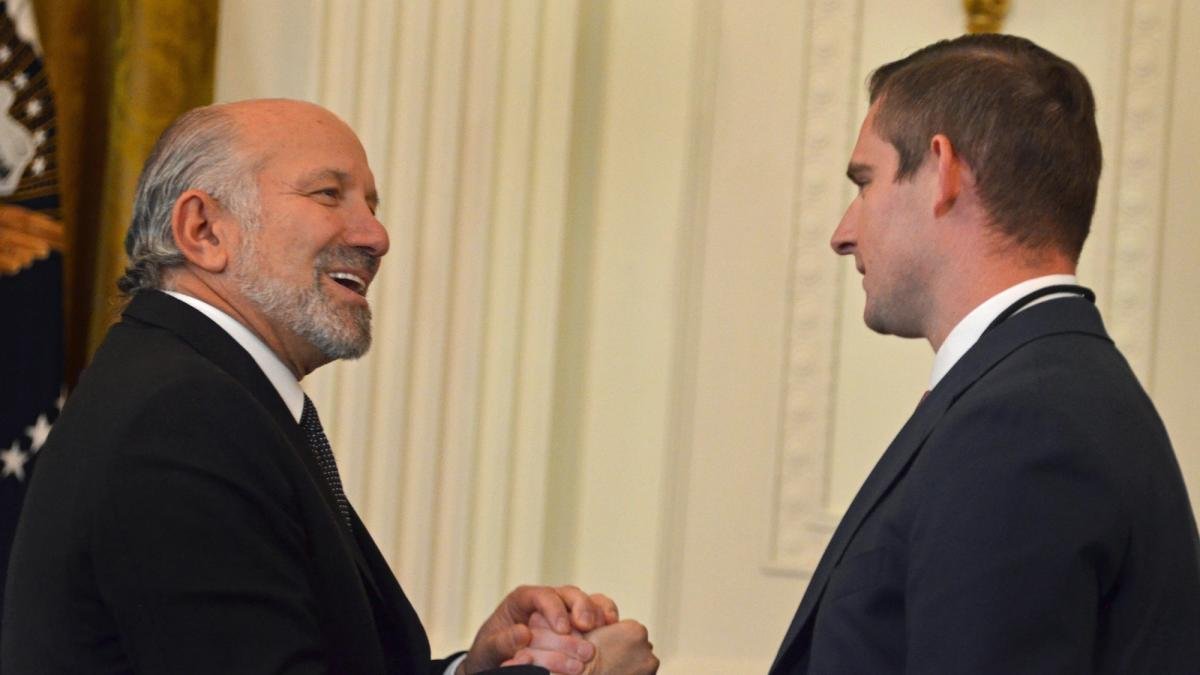
The top Democrat on the Senate Permanent Subcommittee on Investigations, Richard Blumenthal, is demanding answers about the ties between Cantor Fitzgerald and the worldwide leader in stablecoins, Tether. If Democratic momentum continues into the November election, he and his colleagues may soon have more authority behind such probes.
Blumenthal sent a letter Thursday to Cantor's CEO, Brandon Lutnick, the son of President Donald Trump's Secretary of Commerce Howard Lutnick, who handed the company reins to his son when he joined the administration. Blumenthal has been scrutinizing Tether's role in Iran's financial system, and he flagged the lucrative business connection between the issuer of USDT and the firm that handles its U.S. reserves, Cantor.
"Just as Tether has made untold millions in interest and investments from the stablecoins used in these illicit activities, so has Cantor Fitzgerald profited from its relationship with Tether," Blumenthal wrote, questioning Lutnick about his company's banking and sanctions safeguards and also his father’s history with Tether there.
"While Tether claims to operate out of El Salvador, the vast majority of its assets reside in the United States under your custodianship," the Connecticut lawmaker wrote. "As Congress considers how to best regulate digital assets, your partnership with Tether will provide important insights into the inner workings of this industry."
One of the letter's many requests: "Please describe all steps Cantor Fitzgerald has taken to investigate allegations that Tether’s stablecoin has been used in illicit finance and money laundering, including within Iran’s shadow banking network and for purposes of Russia sanctions evasion."
Neither Cantor Fitzgerald nor Tether immediately responded to requests for comment sent to their spokespeople.
While Blumenthal and other aggressive congressional critics of the crypto industry, such as Senator Elizabeth Warren, have suffered from a limited authority as members of the minority party, securing a Democratic majority for next year would change that. If they win several more seats in that chamber, they could find themselves atop committees with subpoena power to legally compel information and testimony.
As it stands, the prediction markets suggest that Democrats have a better-then-even shot at returning to the majority. Kalshi has it at 61% and Polymarket at 64%. That number was closer to 50-50 several weeks ago. And the picture in the U.S. House of Representatives is even more positive for Democrats, with both platforms showing the likelihood of a majority shift at more than 90%.