
Anthropic's IPO exposes the divide between Wall Street and Silicon Valley
The brand-new Anthropic share has already fallen by more than 20% since its peak. Is the largest IPO ever a sign that AI is peaking?
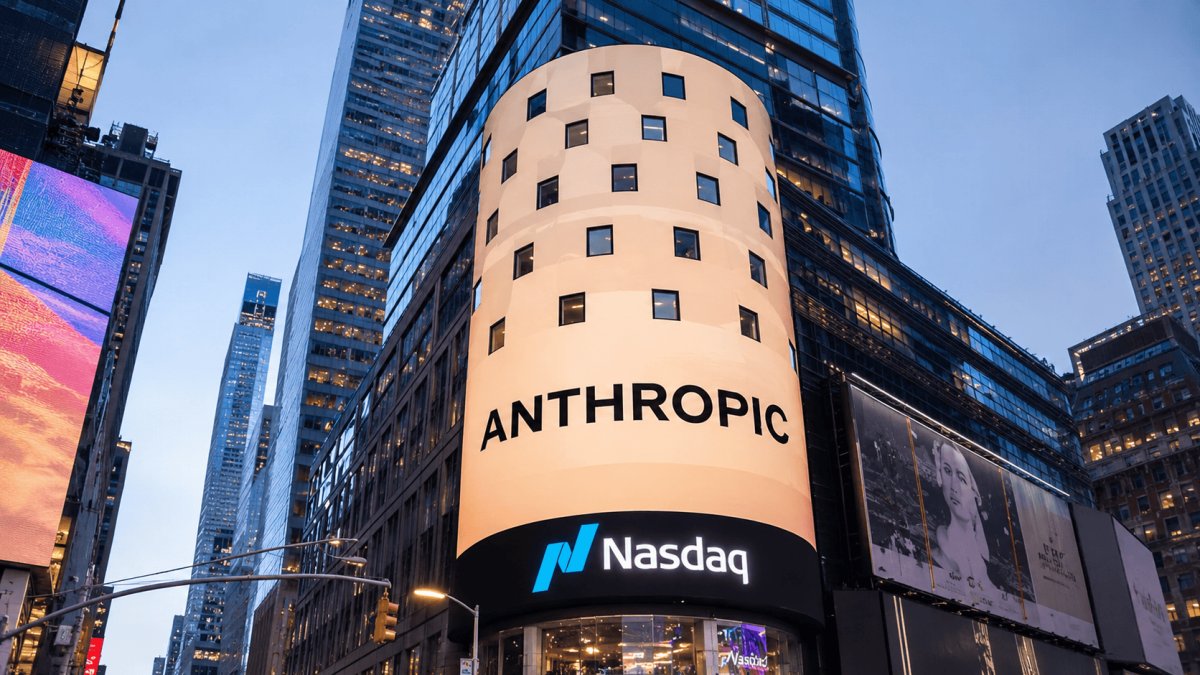
The IPO of Anthropic, the company behind chatbot Claude, made history last week. However, the stock has already fallen by more than 20 percent since its peak, while the entire tech sector is under pressure.
Wall Street and Silicon Valley largely agree on the potential of AI. What keeps investors awake at night is the question of whether and when the billions in investments will pay off, and Anthropic's record debut only fuels those doubts.
In an IPO, a company sells shares to the public for the first time. Anthropic raised around $107 billion, more than any company ever has.
The shares were priced at $83 each. Shortly after trading began on Thursday, the share price surged to $115, valuing Anthropic at over $2 trillion. By the end of the day, the price had already risen to $97.
On Friday, the share price even dipped back to the issue price for a moment, although it closed just under $89. In pre-market trading today, the stock is rising by more than 4 percent to almost $93.
Anyone who bought in on Thursday at the opening price of $111.50 is still significantly in the red. According to AI analyst Raphaëlle D’Ornano, this applies to many hedge funds, which are large investment funds that trade actively. They missed out on the shares during the IPO and only bought them later, at a higher price.
The biggest concern for investors is that artificial intelligence will become a bottomless pit for their money. AI models like Claude run in data centers – buildings filled with expensive computer chips that consume a lot of power.
Tech companies will collectively invest around $5 trillion in this infrastructure by 2030, estimates Michael Arougheti, CEO of asset manager Ares Management. Compare it to building a factory before you know how many customers will come: the costs are fixed, while the revenue is still in the future.
Anthropic is a good example of this. In the first nine months of this year, the company generated over $33 billion in revenue, more than thirteen times as much as a year earlier. At the same time, it has committed to around $901 billion in spending on computing power and data centers: more than 27 times that revenue.
Anthropic’s IPO only exacerbated that problem. Last month, SpaceX and Meta already raised tens of billions of dollars from investors to fund their AI plans. After that, Anthropic asked for another $107 billion, and that was too much for many investors.
Politics is not helping either. The Democrats won the midterm elections in the United States, and many of them are promising stricter rules for AI.
In addition, the money tap is being turned off more and more. Interest rates are already high, and investors expect further increases, while a strong dollar makes borrowing even more expensive worldwide. This hits AI companies hard, as they often build their data centers with borrowed money.
And then there is Nvidia, the largest chip supplier in the AI sector. CEO Jensen Huang suddenly left, after having been the face of the company for 33 years. Nvidia also finances many other AI companies, and investors fear that this flow of funds will dry up.
On Friday, everything came together and “there was pure panic,” says D’Ornano. The Nasdaq 100 fell by 5.3 percent, its sharpest decline in over a year. Over the course of the week, the tech index lost 10.4 percent.
In Silicon Valley, the American heart of the tech world, the mood is quite different. This year, investors in young companies created nearly 200 new unicorns – start-ups valued at over $1 billion. According to data provider PitchBook, that is the highest number since 2021.
Hemant Taneja, CEO of tech investor General Catalyst, was particularly relieved that the share price remained above the issue price. He is already looking ahead: “I'm leaving here with the question: Who is the next group of founders with the same opportunity?”
On Wall Street, however, a warning is being sounded. “The old-fashioned way of looking at this is: this is the biggest IPO in history, late in the AI cycle. Psychologically, that could be a peak moment,” says Michael O’Rourke, Chief Market Strategist at JonesTrading.
By a peak moment, he means the point at which a rising market turns. Whether that time has come will soon also be noted by competitor OpenAI, which plans to go public no earlier than next year.