
A Solana wallet tested a fake address with $10, then sent it $30,750
Bitquery’s Solana research shows how a successful $10 test can precede a larger payment to the wrong recipient. The post A Solana wallet tested a fake address with $10, then sent it $30,750 appeared first on CryptoSlate.
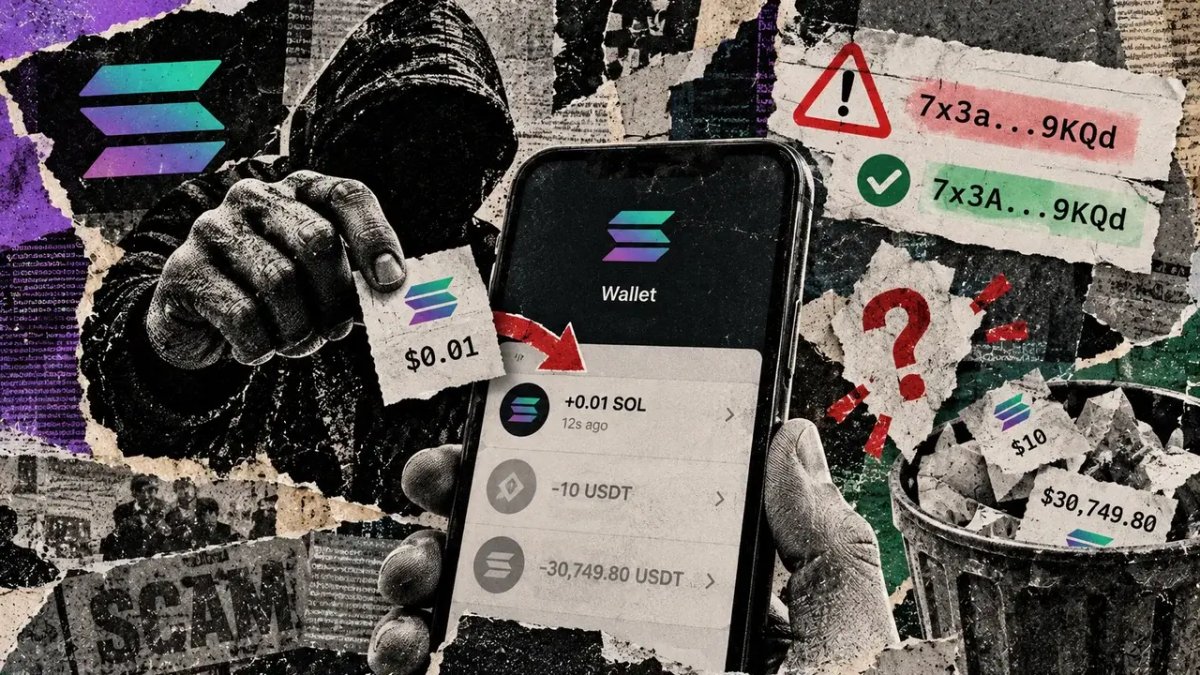
Lookalike payment addresses targeted nearly 4.5 million Solana wallets over 11 months, according to blockchain-data firm Bitquery’s Oct. 9, 2026 findings. The findings show why a successful small test transfer can still precede a much larger payment to a scammer.
The technique, known as address poisoning, plants a misleading entry in a wallet’s payment history. A tiny incoming transfer puts the sender’s lookalike address near a legitimate payment. If the user later copies that address, they can send money to the wrong recipient.
Related ReadingBitquery describes a Nov. 17, 2025 case in which a wallet first paid $10 in USDT to its Gate.io deposit address. A lookalike sent dust 12 seconds later. The wallet then sent a second $10 test to the fake, followed by 30,749.80 USDT to that same address.
The implication is that a successful test confirms delivery to the selected address, but cannot establish who controls it. If the destination was copied incorrectly, repeating the payment repeats the mistake.