
Strategy’s deployable cash falls 45% as buybacks outpace Bitcoin purchases
Strategy‘s deployable USD Cash fell 45.3% during the week ended Nov. 1, from $242 million to $133 million, as preferred-stock buybacks exceeded its Bitcoin purchases. That balance is available for broader treasury uses. Strategy also held a separate $4.79 billion USD Reserve intended for preferred-stock dividends and debt interest. The company bought 811 Bitcoin between… Read the full story on CryptoSlateUnderstand the crypto stories that matter and what to watch next. Get The Catalyst in your inbox
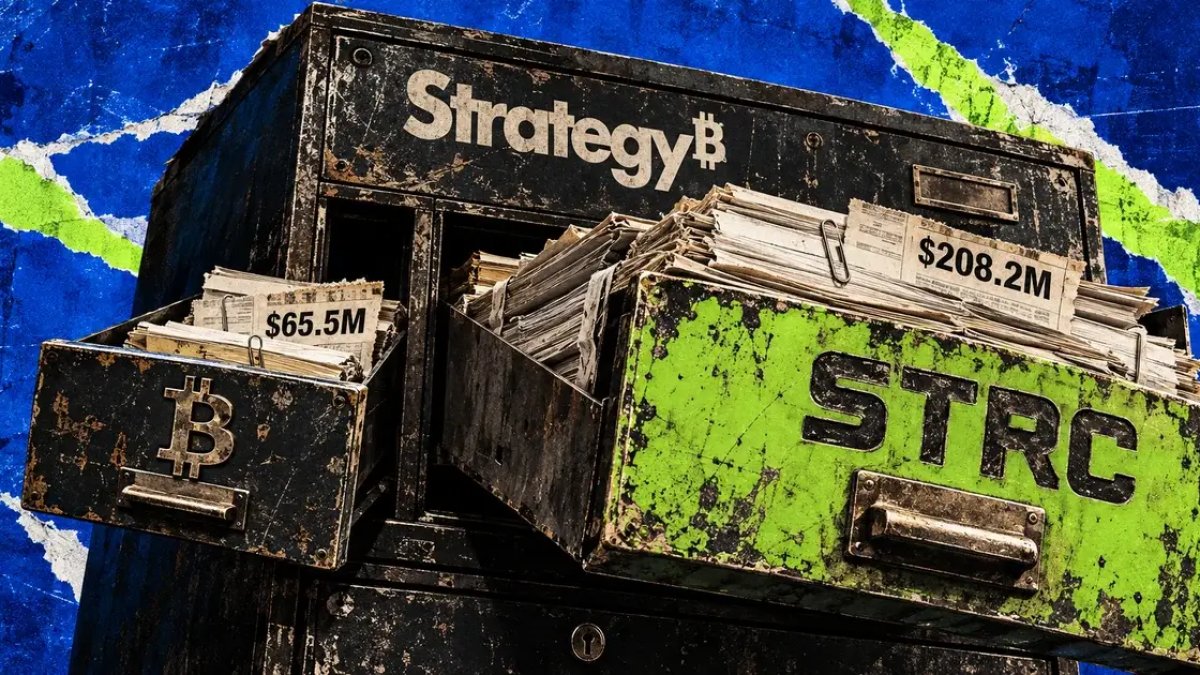
Strategy‘s deployable USD Cash fell 45.3% during the week ended Nov. 1, from $242 million to $133 million, as preferred-stock buybacks exceeded its Bitcoin purchases.
That balance is available for broader treasury uses. Strategy also held a separate $4.79 billion USD Reserve intended for preferred-stock dividends and debt interest.
The company bought 811 Bitcoin between Oct. 26 and Nov. 1 while setting another record for STRC preferred-stock buybacks.
The company spent approximately $66 million acquiring the cryptocurrency at an average price of $80,846 between Oct. 26 and Nov. 1, according to its Nov. 2 regulatory filing.
The purchase increased Strategy's holdings to 849,327 BTC, acquired for an aggregate $64 billion at an average price of $75,451 per coin.
The acquisition marked a return to larger Bitcoin purchases after Michael Saylor's firm suspended buying for a week while concentrating its spending on preferred-stock repurchases.
Strategy had acquired just 334 BTC, 250 BTC and 267 BTC in the first three reporting weeks of October, respectively. Its latest purchase was the largest since Sept. 28, when the company disclosed acquiring 1,665 BTC for approximately $143 million.
Strategy sold approximately 1,178,552 shares of its MSTR common stock through its at-the-market offering program, generating $164 million in net proceeds.
However, only $66 million, or about 40%, went toward purchasing Bitcoin. The remaining $99 million was allocated to the company's deployable USD Cash balance, which has come under pressure from its increasingly aggressive preferred-stock repurchase program.
The company did not issue any new preferred shares during the reporting period, leaving common-stock sales as its only source of fresh equity capital.