
Prediction markets promised better information and hired Hollywood
Sydney Sweeney is helping sell sports predictions, which is a pretty good indication that prediction markets have moved beyond the people who enjoy arguing about probability on the internet. Novig's Sept. 9 campaign announcement introduced the actress as a partner and equity holder in its sports-focused exchange. The campaign, called “Just Sports,” runs across digital, […] The post Prediction markets promised better information and hired Hollywood appeared first on CryptoSlate.
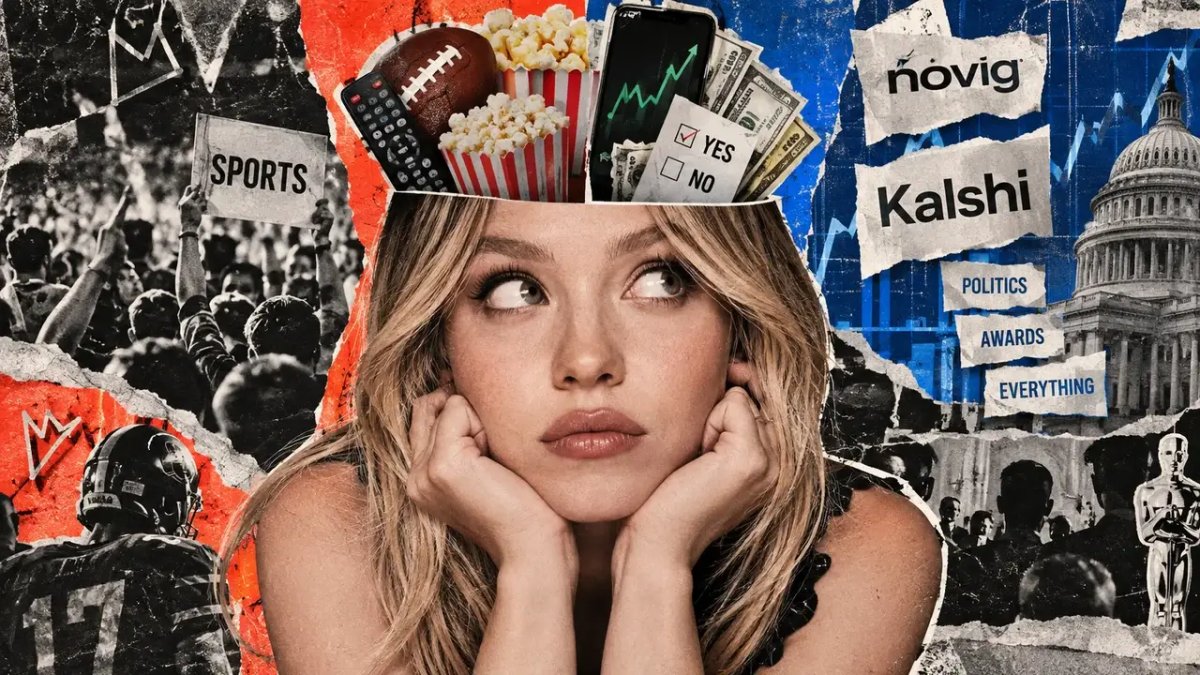
Sydney Sweeney is helping sell sports predictions, which is a pretty good indication that prediction markets have moved beyond the people who enjoy arguing about probability on the internet.
Novig's Sept. 9 campaign announcement introduced the actress as a partner and equity holder in its sports-focused exchange. The campaign, called “Just Sports,” runs across digital, social, video, and outdoor advertising through football season. It's designed to get people to notice an app, recognize the brand, and give it a try, which is exactly what hiring someone as famous and popular as Sweeney is supposed to do.
Without giving in to the controversy that surrounded the campaign, the next most interesting thing is what actually happens when users open the Novig app.
Prediction markets offer a place to turn something you already enjoy, whether that's football, politics, or arguing about who'll win an award, into something you can trade. Your attention becomes a potential edge, and your opinion gets a price.
That's a powerful pitch in a culture where everyone already spends hours keeping up with things. Maybe, just maybe, all that watching, scrolling, and arguing could finally pay?
The industry also sells a much bigger idea: bringing together people willing to risk money can produce better forecasts. That promise and the business of keeping people entertained can coexist, but they reward different behavior. Understanding that difference tells you more about prediction markets than any celebrity ad does.
The basic product is easy to understand. You buy a contract tied to an outcome, and in a standard yes-or-no market the winning contract pays $1. Pay 60 cents and hold it until the result, and you either make 40 cents or lose your 60 cents, before fees. CryptoSlate's guide to prediction markets and sports betting walks through the way they work.
The cultural appeal is just as simple. Most of us already have opinions we'd like some credit for having. We knew that team was overrated, that candidate couldn't win, that film would do well. Prediction markets essentially let you buy a small financial receipt for your judgment before the result is known.
They can also give ordinary leisure a second purpose. Watching a match becomes research, knowing the players becomes expertise, and checking an app becomes keeping up with your positions. That kind of vocabulary is flattering because it recognizes something fans already believe about themselves: they know more than the casual observer.
Sometimes they do. Someone who follows a sport closely can know things a casual viewer has missed. But knowing a lot about the subject and making money at the available price are separate skills.
Imagine buying ten contracts at 90 cents each. Eight win and pay $1 apiece. You've been right eight times out of ten, a result that would make you insufferable in a group chat, and you've still turned $9 into $8 before fees.
That difference is easy to lose when the product is introduced through familiar faces and familiar entertainment. The endorsement can make a platform feel approachable; it can't tell you whether the trade you're considering is worth its price.
The distribution now reaches well beyond individual celebrities. Kalshi's partnership with the NHL includes official data, league branding, and visibility during national broadcasts. Its CNN agreement brings market data into news programming and gives newsroom teams access to political and cultural probabilities.
Taken together, these arrangements place prediction markets on both sides of the viewing experience. They can be something you're invited to participate in during a game and something you're shown as evidence while watching the news.
There's a serious intellectual case for prediction markets. Economists Justin Wolfers and Eric Zitzewitz have studied how markets combine dispersed information into forecasts. Someone who thinks a contract is mispriced has a reason to put money behind that view, and the resulting trades can make the price much more telling.