
Nasdaq surges 3%: AI stocks make a spectacular comeback
The Nasdaq 100 is up 3 percent, and CoreWeave has surged 26 percent. Investors are regaining confidence in AI, despite concerns about interest rates.
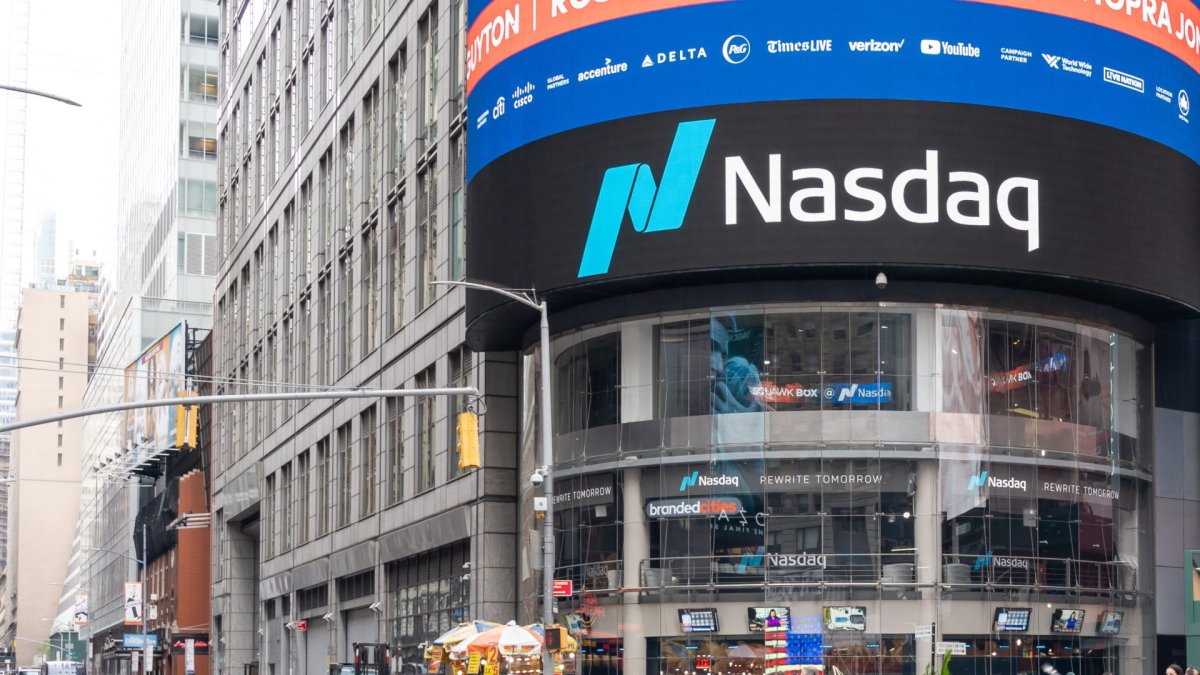
The U.S. stock market showed a strong rebound on Wednesday after Tuesday's losses. Technology stocks, in particular, are on the rise as investors regain confidence in the future of artificial intelligence.
The Nasdaq 100 is up by about three percent, and AI company CoreWeave has even surged by 26 percent. Nevertheless, the threat of higher US interest rates continues to loom over the market.
The recovery on Wall Street is largely driven by major tech companies. Chipmaker Nvidia is up about 4 percent, while CoreWeave is one of the most notable gainers, with a 26 percent rise in its share price. As a result, the Nasdaq 100 is heading for its highest level since the end of October.
CoreWeave's strong performance follows better-than-expected quarterly results. The company, which provides computing power to OpenAI, Microsoft, Meta, and others, raised its revenue forecast for the full year 2026 on Tuesday evening.
CoreWeave now expects annual revenue of $13 to $13.3 billion, exceeding analysts' expectations. The results show that demand for computing power remains high, despite concerns about high debt levels and billions in investments in data centers.
Other developments are also boosting confidence in the sector. For example, OpenAI generated $10 billion in revenue in the last quarter. In addition, interest in the planned IPO of competitor Anthropic is reportedly so high that investor demand exceeds the available supply of shares.
Optimism is not limited to the United States. European stocks are also benefiting from the improved sentiment and reached a new record on Wednesday.
Despite the strong stock market recovery, concerns about U.S. interest rates persist. Tuesday's inflation figures came in higher than expected, leading investors to anticipate further interest rate hikes by the U.S. central bank, the Federal Reserve.
Consumer prices rose by 0.4 percent in October compared to September, while economists had expected a 0.3 percent increase. Core inflation, which excludes food and energy, was also 0.3 percent higher than the expected 0.2 percent.
The disappointing figures led to a sharp rise in U.S. bond yields. This is particularly unfavorable for technology companies. They often invest billions in new technology and infrastructure, while the returns from these investments are not expected for years to come.
Higher interest rates make borrowing money more expensive and, at the same time, can put pressure on stock valuations. This is a significant risk, especially for companies that invest huge sums in artificial intelligence.
Therefore, the turmoil may also persist in the bond market. While investors are returning to equities on Wednesday, persistent inflation and the prospect of further interest rate hikes remain a source of uncertainty.
Despite the recent price declines, investors therefore continue to have confidence in the future of artificial intelligence. Many investors are taking advantage of the lower share prices to re-enter the market.
That pattern has been more evident on Wall Street this year. After sharp declines, tech stocks often recover quickly because long-term expectations remain positive.
The strong performance of U.S. companies is also boosting investor confidence. Many companies continue to grow and manage to maintain their profits despite the economic uncertainty.
However, it is expected that the enormous investments in artificial intelligence will grow at a somewhat slower pace next year. For the time being, however, interest in major tech companies appears to remain undiminished.