
Musk confirms: committees investigate SpaceX and Tesla merger
Elon Musk wants to merge SpaceX and Tesla. Both companies are investigating a historic merger, while investors are responding positively to the plans.
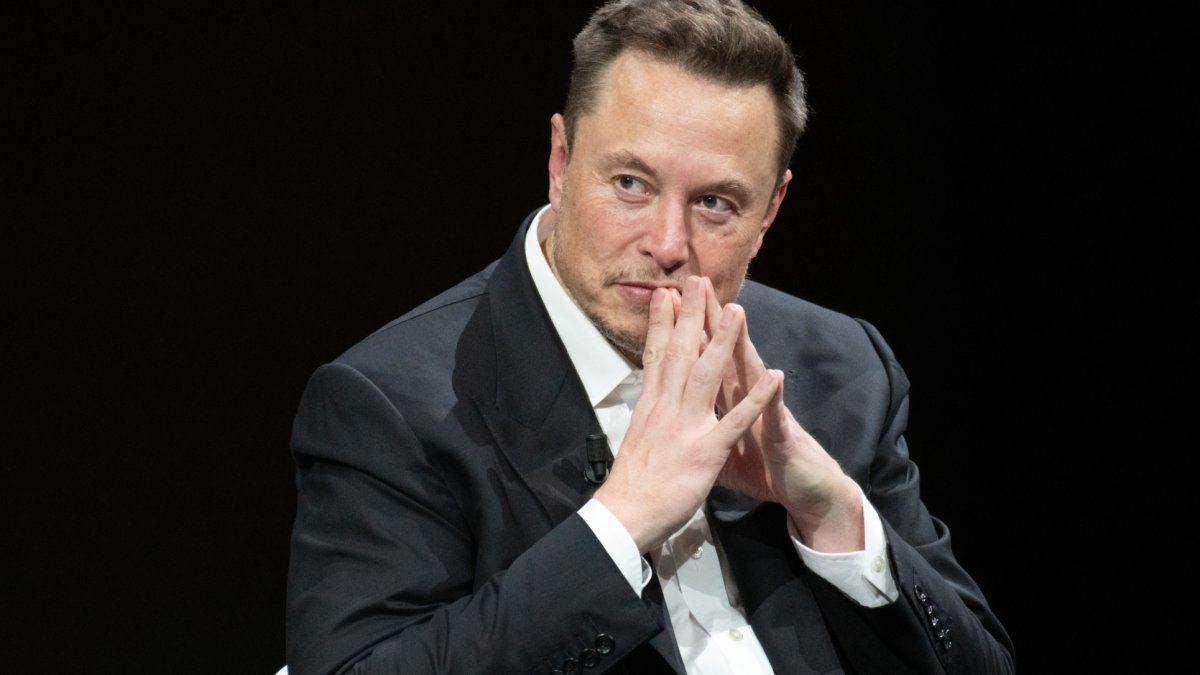
Elon Musk wants to merge SpaceX and Tesla into one giant company. During the explanation of SpaceX's quarterly results, he revealed that both companies have now established special committees to investigate a possible merger.
Together, the companies are worth nearly $3.5 trillion. If the plans go ahead, it would be the biggest merger ever.
During the explanation of the quarterly figures, Musk was asked whether SpaceX and Tesla might merge. He responded cautiously at first, but then revealed that both companies have already established special committees to investigate a merger.
Those committees consist of independent directors. Musk himself is not allowed to participate in the talks due to his interests in both companies. He was, however, clear about his own preference. When asked if he thinks a merger is a good idea, he answered: “Yes.”
According to Musk, a merger offers many advantages, although no agreements have yet been made about the conditions. It is also uncertain whether enough Tesla shareholders will support the plan.
Investors reacted positively to his statements. SpaceX stock rose 9 percent after Wall Street closed, while Tesla gained to 1.8 percent.
Together, the companies would form a technology giant that develops electric cars, batteries, rockets, satellites and artificial intelligence. According to Musk, the combination of AI with self-driving cars, human-like robots and data centers in space in particular offers great opportunities.
Musk's statements followed particularly strong quarterly figures. SpaceX posted a net profit of $4.4 billion in the third quarter. Analysts had expected only $1.88 billion.
Sales also exceeded expectations and grew by 161 percent compared to a year earlier.
Especially the AI division, which is now called Super Intelligence, grew explosively. Sales rose to 7.56 billion dollars, more than nine times as much as a year ago.
The component provides computing power and infrastructure to companies such as Anthropic and Google. In addition, SpaceX benefits from the growing demand for Grok, Musk's xAI AI model. In August, the company also acquired Cursor, the developer of a popular AI programming aid.
The AI division generated an operating profit of $431 million. A year earlier, the division still suffered a loss of $1.7 billion.
Chief Financial Officer Bret Johnsen expects SpaceX's total quarterly revenue to reach $37 billion in the first quarter of next year. To finance that growth, the company is talking to potential lenders.
Starlink also continues to grow. The satellite internet service had 13.6 million subscribers at the end of the third quarter. That was less than analysts had expected.
Nevertheless, revenue from connectivity activities rose by 69 percent to $5.25 billion. The growth is driven, among other things, by demand for internet on board aircraft and the military satellite service Starshield.
The rocket division grew considerably more slowly. Revenue from the development and operation of rockets and spacecraft rose by six percent to 1.77 billion dollars.
Musk, meanwhile, is focusing on Starship's next test flight, which is scheduled for next month. SpaceX wants to capture both the launcher and the spaceship in order to be able to use them again.
At the beginning of next year, the company will also try to refuel Starship in orbit for the first time. That technology is necessary for NASA's planned lunar missions.
Starship should eventually be able to launch larger Starlink satellites as well. According to SpaceX CEO Gwynne Shotwell, the demand for satellite internet will increase sharply due to the further development of self-driving cars, robots and artificial intelligence.