
Microsoft unveils Project Helix: Xbox that also runs PC games
Microsoft reveals new details about Xbox Project Helix, which combines PC games and console games. New opportunities and possibilities may arise for blockchain games.
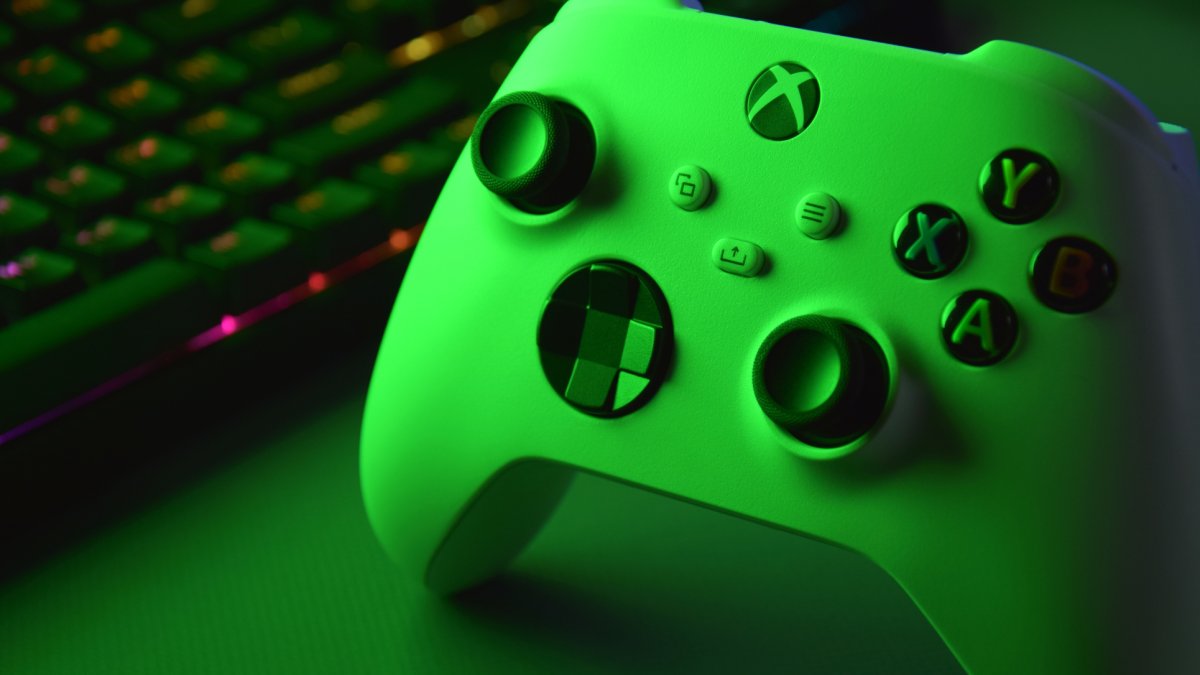
Microsoft has announced new details about its next Xbox console, currently known as Project Helix. The game console must not only support traditional Xbox games, but also be able to run PC games. With this, Microsoft is taking a strikingly new direction: the company wants to combine the advantages of a console with the freedom of a gaming PC.
To mark Xbox's 25th anniversary, Microsoft has published a special anniversary magazine. In it, Jason Ronald, who is responsible for the development of the next-generation Xbox, shares more about the plans for Project Helix.
According to Ronald, the new Xbox is explicitly intended to be a gaming console that can also run PC games. Microsoft therefore does not want to build an ordinary Windows computer, but rather a device that combines the ease of use of a console with the capabilities of PC gaming.
This means that players should be able to start their games immediately, without first having to adjust complicated settings or install drivers. At the same time, experienced users are given the opportunity to exercise more control over performance themselves.
With this, Microsoft is attempting to eliminate a key difference between consoles and PCs. Consoles are generally easier to use, but offer less freedom. On a PC, gamers have more choice in games, settings, and digital stores, but sometimes they have to troubleshoot settings or compatibility issues themselves.
Microsoft also wants Project Helix to support games and saved progress from four previous generations of Xbox. This should allow players to continue using their existing game collection as much as possible.
Another important component of Project Helix is artificial intelligence (AI). Microsoft wants to use this technology to make games look better and run more smoothly, without the need for increasingly powerful hardware.
This can be done, for example, by using AI to convert images to a higher resolution. A game then does not have to calculate every pixel at the highest resolution, while the end result still looks sharp.
These kinds of techniques are already being used in modern graphics cards. For the next Xbox, Microsoft wants to give AI a greater role in improving image quality and performance.
This is particularly interesting because the development of new gaming consoles is becoming increasingly expensive. Memory chips and other key components cost more, while at the same time gamers expect higher performance.
By making smarter use of the available hardware, Microsoft hopes to better combine these two challenges.
Perhaps the most interesting question is how much freedom players will actually have in the future. If Project Helix can run PC games, it also opens up the possibility of making games from other digital stores available.
Think, for example, of Steam, Valve's popular PC store, or the Epic Games Store. On traditional Xbox consoles, players are mainly dependent on Microsoft's digital store.
With the ROG Xbox Ally, a portable gaming console developed in collaboration with ASUS, the company has already gained experience with a device that brings together PC games from various stores.
However, this does not automatically mean that Steam and Epic Games will also be available on Project Helix. Microsoft has not yet confirmed which third-party stores the new console will support.
If that option were to become available, it would represent a significant change. Gamers would then potentially have access to a much larger game library without needing a separate gaming PC.
Microsoft has not yet announced an official release date or retail price for Project Helix. What is clear, however, is that developers are expected to receive the first test devices in 2027.
This means that the new Xbox will not be available in stores for the time being. Before the console is released, developers must also be given time to adapt their games to the new hardware.
In the meantime, the most significant change already seems clear. With Project Helix, Microsoft aims to reduce the traditional divide between Xbox and PC gaming.
Whether this will actually succeed depends mainly on the implementation. The new gaming console must remain simple enough for traditional console users, while at the same time offering enough freedom to appeal to PC gamers as well.
In particular, support for third-party game stores could be decisive in this regard. If Microsoft takes that step, Project Helix could represent one of the biggest changes in Xbox history.