
Major Brazilian bank embraces Bitcoin and 14 other crypto coins
Crypto in Brazil is subject to new rules and major bank Itaú is the first to report. A hard deadline is approaching for crypto companies.
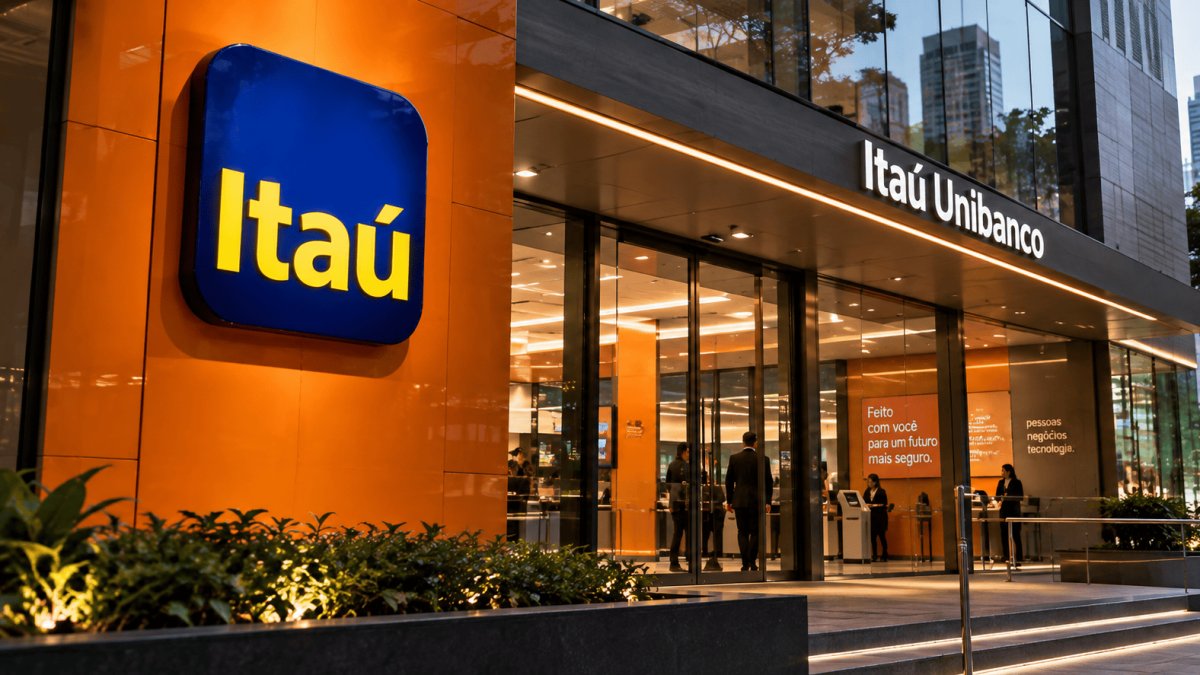
One of the largest banks in Latin America officially registered its crypto services with the Brazilian central bank yesterday, becoming the first bank in the country.
There was a stick behind the door, because crypto in Brazil has been subject to strict new rules since this year. Those who miss this week's deadline will have to scrap their crypto offerings.
Itaú Unibanco, Brazil's largest private bank, filed its report with the Brazilian central bank on Tuesday. In doing so, he officially records the trading and custody of crypto, reports the Brazilian business newspaper Valor Econômico.
The bank offers 15 crypto coins, including Bitcoin (BTC), Ethereum (ETH) and USD Coin (USDC). Itaú stores the coins of customers themselves and therefore falls into the crypto broker category.
Itaú does not disclose customer numbers and trading volumes, while the offer has been running for almost three years. The bank started crypto trading in December 2023 via its investment app íon and opened it to all private customers at the end of 2025.
The basis was there even earlier. In 2022, Itaú already announced plans to store crypto for customers, as part of a tokenization platform.
The new rulebook, Resolution 520, took effect on 2 February. Parties that already offered crypto were given 270 days to come forward. Whoever counts that comes out on Friday 30 October: the day after tomorrow.
Banks with an existing license have it easy. They only have to make a report, although this must include an independent technical inspection. Pure crypto companies must apply for a full license, as the Brazilian crypto exchange Mercado Bitcoin does now.
If you miss the deadline, you get 30 days to stop. In addition, from 6 November, banks will no longer be allowed to do business with crypto parties without a license.
For customers, the profit is mainly in the custody. A licensed party must keep their coins separate from their own money and meet minimum capital requirements. The same anti-money laundering rules apply as for stockbrokers.
That sounds like a victory for the consumer, but the threshold to participate is rising sharply. In July, the central bank excluded small banks from Segment 5, the category with lighter rules for smaller institutions, from crypto services. Even stricter safety requirements will follow from 2027.
A separate rule, Resolution 521, brings crypto transactions under the exchange rate regime. Transfers with unlicensed parties may therefore amount to a maximum of $100,000, which puts foreign platforms at a distance.