
Ledger implant tests Bitcoin ETFs as safer custodial solutions than hardware wallets
The discovery of an unauthorized Ledger hardware implant reignited debate on whether Bitcoin ETFs are safer than self-custodying Bitcoin via hardware wallet devices.
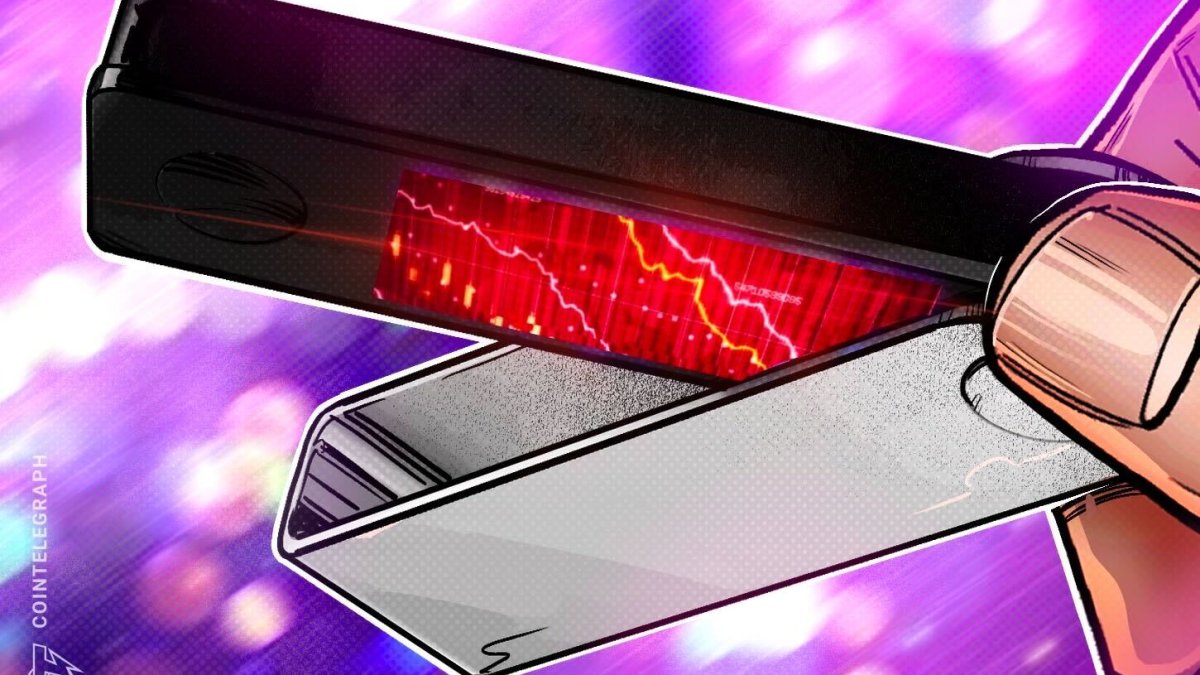
The newly discovered Ledger exploit has stirred broad industry debate over the safety of hardware wallets compared to effectively custodying Bitcoin holdings through exchange-traded funds (ETFs).
Bitcoin analyst Plan B said his then-controversial decision to move his Bitcoin (BTC) holdings to ETFs in 2025 was the right call in light of the recent Coldcard and Ledger exploits. “Zero regrets” about my ETF decision, wrote the analyst in a Monday X post.
Large holders have been converting self-custodied assets to ETFs for “enhanced security” for years, which is one of the main “selling points” for ETFs, 21Shares co-founder Ophelia Snyder told Cointelegraph in an email on Monday, adding that the recent exploits made this phenomenon part of the “public discourse.”
The remarks follow the discovery of a compromised Ledger wallet that contained an unauthorized hardware implant. Some blockchain investigators estimated that losses from these implants could top $86 million, raising questions about the security of self-custodial cold wallets.