
Journalist puts new Nvidia CEO on the spot with an extremely uncomfortable question
Nvidia presented strong figures. But the biggest fear lies elsewhere. This journalist dared to ask that question. And this was the answer.
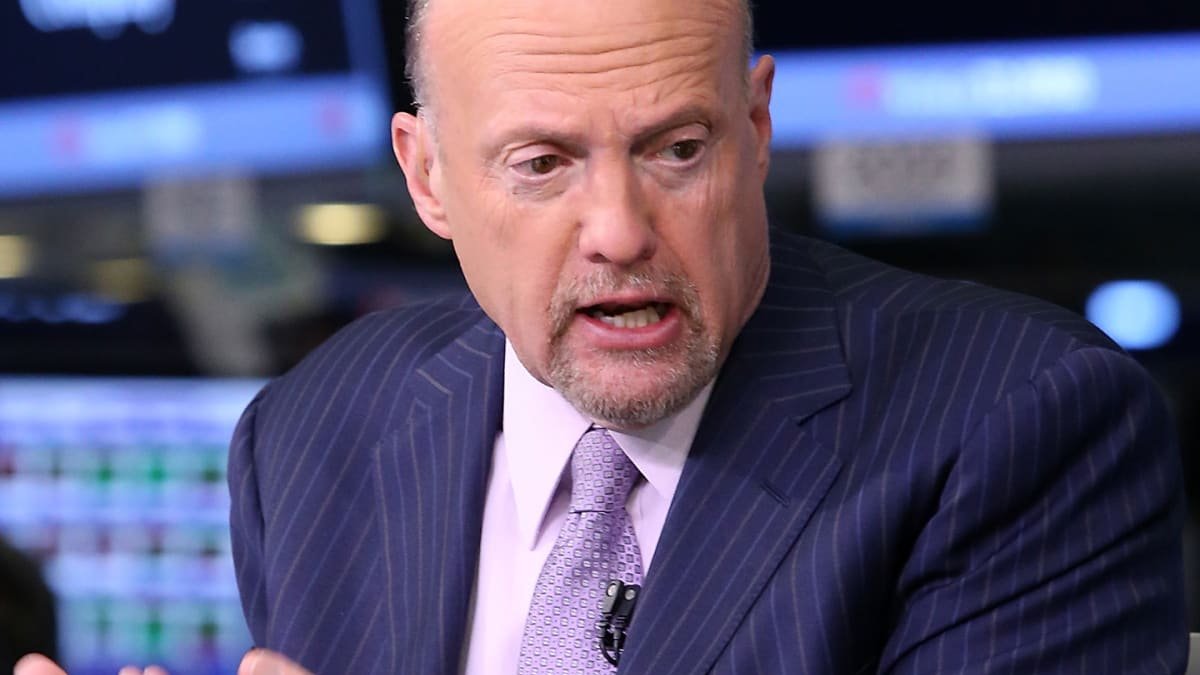
Nvidia once again presented spectacular quarterly results, but CNBC host Jim Cramer was particularly keen to get an answer from interim CEO Colette Kress to a much more uncomfortable question.
Are Nvidia's major customers still strong enough to continue financing the massive AI investment cycle? This month, Nvidia's stock lost about 24 percent and recorded six consecutive weeks of losses.
Cramer specifically asked Kress about the hyperscalers, the large cloud companies that spend billions on Nvidia chips. At the same time, companies are increasingly developing their own chips, and AMD is trying to gain ground.
There is another risk on top of that. Nvidia also sells huge quantities of chips to smaller so-called neoclouds. These are specialized providers of AI computing power, some of which are much more financially vulnerable than Microsoft, Amazon or Alphabet.
Cramer therefore asked whether Nvidia is becoming increasingly dependent on riskier customers. Kress firmly rejected this. According to her, hyperscalers are actually trying to secure as much of Nvidia's available computing power as possible, and the customer base remains broad.
For the time being, the figures seem to support her narrative. Nvidia reported quarterly revenue of $115.84 billion, while analysts had expected around $109.1 billion.
Adjusted earnings came in at $2.68 per share, compared to an expectation of $2.48. For the current quarter, Nvidia is even expecting revenue of around $130 billion, representing growth of approximately 90 percent.
In addition, the company raised its expected revenue growth for the fiscal year ending in January 2028 from 70 to 75 percent.
Nevertheless, there are significant uncertainties. For example, this forecast does not take into account revenue from data center chips in China. Furthermore, new U.S. restrictions make it more difficult for Chinese companies to rent Nvidia computing power.
In addition, Nvidia is still looking for a permanent successor to Jensen Huang. The board has indicated that it has no intention of bringing Huang back.
For now, the figures show that demand for Nvidia chips remains extremely strong. But Cramer's question strikes at the very fear that currently looms over the market. Because who will continue to finance all those hundreds of billions in AI investments when capital becomes more expensive and scarcer?