
Iran wants to open Hormuz in a week, but makes seven demands
Iran is sticking to its seven-day plan for the Strait of Hormuz. But it is precisely these demands that affect Washington's means of pressure.
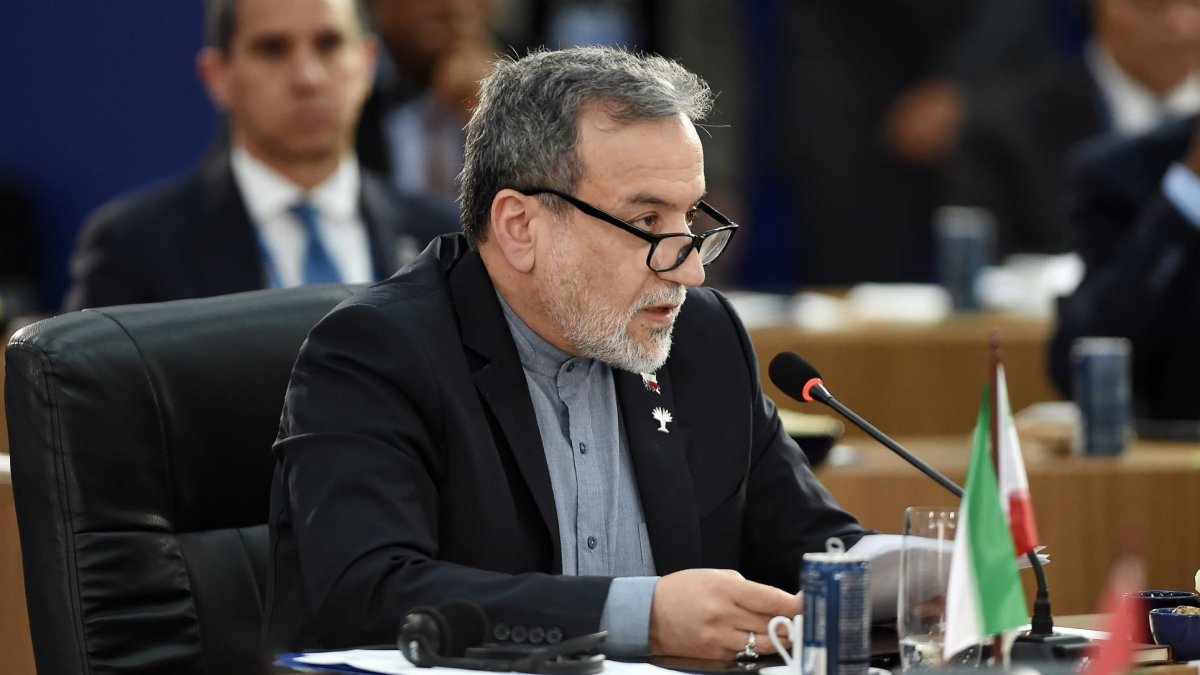
Iran wants to reopen the Strait of Hormuz within a week, but only if the United States concedes first. Tehran announced this again yesterday, while the consultations have been quiet for weeks. And on the water, sailors pay the price for that impasse.
Iranian Foreign Minister Abbas Araghchi said Sunday in Baghdad that Tehran's proposal is still on the table. Iran sent it to Washington in mid-September, after a temporary ceasefire collapsed.
“Our position is clear and based on the seven-day proposal submitted to the United States,” Araghchi said. According to him, the route to an open strait is free, if Washington is at least honest (and it is not in his eyes).
Iran demands, among other things, that the US lift its blockade of Iranian ports, lift sanctions on Iranian oil and cease fighting in the region. If Washington agrees, Iran opens the Strait of Hormuz within six days and talks resume a day later.
That sounds like a quick way out, but appearances deceive. The blockade and the sanctions are precisely the means of pressure that Washington now has in its hands.
The consultation is stalled in the order. The US immediately wants to talk about the Iranian nuclear program, while Tehran wants to use the first phase for the reopening of the strait.
US Vice President JD Vance said earlier this month that Iran must implement a “tangible” reduction in its enrichment capacity. Enrichment makes uranium more pure: this is necessary for nuclear fuel, but also for an atomic bomb at high purity.
It seems like a fight over the agenda, but it's all about power. Before the war, about a fifth of all oil and liquefied natural gas (LNG) traded worldwide through the Strait of Hormuz.
This makes the strait the largest means of pressure that Iran has. Washington does not want to give away that leverage until there are also agreements on uranium.
Meanwhile, it's getting more dangerous on the water. According to the Financial Times, 24 ships were attacked in about two weeks. That's an average of almost two per day.
“There has been a double blockade and too many ships have been attacked, especially in recent days,” Arsenio Dominguez, secretary-general of the International Maritime Organization (IMO), told Fox News.
According to him, some 6,000 sailors have been trapped since the war began on 28 February. Until 9 October, the IMO counted 100 confirmed incidents in the region and 24 seafarers killed.
Iran also accuses the US Navy of harassment via VHF channel 16, the international radio channel for emergency calls at sea. Tehran provided no evidence for this. The US Central Command (CENTCOM) says that the blockade is communicated professionally.
For the time being, Dominguez's advice remains: do not sail through the strait as long as there are no guarantees.
Because there is less oil on the market, the oil price has risen sharply. Brent oil, the European indicator of crude oil, has long been above $100 per barrel. While the price before the war was still around 70 dollars.
The main reason is a real shortage: there are far fewer tankers coming through the strait, while the demand for oil continues.
In addition, there is a risk premium. That is an additional amount that traders pay out of fear that it will get worse, for example due to new attacks on tankers. That premium can disappear quickly with hopeful news, but the shortage will only resolve when the ships start sailing again.
An expensive barrel does not stick to the pump. Transport, plastic and fertiliser are also becoming more expensive, and companies charge these higher costs in their prices. This requires a stricter policy on the part of central banks, and investors are not waiting for that.