
Fed governor "very concerned" about inflation: calls for rare intervention
Fed Governor Waller sees inflation spiraling out of control and wants an aggressive interest rate hike that is almost never implemented. Read more.
The financial markets are under pressure, partly due to expectations of a more hawkish U.S. Federal Reserve. Figures on the labor market, inflation and the overall economy have contributed to this, as have statements from various Fed officials. One of them now even wants to raise interest rates by taking a step that the Fed almost never takes.
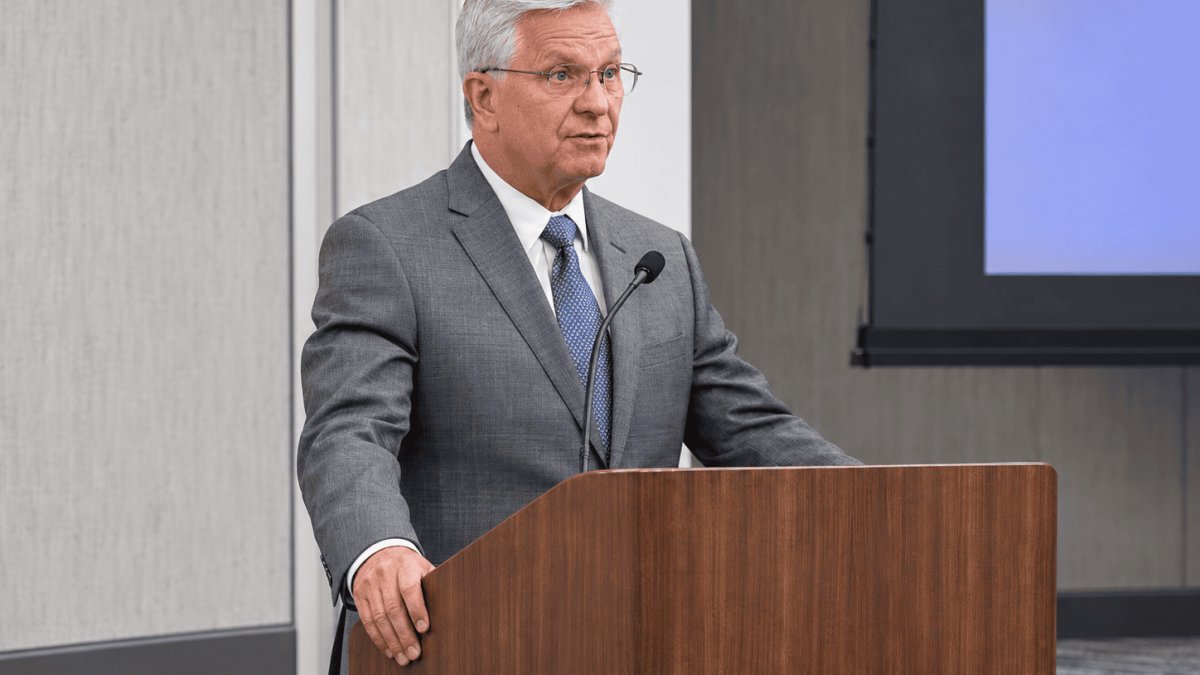
Fed Governor Christopher Waller said live on business channel CNBC on Wednesday that the Fed needs to be more aggressive in bringing down inflation. “I am very, very concerned about inflation. It's kind of going in the wrong direction and it's spreading,” he said.
According to Waller, the Fed may need to “shock” American households and businesses so that they no longer see 3% inflation as normal. The central bank's target is 2 percent, but U.S. inflation last reached that level in early 2021. The new Chair, Kevin Warsh, has already promised several times to bring inflation back to that target.
In September, interest rates were raised for the first time in over three years, as high oil prices increasingly impact the broader economy. At the previous interest rate meeting, interest rates remained unchanged, but now more and more policymakers are saying that further action is needed.
Waller wants to raise interest rates by 0.50 percentage points next month, at the last meeting of the year. Last week, he already mentioned the threshold for such a significant move: a monthly increase in core prices of around 0.3 percent.
That increase also materialized, and thanks to the strong jobs report and other positive economic indicators, the Fed now has room to further tighten interest rates.
That is why more and more executives have been using strong language recently.
Austan Goolsbee, President of the Chicago Fed, described October's inflation figures as “on the verge of being worrisome.” Alberto Musalem of the St. Louis Fed Louis anticipates four rate hikes by spring, and Lorie Logan of the Dallas Fed expects at least two more.
Nevertheless, they too are sticking to quarter-point increments for the time being. Beth Hammack, President of the Federal Reserve Bank of Cleveland, does not rule out larger steps if inflation continues to rise, but prefers a steady pace.
“My preference has always been to move in slow, steady steps, consistently, at successive meetings, to ensure that we get that tightening back into the economy,” she said.
An interest rate hike of half a percentage point is rare. Since the Fed began publicly announcing its interest rate decisions in 1994, it has only raised interest rates by such a large increment six times.
The first three times were under Chairman Alan Greenspan, in May and August 1994 and in February 1995. Greenspan wanted to get ahead of inflation and nearly doubled interest rates to 6 percent within a year.
The fourth hike followed in May 2000, when the dot-com boom overheated the U.S. economy. As a result, interest rates rose to 6.5 percent, the highest level in nine years.
After that, there was no action for over twenty years. It was not until 2022, with the highest inflation in forty years, that the Fed took such drastic action again, in May and December.
With an additional half percentage point, the interest rate will rise from 3.75 to 4 percent to 4.25 to 4.5 percent. This would return it to the level it was at before the three cuts in 2025. According to Waller, even that may not be enough, because inflation did not fall even with that interest rate.
An interest rate hike next month seems almost certain, and only 5 percent of the futures market believes that Waller will be able to get his way.
If it does happen, short-term and variable-rate loans will suddenly become more expensive. This affects companies with a lot of debt at variable interest rates, such as part of the AI sector, and the U.S. government, which borrows a lot on a short-term basis and already pays more in interest than it does on defense.
Long-term interest rates depend on how credible the market finds the move. If it is seen as evidence that the Fed is taking inflation seriously, inflation expectations could fall. However, in both 1994 and 2022, the opposite happened because the market was startled by the intervention. That would put additional pressure on the wave of AI investments, with tech giants pouring billions into data centers and chips.