
Drift hack recovery opened near one cent per dollar lost
Drift's October 1 launch quote valued DFX near one cent per USDT lost, while redemption ends future pool participation for the tokens burned. The post Drift hack recovery opened near one cent per dollar lost appeared first on CryptoSlate.
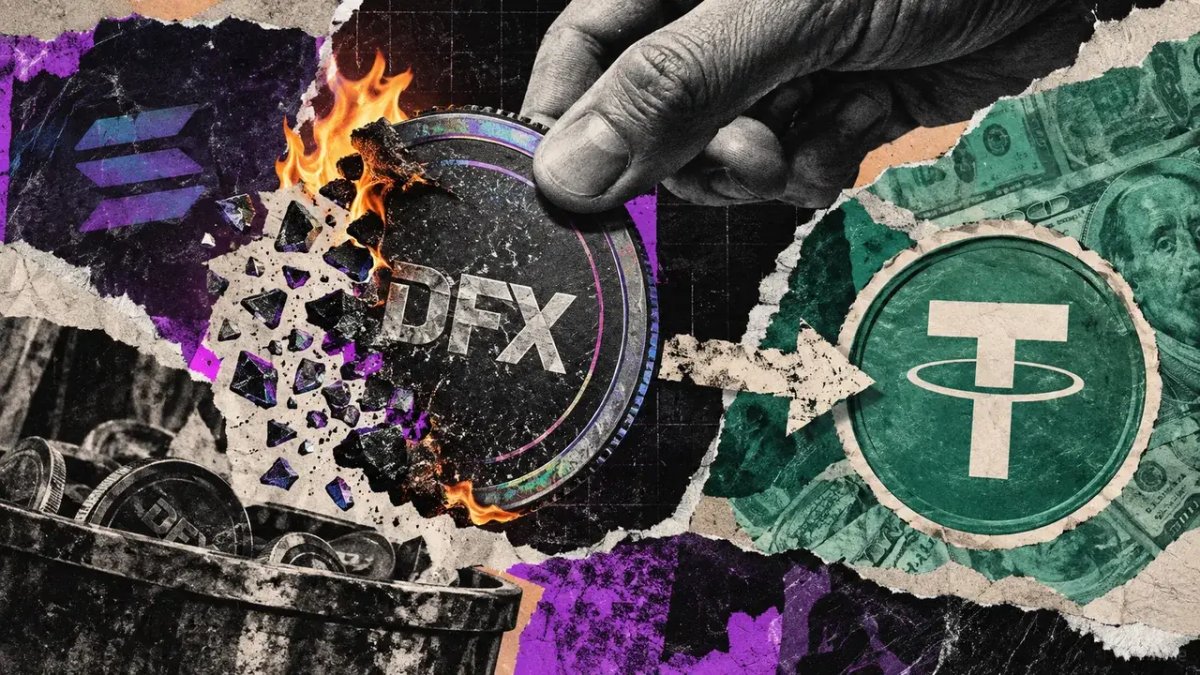
Drift Protocol opened claims and redemptions for its DFX recovery token on Oct. 1, giving victims of its April exploit a way to receive the USDT stablecoin from the Recovery Pool. The exit has a permanent tradeoff: redeemed tokens are burned and no longer share in future deposits.
In its launch announcement, Drift described a payout of about 0.0104 USDT per DFX from a pool holding roughly 3.1 million USDT. Because victims receive one DFX for each USDT of verified loss, that launch rate represented about 1.04% of the corresponding loss. Those are Oct. 1 figures; a redemption pays the rate quoted when the transaction is made.
DFX is a transferable token on Solana, separate from the DRIFT governance token. Drift sets its fixed allocation at 299,500,810.998 DFX, corresponding to nearly 299.5 million USDT of verified losses. Outstanding supply falls as tokens are burned.
Related ReadingThe USDT payment and DFX burn happen in one transaction: either both succeed or neither does. Drift says completed redemptions are final. If a holder redeems only part of their DFX, the tokens they keep continue participating in the pool.
Future deposits are divided among the DFX that remain. Cashing out therefore locks in the quoted recovery amount for the tokens burned, while giving up their share of later revenue or recovered funds.
Selling DFX on a secondary market such as Raydium is a different transaction. It transfers the tokens to another holder rather than redeeming them against the pool. Holding preserves participation in future deposits, whose size and timing remain uncertain.
The recovery dashboard defines the redemption price as the pool balance divided by outstanding DFX. Under Drift's stated design, redemption removes cash and burns tokens in the same proportion, leaving that ratio unchanged. New deposits raise the amount redeemable per remaining token.