
Crypto spent $55 million defending a senator who already backed CLARITY
Defend American Jobs, a crypto-backed political group, spent more than $55 million supporting Republican Jon Husted and opposing Sherrod Brown in Ohio between Sept. 21 and Oct. 26, according to Americans for Financial Reform. Husted had already voted to advance the CLARITY Act. Americans vote today, Nov. 3, in midterm elections that will determine control… Read the full story on CryptoSlateUnderstand the crypto stories that matter and what to watch next. Get The Catalyst in your inbox
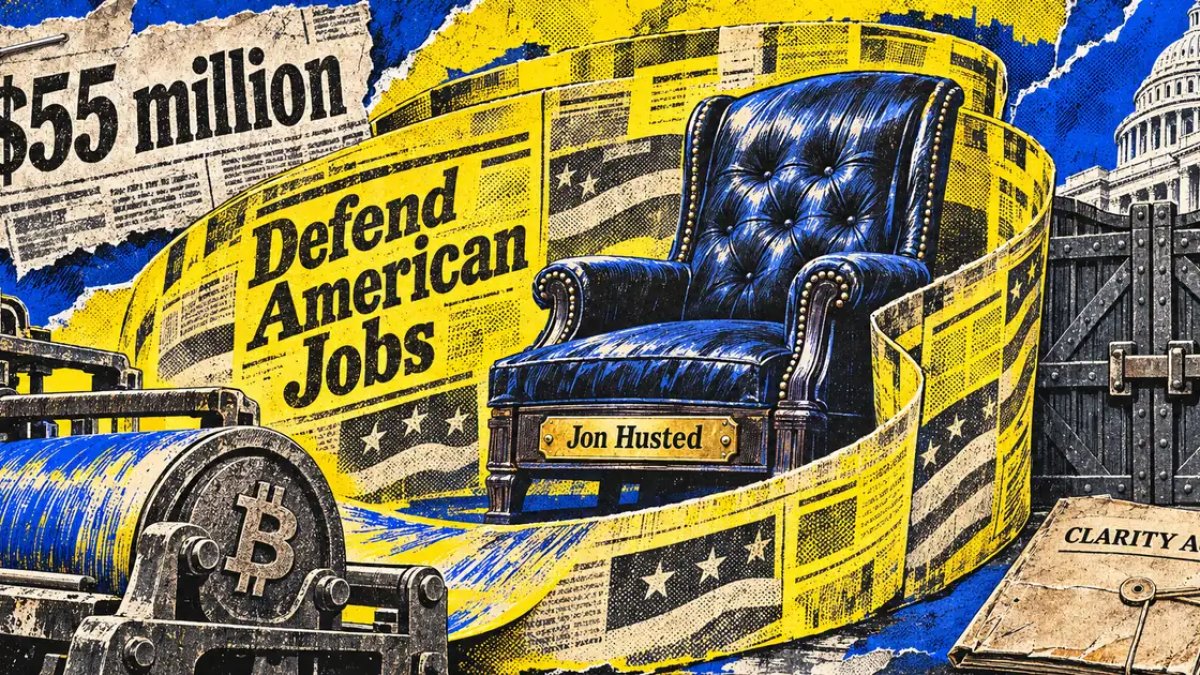
Defend American Jobs, a crypto-backed political group, spent more than $55 million supporting Republican Jon Husted and opposing Sherrod Brown in Ohio between Sept. 21 and Oct. 26, according to Americans for Financial Reform. Husted had already voted to advance the CLARITY Act.
Americans vote today, Nov. 3, in midterm elections that will determine control of Congress for the next two years. Republicans currently control both chambers.
Congress has to agree on crypto legislation, which means winning over enough lawmakers in both parties to get it passed.
The midterms will shape committee leadership, hearings and the path to a vote. Presidents appoint regulators and set enforcement priorities, but a later administration can change those policies.
Crypto-backed groups have poured money into congressional races, often backing candidates based on their crypto positions rather than their party.
Fairshake and its affiliated groups have become some of the biggest spenders in American politics, with a Reuters analysis estimating that crypto groups had spent roughly $176 million across more than 100 races by late October.
Ohio has become a major focus of that strategy.
Husted already voted in September to advance the CLARITY Act, a major proposal intended to establish clearer federal rules for crypto. The bill failed to clear a 60-vote Senate hurdle, leaving its supporters short of the backing needed to move forward. Brown, meanwhile, wasn't even in the Senate when that happened, having lost his previous seat in 2024 before launching a comeback campaign against Husted for Ohio's other Senate seat.
Keeping Husted in Washington would protect a vote the industry already has, while defeating Brown would prevent a prominent crypto critic from returning to Congress. Both outcomes would be politically valuable, especially with Senate control potentially at stake, but neither will resolve the disagreements that stopped the legislation in September.
That's because lawmakers are still fighting over stablecoin rewards, banking risks and the protections customers should receive when crypto companies handle their money, and the industry's expensive election campaign can't settle those disputes on its own.
Republicans currently hold 53 seats, so even a united Republican caucus would need support from outside the party to reach the 60-vote threshold used in September.
Susan Collins, Josh Hawley, and Jerry Moran all voted against moving ahead. Thom Tillis recorded a no as well, but did so to preserve the option of asking the Senate to reconsider, a procedural step that would allow another attempt rather than an expression of opposition to the bill itself.
Collins wanted further study of whether community banks and credit unions could lose deposits used to support “loans for mortgages, small businesses, and other family needs.” The dispute centers partly on stablecoin rewards. Crypto platforms offer rewards to customers who keep stablecoins in an account, giving those customers another reason to leave their money there, so banks see those offers as competition for money that might otherwise sit in a deposit account. Banking groups argue that losing those deposits could make it harder to fund lending, and they have pushed lawmakers to restrict rewards that work like interest.