
Crypto scammers used SEC’s website to lure investors into alleged $130 million fraud
The SEC’s complaint seeks a targeted future filing bar, alongside monetary relief for alleged fraud. Read the full story on CryptoSlateUnderstand the crypto stories that matter and what to watch next. Get The Catalyst in your inbox
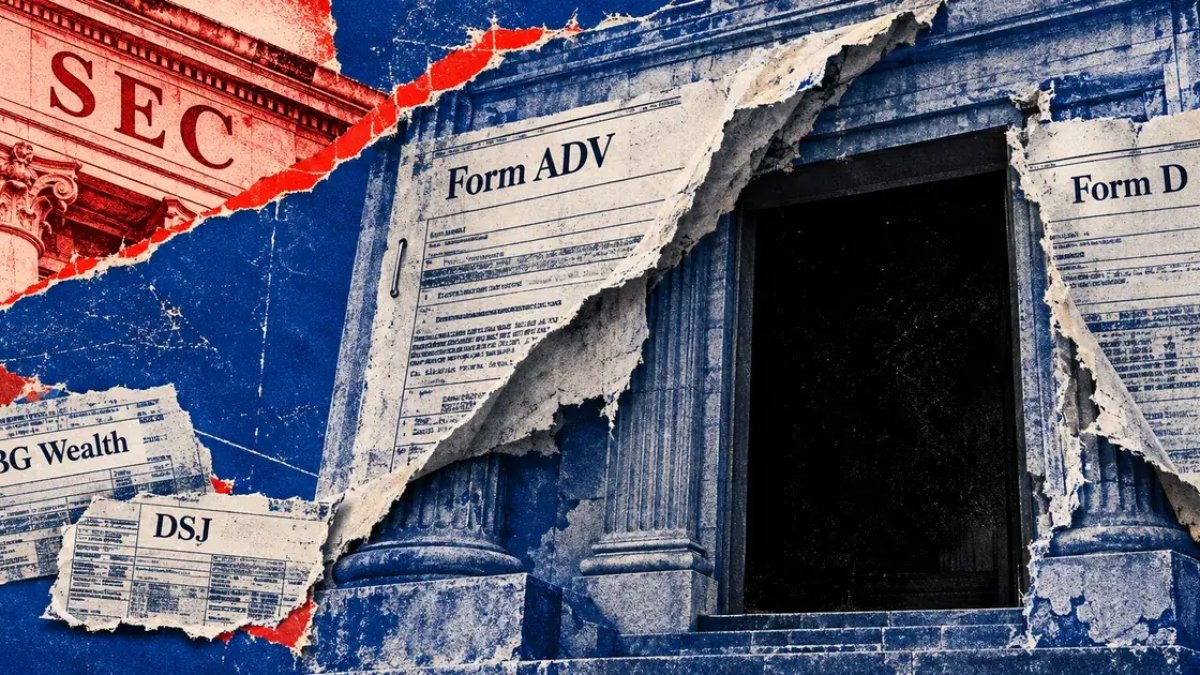
The US Securities and Exchange Commission (SEC) has removed regulatory filings allegedly used to legitimize a $130 million crypto investment fraud.
In an Oct. 29 announcement, the regulator said BG Wealth Sharing and DSJ Exchange submitted false disclosures to its public databases and subsequently presented those records to prospective investors as evidence of government authorization.
The scheme allegedly raised more than $130 million from tens of thousands of investors across the United States and abroad, resulting in losses exceeding $100 million.
According to the SEC, the companies operated between at least October 2025 and June 2026, promoting a cryptocurrency investment program that promised monthly returns of at least 60% and claimed investors could double their money within 40 days without risk.
BG Wealth portrayed itself as the world's largest hedge fund and an SEC-licensed investment adviser, while DSJ Exchange claimed to run a secure cryptocurrency trading platform that executed profitable trades.
However, investigators alleged that the promised trading activity was fictitious and the companies diverted most investor deposits rather than investing them as advertised.
The alleged fraud relied heavily on the credibility of the SEC's public disclosure infrastructure, which allows investors to research financial businesses and securities offerings.
According to the SEC's civil complaint, BG Wealth submitted a Form ADV claiming exempt reporting adviser status, while DSJ Exchange filed a Form D announcing a purported $100 million securities offering.
The filings became publicly accessible through the SEC's Investment Adviser Public Disclosure system and EDGAR database, allowing the promoters to direct prospective investors to government-hosted records as supposed proof of legitimacy.
The companies allegedly reinforced those claims with fabricated registration certificates bearing the SEC's official seal and identifiers associated with their filings.