
Crypto rallies point to slower USDC growth and faster USDT growth, study finds
Coin Metrics finds opposite relationships with prior non-stablecoin crypto returns, complicating the case that combined issuance measures fresh Bitcoin demand. Read the full story on CryptoSlateUnderstand the crypto stories that matter and what to watch next. Get The Catalyst in your inbox
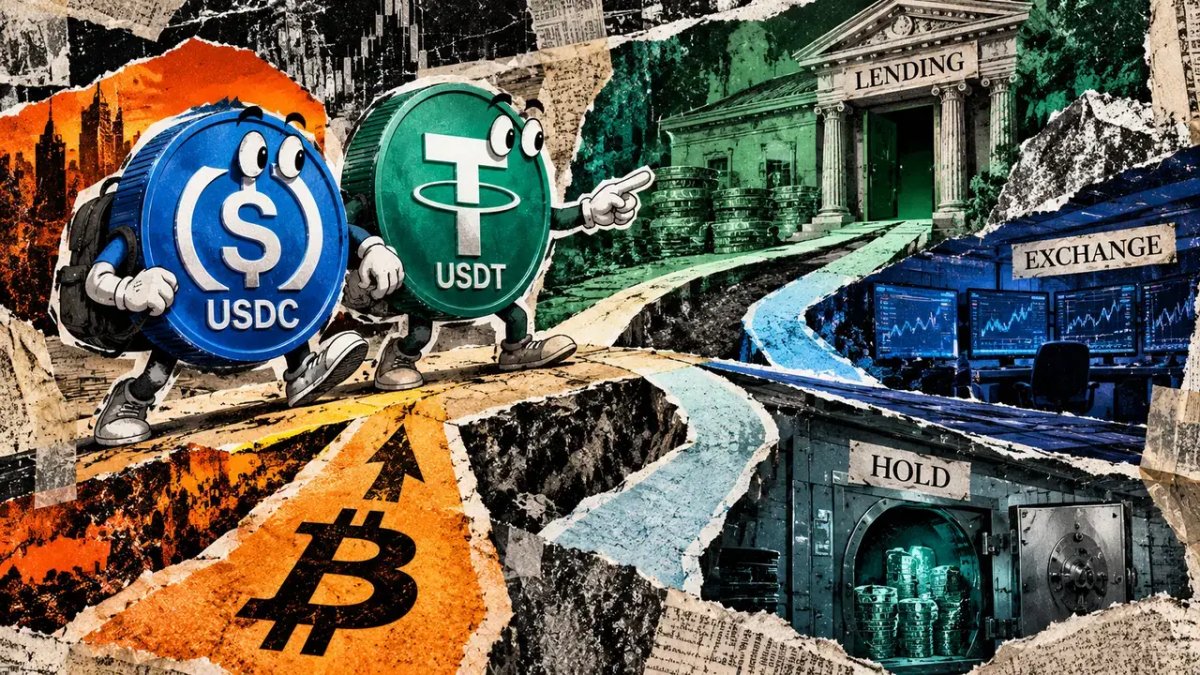
USDC and USDT supply can grow to meet different kinds of demand for dollar stablecoins, according to Coin Metrics research published Oct. 20. For Bitcoin investors, that complicates treating their combined issuance as a single pool of cash waiting to buy BTC.
The study associates stronger non-stablecoin crypto-market returns with slower USDC growth the following week and faster USDT growth. It also finds a lending-yield association specific to USDC. Those differences matter because a new dollar token can serve a borrower, a lender or someone staying in dollars before it ever reaches a Bitcoin trade.
Aggregate stablecoin supply measures tokens outstanding. The new findings give Bitcoin investors a reason to examine what those balances are doing before interpreting issuance as fresh spot-buying demand.
The opposing return relationships show why issuer composition matters. Coin Metrics’ study uses weekly observations over four years, testing six drivers from the previous week against subsequent supply growth. Higher perpetual-futures funding rates associate with faster growth for both issuers, accounting for about 10% of USDC’s weekly supply-growth variation and 4% of USDT’s after controls.
A separate analysis starting in 2023 uses the gap between lending protocol Aave v3’s annual percentage yield, or APY, and a three-month Treasury yield. This carry spread adds significant explanatory information for USDC, but no meaningful increment for USDT or combined supply beyond funding.
The lagged issuer models account for about 13% of USDC’s weekly ups and downs in supply growth and 16% of USDT’s. None of the study’s models accounts for more than 25%, leaving most movement unexplained. Those historical associations do not establish causation or test future Bitcoin returns.
Related ReadingA positive relationship for one issuer and a negative one for another can coexist inside the same total.
Collateral demand is especially relevant to the inference. A trader needing dollar-denominated collateral and an investor choosing to hold dollar balances can both contribute to demand for stablecoins. The same aggregate reading can therefore sit alongside different investor intentions.
Circle’s description of USDC minting starts with a customer depositing dollars and receiving newly issued tokens. Redemption takes tokens out of circulation.